Off-label rapamycin market outpaces human longevity evidence
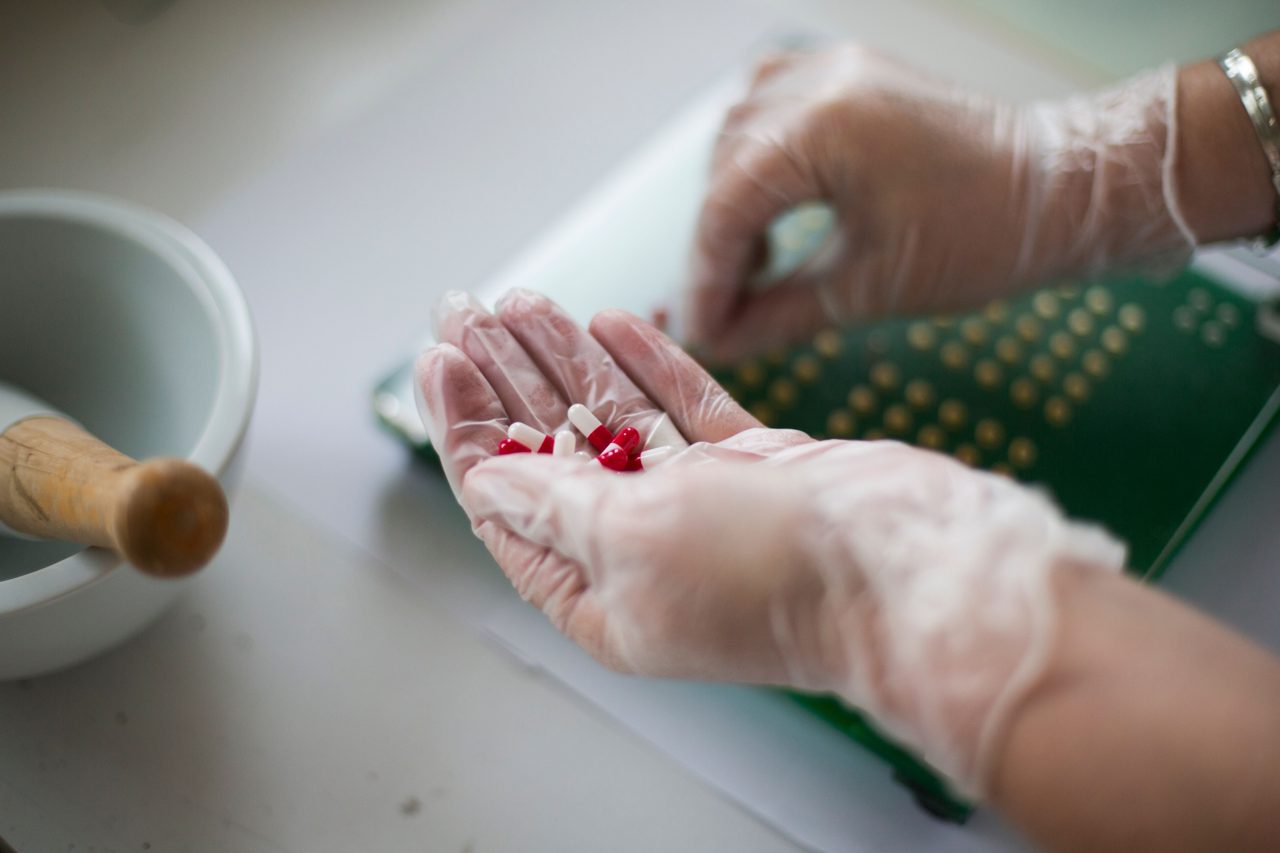
Thousands are taking the transplant drug rapamycin off-label for anti-aging, creating a commercial market that has outpaced clinical proof of human lifespan extension.
Thousands of healthy adults are taking the transplant drug rapamycin off-label to slow aging, driven by robust animal data, but the first major rigorous human trial has failed to prove it extends human life.
The 2025 PEARL trial tested low-dose rapamycin over one year in healthy individuals aged 50 to 85. It concluded the drug is likely safe for healthy adults and showed secondary signals of benefit, particularly in women, but it did not prove healthspan or lifespan extension.
This evidence gap presents a central challenge for the emerging longevity economy. Private longevity medicine practices are already prescribing rapamycin at scale to healthy clients. This means a growing commercial market is operating well ahead of clinical validation.
No human trial has yet used all-cause mortality as a primary endpoint in a healthy aging population. Long-term safety also remains an open question for medical regulators and liability insurers. While PEARL supported the premise that low, intermittent doses avoid the metabolic complications seen in transplant patients taking standard immunosuppressant doses, that data covers only a single year.
A 2024 systematic review in The Lancet Healthy Longevity did find that rapamycin improved physiological parameters across immune, cardiovascular, and skin systems. One biomarker analysis estimated a nearly four-year reduction in phenotypic age. However, the review acknowledged that the data "remains insufficient to affirm or negate the longevity and healthspan extending benefits attributed to rapamycin."
For biotech firms and investors, the most viable commercial path may lie in targeted applications rather than broad anti-aging claims. Columbia University's VIBRANT trial is investigating whether rapamycin can slow ovarian aging in women aged 38 to 45 by reducing monthly follicle depletion. Early 2024 results indicated an approximately 20 percent reduction in the rate of ovarian aging.
As of mid-2026, rapamycin holds the strongest animal evidence of any longevity compound, and larger human trials are underway. Yet the off-label prescribing happening today is backed by animal studies, not proven human results.