T-Rex fossil sells for record $50.1m as private wealth outbids science
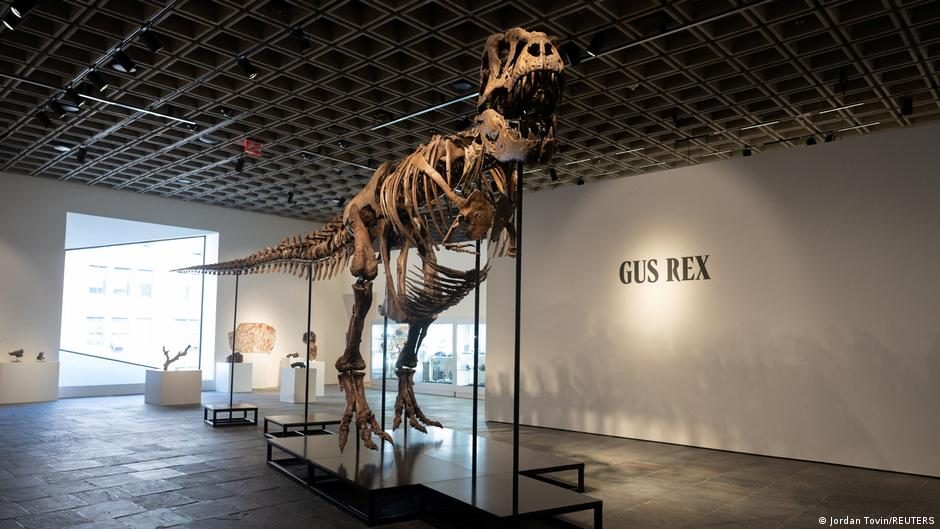
A 67-million-year-old Tyrannosaurus rex skeleton has sold for a record $50.1m in New York, underscoring how soaring alternative asset prices are pushing rare scientific specimens out of public reach.
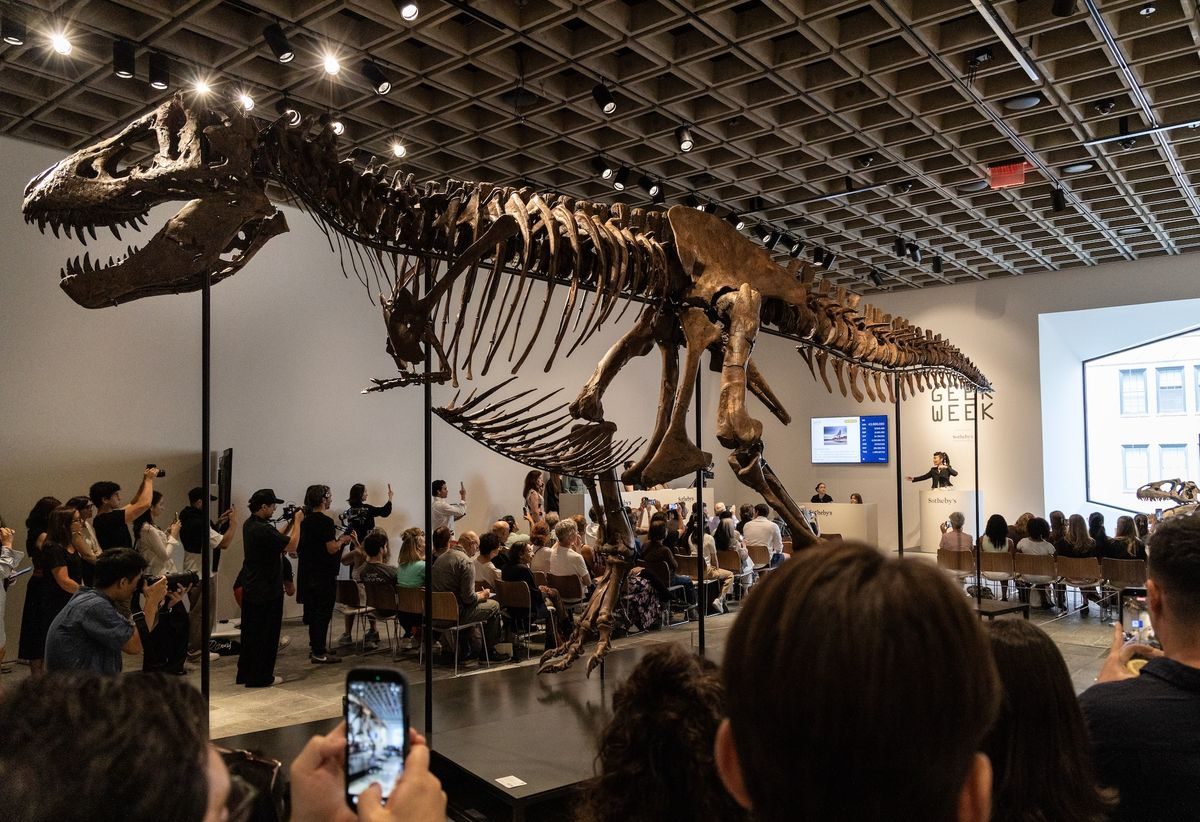
A fossilised Tyrannosaurus rex skeleton sold for a record $50.1m at Sotheby’s New York on 14 July, marking a new high-water mark for dinosaur remains. Nicknamed “Gus”, the 67-million-year-old specimen hammered at $43m after a ten-minute bidding war involving seven callers. It ultimately sold to an anonymous phone bidder, far exceeding the auction house's upper pre-sale estimate of $30m.
The sale surpasses the previous record of $44.6m set just last year, when hedge-fund billionaire Ken Griffin bought a Stegosaurus skeleton dubbed “Apex” at Sotheby’s. Griffin subsequently loaned that specimen to the American Museum of Natural History for four years. The rapid succession of these record-breaking sales points to a booming, highly illiquid market for premium palaeontological material among ultra-wealthy collectors.
For wealth managers, the auction highlights the extreme end of the alternative asset market, where unique tangible items are commanding prices typically associated with major fine art. The swift escalation from a $30m estimate to a $50.1m final price suggests that demand among high-net-worth individuals for one-of-a-kind trophy assets continues to outstrip supply, driving rapid price appreciation in a very short timeframe.
Gus was excavated over three years from a cattle ranch in South Dakota and is named after the ranch's owner. The specimen is 61% complete by bone count and 75% to 80% complete by mass, comprising 183 fossilised bones. Preparation of the 38-ft-long, 12.5-ft-tall skeleton took several years and required 3D-printed segments to replace missing parts. The dinosaur’s fragile skull was displayed separately from its body during a two-week public exhibition at the Sotheby’s Breuer Building.
However, this intense financialisation of natural history carries significant externalities for European and global scientific institutions. Vertebrate palaeontologist Richard Butler recently warned that soaring prices are effectively privatising scientific heritage. “A fossil not in a recognised museum collection cannot be studied and is therefore lost to research,” Butler said. “Fossils have been bought and sold for hundreds of years, but prices are increasingly out of the reach of museums, much to the detriment of science.”
The identity of Gus’s new owner remains unknown, leaving it unclear whether the skeleton will remain accessible to researchers. The specimen bears visible pathologies, including healed fractures and bite marks from other tyrannosaurids, offering a unique physical record of a brutal prehistoric ecosystem that scientists fear may now be lost to private hands.