Third nationwide blackout hits Cuba amid US fuel tariff threats
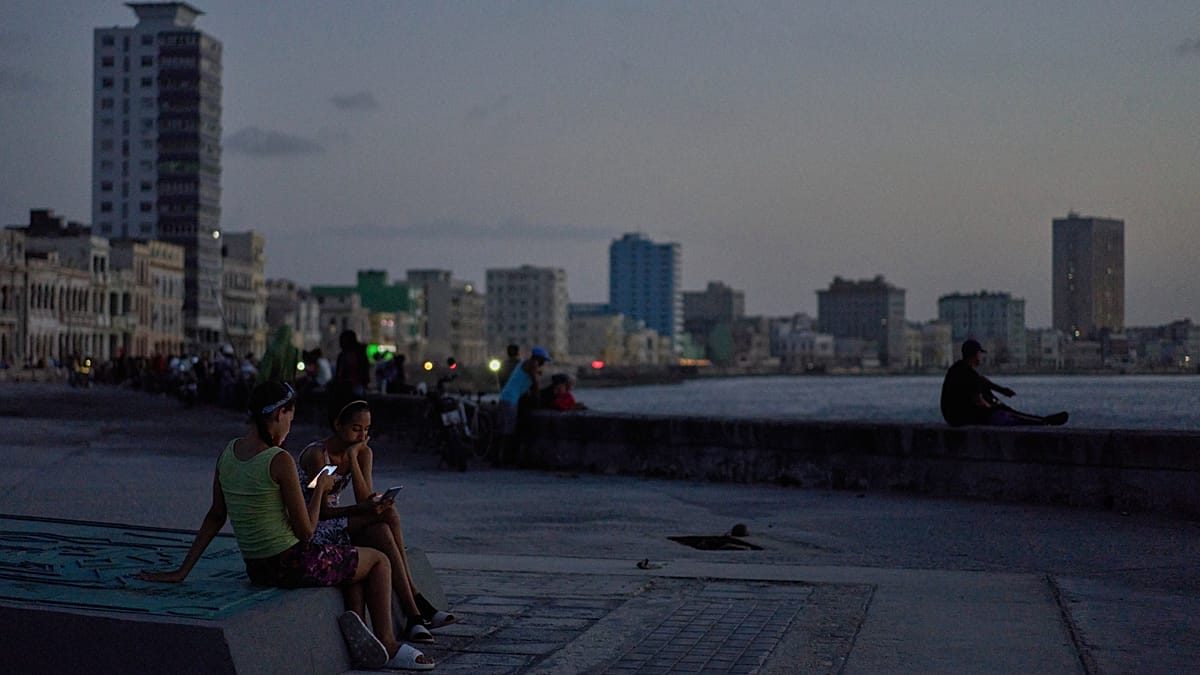
Cuba's national grid collapsed for the third time in two weeks, leaving millions without basic services as US secondary tariffs continue to choke off the island's fuel supply.
Cuba suffered a total collapse of its National Electric System on Tuesday, marking the third nationwide blackout in less than two weeks. The state-owned Electric Union reported that a failure at a generating unit in the eastern province of Holguín caused a "sudden frequency change", triggering a cascading shutdown of the grid around midday.
The repeated infrastructure failures are exposing the profound vulnerability of the Cuban economy to aggressive US trade policy. Since January, Washington has enforced an energy embargo that includes a threat to impose tariffs on any third-country nation that supplies or sells oil to the island. For European governments and multinational corporations, this represents another instance of the United States weaponizing secondary trade restrictions to dictate global supply chains and isolate a geopolitical rival.
Cuba produces only 40% of the fuel it needs to keep its power plants running, leaving it critically dependent on foreign imports. With no immediate solution for securing fuel on the international market, the grid lacks the base generation required to maintain system stability. The current spate of blackouts follows two other nationwide outages last week and additional regional collapses in March.
The economic and humanitarian consequences are compounding rapidly. The ongoing power crisis has forced the suspension of public transportation, reduced work hours, and led to widespread flight cancellations. Basic infrastructure, including water pumping stations, internet networks, and phone services, has failed. Public health has taken a direct hit, with officials confirming the cancellation of tens of thousands of surgeries.
Authorities are attempting to manage the crisis by establishing interconnected "micro-islands" to gradually restore power to essential infrastructure. Both the Ministry of Energy and Mines and the Electric Union stated that these localized grids are prioritizing hospitals and food processing plants. By Tuesday afternoon, limited progress was evident, with 4% of the capital, Havana, receiving electricity. Hospitals in Guantánamo and Cienfuegos also regained power, and the historic centre of Matanzas was reconnected.
The fuel embargo was implemented following the capture of Venezuelan President Nicolás Maduro, effectively cutting off Cuba's historical primary oil supplier. This latest pressure has exacerbated a grueling five-year economic crisis previously driven by existing US sanctions and domestic policy failures, including a botched monetary unification process. Four Democratic members of the US Congress, who travelled to Cuba last weekend, described the resulting conditions as turning the island into a "silent Gaza".