Sánchez apologises to French leaders over Rajoy's xenophobic remark
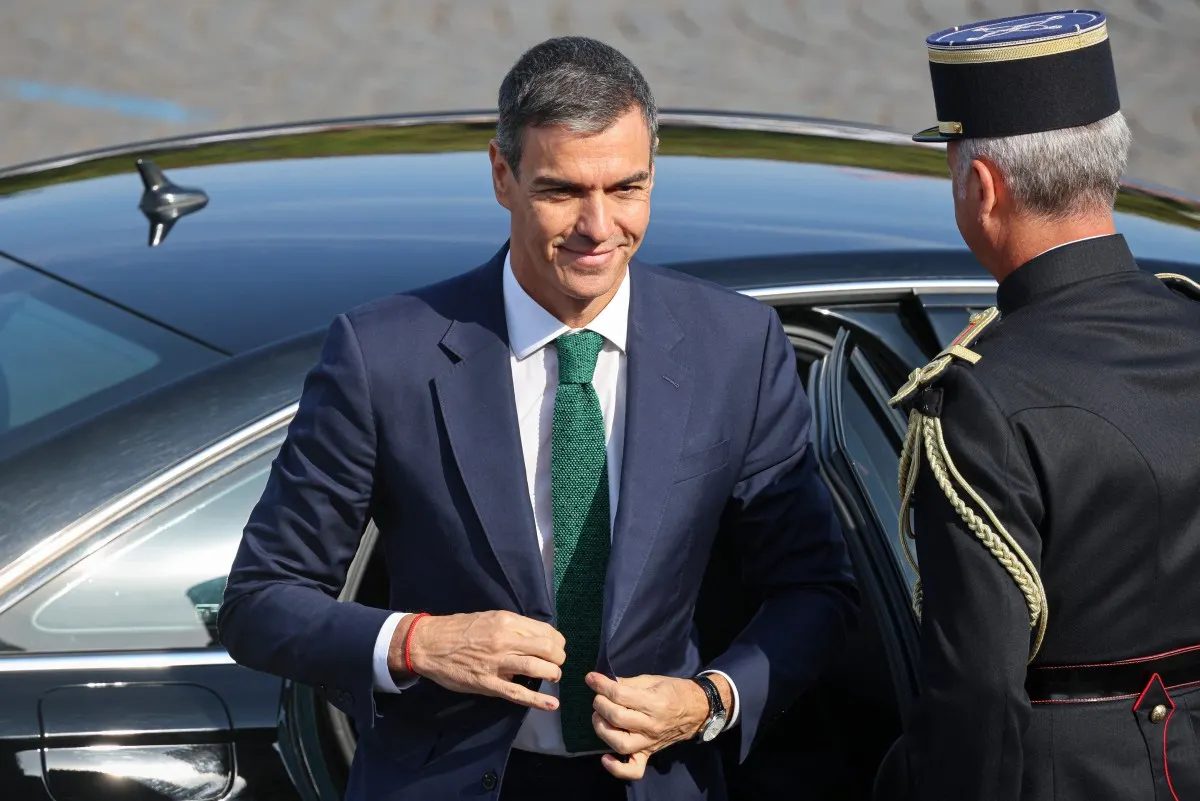
Pedro Sánchez publicly apologised to French officials for Mariano Rajoy's controversial comments about the national team, averting a diplomatic rift just hours before Spain's World Cup semi-final victory over France.
Pedro Sánchez was filmed offering a personal apology to Emmanuel Macron and French Defence Minister Sébastien Lecornu during France's national day parade in Paris on Sunday. Video footage published by Spanish media shows the Spanish prime minister putting his hand on his chest, bowing his head, and stating in English: "I am so embarrassed." Lecornu and Macron responded to the gesture with a conciliatory touch on the arm.
The diplomatic exchange occurred hours before Spain and France were due to face each other in a blockbuster World Cup semi-final in Texas. It followed the publication of an opinion article by Mariano Rajoy, Spain's conservative former prime minister, in which he made a remark about the French team. Spanish media reported that the comment specifically suggested there were "no French players" on the team, an assertion widely understood to be targeting French players with foreign ancestry.
The remarks triggered immediate and fierce outrage in both Spain and France, threatening to cast a shadow over a major diplomatic gathering. Sánchez moved quickly to distance his current Socialist government from the rhetoric of his conservative predecessor. On Sunday, the prime minister joined a growing chorus of condemnation, publicly labelling Rajoy's article "xenophobic".
The French Football Federation also issued a strong rebuke. Philippe Diallo, the federation's president, stated that the former Spanish leader's comments carried an "intolerable undertone of racism". The swift, unified pushback from both sitting governments and sporting bodies underscored how deeply intertwined football, immigration, and national identity remain in European public life.
For European policymakers, the incident is a reminder of the combustible nature of identity politics on the continent. Rajoy's intervention risked derailing a significant diplomatic opportunity. Bastille Day serves as a primary stage for France to project its global standing and entertain key allies. By forcing the Spanish delegation into a position of having to apologise on foreign soil, the former prime minister momentarily shifted the media narrative away from bilateral cooperation and toward domestic culture wars.
While the political friction carried no direct consequences for financial markets or cross-border trade, diplomatic distractions of this nature consume valuable political capital. Spain and France are essential partners in driving the European Union's agenda, and public spats over immigration and national identity complicate the broader project of European cohesion.
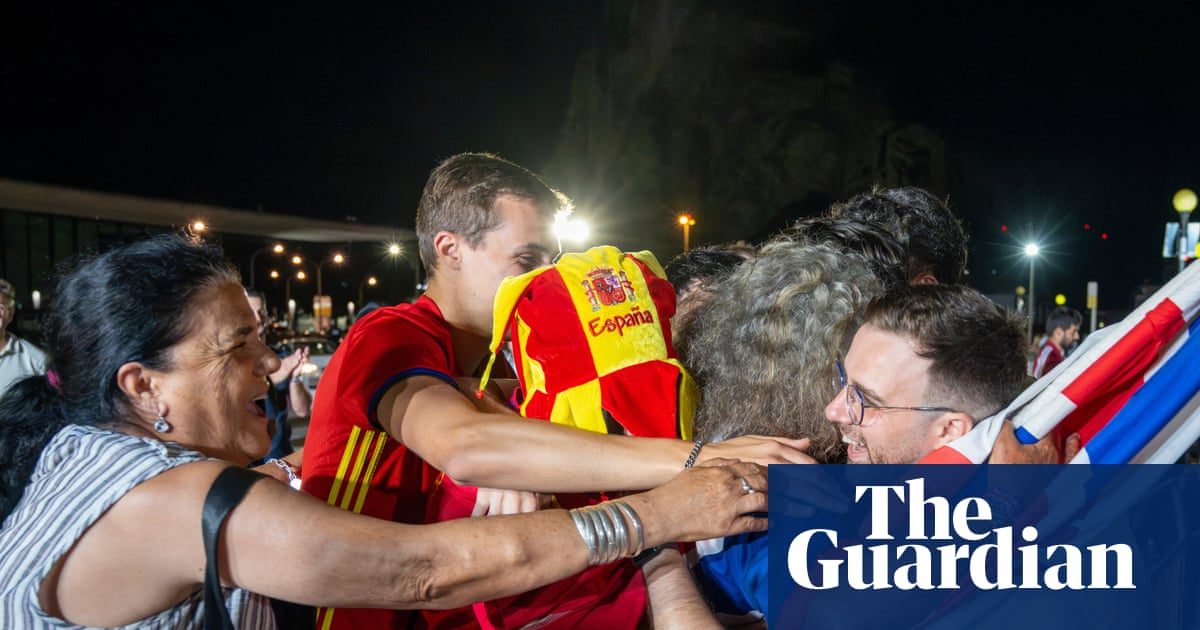
Ultimately, the controversy was swiftly eclipsed by the sporting outcome. Spain produced a tactical masterpiece on the pitch, stunning the tournament favourites with a 2-0 victory. The result secured Spain's place in the World Cup final and definitively shattered France's dreams of winning the title for a third time.