First diagnostic X-rays taken aboard commercial spaceflight
Non-medical crew have successfully taken the first diagnostic X-rays in orbit, demonstrating a portable technology that could open new markets in both the expanding space economy and remote terrestrial healthcare.
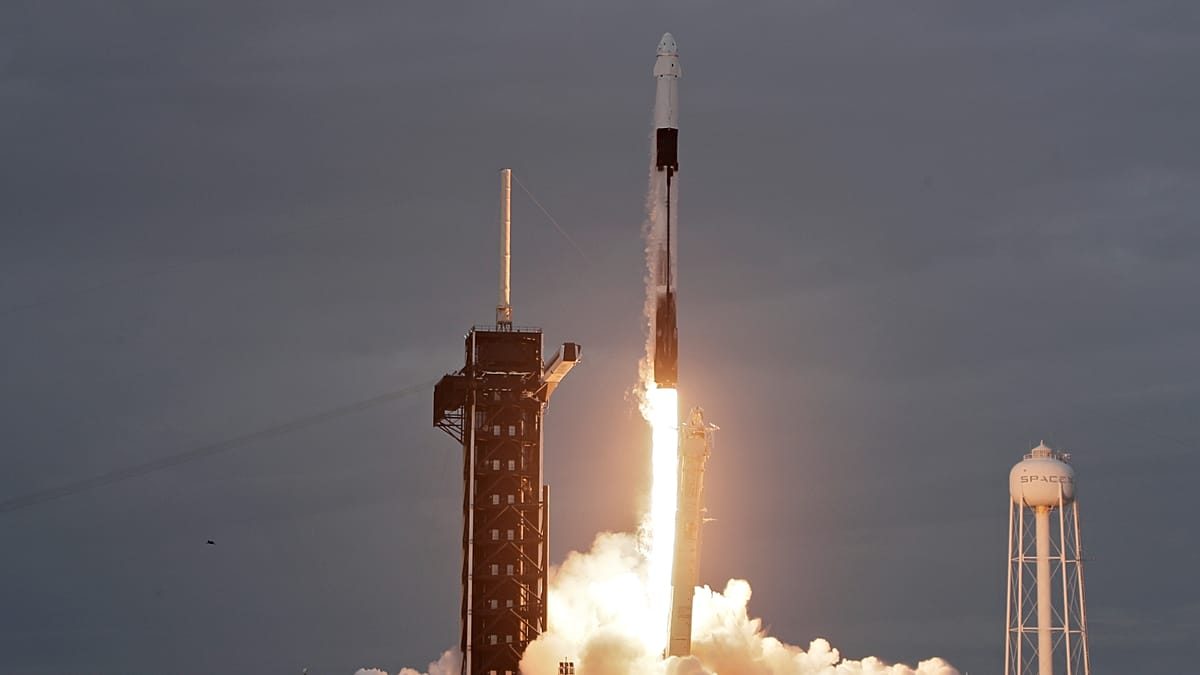
Non-medical crew members aboard a recent SpaceX commercial flight have successfully captured the first diagnostic X-rays in space. The three-day, 14-hour mission, which launched on 31 March 2025, tested a portable wireless digital X-ray generator that could become essential infrastructure for the commercial space sector.
The device, known as the SpaceXray system, was operated by crew members who received just four hours of pre-flight training. According to a study published in the journal Radiology by the Radiological Society of North America, the in-flight images matched the quality of those taken on land in terms of overall image quality, spatial resolution, and contrast resolution.
Radiation exposure for participants was no greater than standard clinical imaging on Earth. However, microgravity presented a specific operational hurdle. The study found that positioning patients for central body images, such as the chest, pelvis, and abdomen, was more difficult than capturing images of the hand or forearm.
For investors and companies operating in the space economy, the successful test signals a growing market for miniaturized, ruggedized medical hardware. “It’s been a dream for aerospace medicine to have more than one imaging modality for diagnosing illnesses and injuries in space,” said Sheyna Gifford, the lead researcher at Mayo Clinic in Minnesota. She noted that traditional machines are too large, produce excessive radiation, and are prone to blurred images from movement, making orbital diagnostics previously unfeasible.
The commercial viability of this technology extends well beyond orbit. Researchers highlighted that ultraportable digital radiography has immediate applications on Earth, particularly in resource-limited communities and combat zones where conventional medical infrastructure is unavailable. This creates a secondary, terrestrial market for the hardware, potentially expanding disease screening programmes for conditions like tuberculosis.
The equipment also proved its durability during the flight's landing and recovery, sustaining only superficial structural damage while its internal components and X-ray output remained fully functional. This resilience is critical for commercial space ventures, where replacing failed equipment is often impossible.
Beyond medicine, the technology offers operational value for spacecraft maintenance. “For sustained human presence in space, X-rays are critical not just for crew members but also for other mission components like electronics and spacesuits,” Gifford said. “The only way to look inside these objects without taking them apart is to X-ray them.”
“A spaceflight-ready radiography system would have profound implications not only for crew health but also for mission-critical nonmedical tasks,” Gifford added. As commercial missions grow longer and more frequent, the ability to conduct internal inspections and medical diagnoses without returning to Earth will become a baseline requirement for profitable spaceflight operations.