Gibraltar border vanishes into Schengen amid new 15% tax
Gibraltar's land border with Spain has been erased under a post-Brexit deal, integrating the territory into the Schengen zone but introducing a flat transaction tax that threatens local retailers and risks gentrifying the neighboring Spanish town.
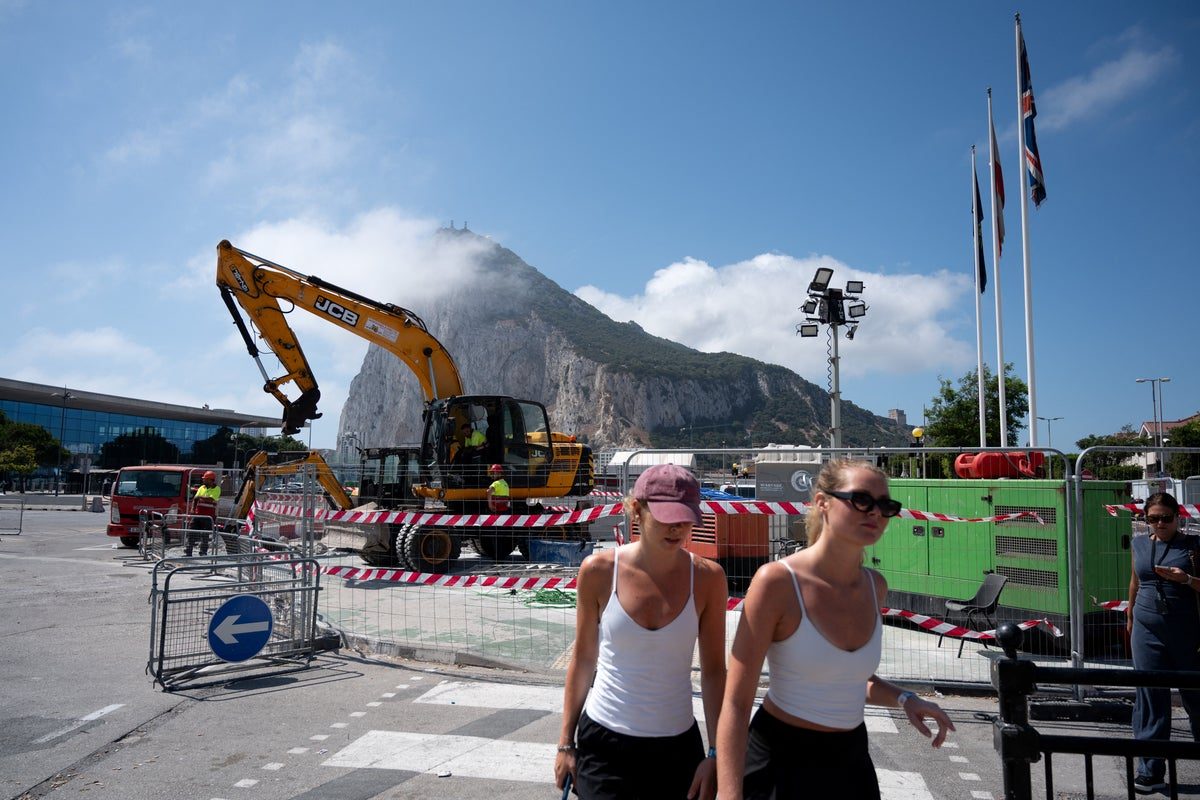
Gibraltar’s land border with Spain has been formally dismantled, making the British Overseas Territory part of the EU’s Schengen border-free space in the most significant shift since Spain ceded the Rock over 300 years ago. Police buildings on the Spanish side have been removed and passport checks at the land crossing eliminated.
However, this new freedom of movement comes with a direct economic cost for local businesses. The territory must now apply a flat 15 per cent transaction tax, replacing the previous import duty that ranged from zero to 12 per cent. Retailers like the Imperial Newsagents face pressure to raise prices, risking a loss of customers to cheaper shops just across the frontier in Spain.
The fiscal shift threatens to erode Gibraltar’s distinct commercial character. Owen Smith, chairperson of the Gibraltar Federation of Small Business, warned that European franchises like Zara could now invade the high street. He noted that preserving the territory's locally-owned, British-leaning retail experience is a major challenge.
Tourism and aviation stand to gain from the open frontier. While only UK flights currently land at Gibraltar's airport—where arriving passengers must still show passports to Spanish civil guards—the tourist office confirmed other airlines have expressed interest. Local business owners like Roland Walker expect the ease of crossing to attract more Spanish visitors.
The economic integration is already reshaping the neighboring Spanish town of La Línea de la Concepción, where nearly 29 per cent of the population is unemployed. Around 15,000 Spanish workers commute daily to Gibraltar, but higher-earning Gibraltarians are now buying property across the border. Mayor Juan Franco said this gentrification is pushing housing prices beyond the reach of local residents.
Madrid has also secured a veto over the granting of residency in Gibraltar, a concession that underscores the territory's shifting political realities. Some residents worry that ending the Rock's status as a "cul-de-sac" could invite crime, though they acknowledge a closed border was never a viable option.
The Gibraltarian government has installed London black cabs and red phone boxes to assert British identity. Yet, as local editor Brian Reyes noted, the territory is not an outpost of Little England but a Mediterranean-British mix. Residents accept the new taxes because the alternative was clear: as local CEO Mike Nicholls put it, a hard border would mean businesses leaving and Gibraltar becoming “a sunny Falklands.”