UK veterans train Ukrainian civilians in battlefield medicine
British volunteers are teaching tactical first aid to families and infrastructure workers, highlighting the civilian burden of Europe's protracted war.
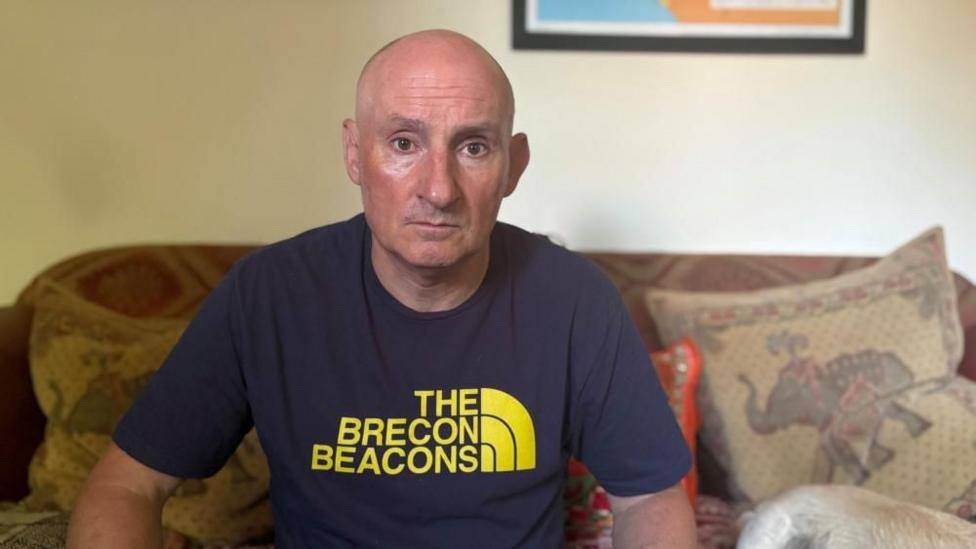
British veterans are providing tactical battlefield medical training to Ukrainian civilians, including those maintaining critical communications infrastructure. Paul Taylor, a veteran of the Royal Regiment of Fusiliers, recently returned from his 10th such mission. He has been travelling to Ukraine with UK charity REACT Disaster Response since the first Russian invasion, more than four years ago.
The training focuses on trauma medicine, teaching civilians how to stop severe bleeding, maintain breathing and evacuate casualties to hospitals. Taylor noted that his team is instructing entire families living in areas susceptible to drone attacks. "We have trained mum, dad and two kids because they are exposed to the harsh reality of this every single day," he said.
A key focus of the recent deployment was protecting the technicians who restore connectivity after strikes. Internet engineers are often forced onto streets and up poles immediately after attacks to fix downed lines. "We were also training internet engineers... as soon as there's a strike, internet goes down, these people are out on the streets in extremely dangerous conditions, up poles etc, having to fix the internet connection," Taylor said.
The medical supplies provided are intentionally basic to ensure they can be used effectively under extreme stress. "It's fairly rudiamentry, so it's tourniquets and it's what you would know as field dressings but it's life saving... we're trying to put that knowledge and skill close to the incident. That's what's going to save people's lives," he explained.
Fellow veteran and REACT volunteer Lizzy Stileman emphasized the psychological and practical value of this preparation for local populations. "Seeing the challenges people face in Ukraine, I feel that even a small contribution can make a meaningful difference, and it's motivating to know that the work we're doing helps build confidence, preparedness, and potentially saves lives," she said.
REACT was established following the 2015 Nepal earthquakes and typically responds to natural disasters like hurricanes and tsunamis. Its sustained, multi-year deployment to Ukraine underscores a grim reality for European public life. Protracted conflict has blurred the lines between military and civilian spheres, making basic battlefield survival skills a necessity for everyday workers and families.