EV charger fines expose flaws in UK infrastructure rollout
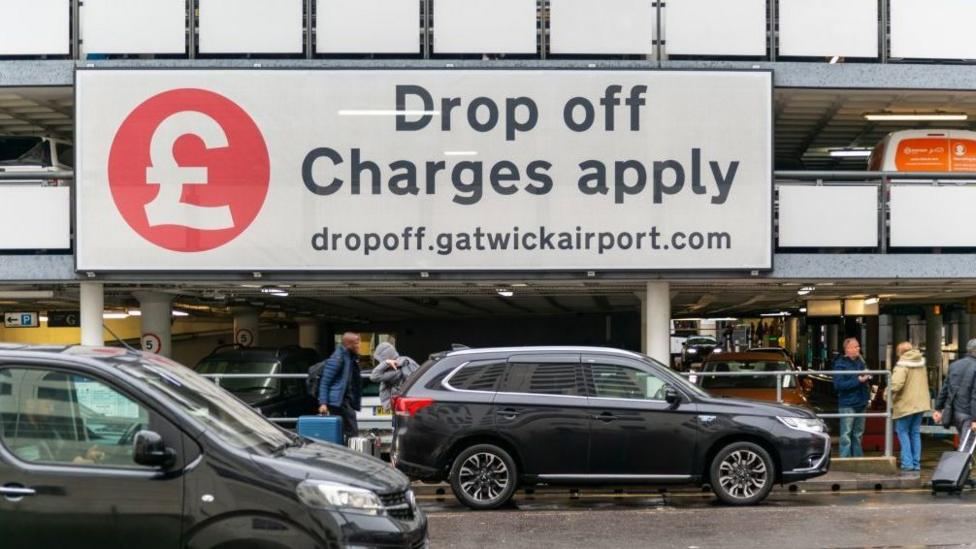
Electric vehicle drivers in the UK are being hit with unexpected parking fines while using public chargers, exposing a regulatory gap between charging networks and private landowners that complicates the rollout of vital green infrastructure.
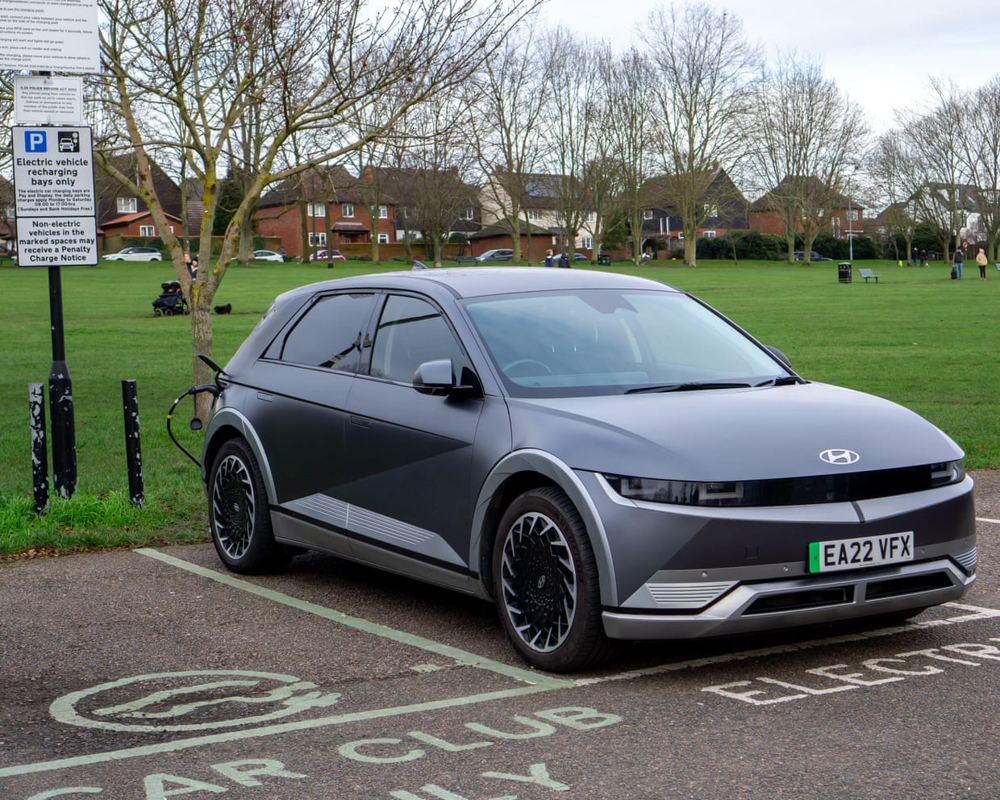
Motorists in the UK are facing penalties of up to £100 simply for plugging in their electric vehicles. The fines stem from a mismatch: charging network apps advertise bays as available, while the private landowners hosting those chargers enforce strict parking tariffs or time limits.
Kevin Laban was directed by the Pod Point app to an Aldi car park in Weymouth. He was fined £70 because he charged while the supermarket was closed, a violation that was not displayed on the charger or the app. “If the landowner does not want people charging outside store hours, the chargers must be deactivated, or the EV apps must sync with the parking restrictions,” Laban says. Aldi cancelled the notice.
Similar issues arise when charging fees do not cover parking. Clive Sanders received a £100 notice from Smart Parking after paying only the charging fee at an InstaVolt unit in Devon. InstaVolt offered a £50 credit but could not force the parking operator to cancel the fine.
Anthony Stone was hit with a £100 fine at a Holiday Inn because he did not register his number plate before charging. “How many contracts should a driver be expected to enter to charge a vehicle?” Stone said. Holiday Inn cancelled the penalty, noting its automatic cameras do not distinguish between parking and charging.
This friction highlights a structural flaw in the expansion of Europe's EV charging network. Operators like Pod Point and InstaVolt rely on private land to host hardware, but lack unified systems to communicate site-specific parking restrictions. “Signage needs to be clearer, so drivers realise straight away whether they need to pay for parking, how long they can stay to charge and the hours of operation,” said Simon Williams, head of policy at the RAC.
The burden of understanding overlapping terms currently falls entirely on the consumer. The UK’s Ministry of Housing, Communities and Local Government acknowledged the issue, stating that tariffs must be clearly displayed and planning to publish a new private parking code later this year. For European markets undergoing similar rollouts, the UK's experience serves as a warning that infrastructure expansion must be matched by integrated regulatory standards to prevent consumer backlash.