UK's incoming PM urged to ban crypto in politics
Britain's next prime minister, Andy Burnham, faces immediate pressure to ban cryptocurrency donations to political parties and tighten social media rules ahead of the next election.
The British government has delayed its elections bill until after the summer recess. This hands incoming prime minister Andy Burnham an opportunity to overhaul legislation that a former minister has called "timid and limited."
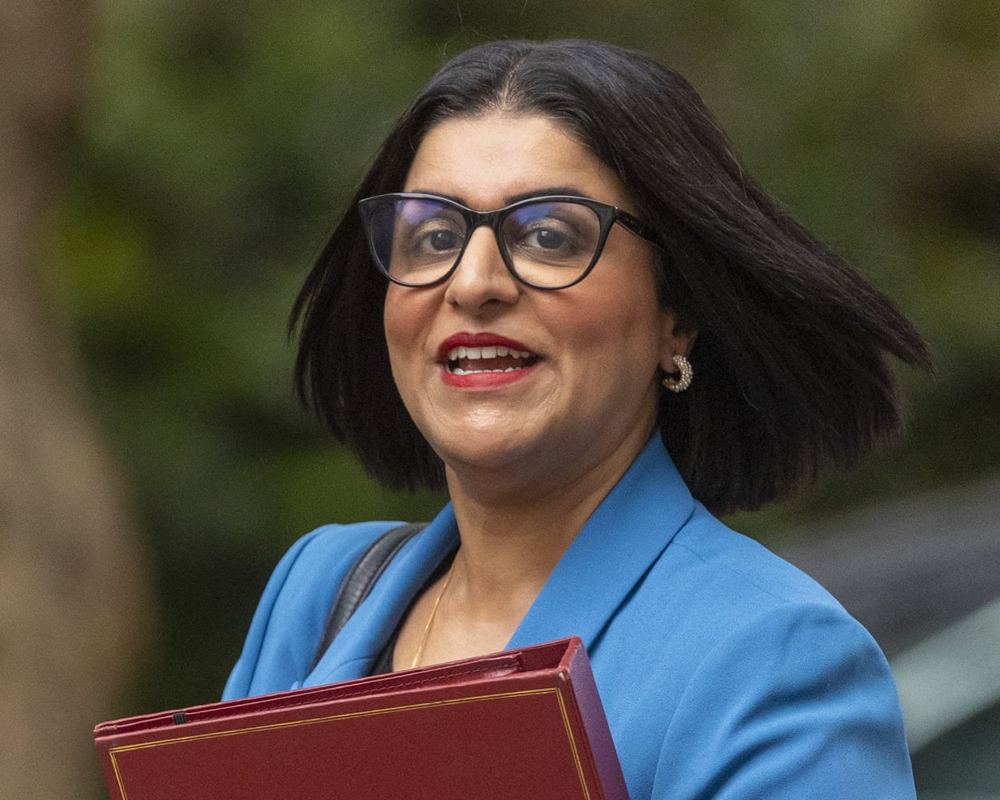
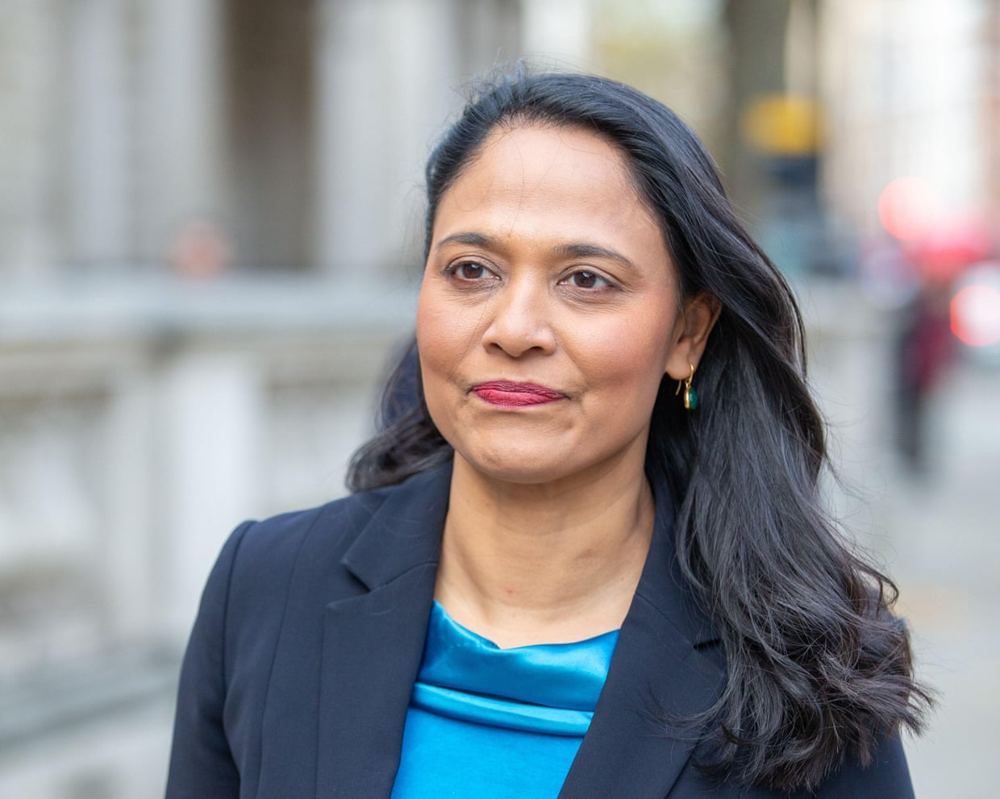
Rushanara Ali, who resigned as democracy minister last August after helping draft the bill, said it fails to address digital money in politics or online disinformation. She is urging Burnham to adopt a tougher stance than his predecessor, Keir Starmer.
Ali is demanding an outright ban on crypto donations rather than the government's current moratorium. "I cannot understand why the government is going down this moratorium route rather than a ban," she said. "I just think that that’s leaving the door open for further interference in our democracy through illegitimate donations, and that needs to be dealt with right now."
Ali noted that keeping a moratorium means parliament will eventually have to repeat the legislative process to implement an actual ban. "The scope for changing it to a ban, which many of us believe will be the case, means that you have to go through the legislative process again," she said. Reform UK recently accepted millions of pounds in undisclosed gifts from crypto entrepreneurs.
The legislation also faces pressure to curb the influence of social media platforms during campaigns. Lucy Powell, a Burnham ally tipped to run his "No 10 North" operation, has proposed an amendment to subject social media companies to the same strict electoral restrictions as traditional broadcasters.
Ali warned that without immediate action, emerging technologies will severely disrupt the democratic process. "If we don’t, deepfake and disinformation, and the onslaught of major influences with hundreds of millions of followers that are peddling far-right hostility, is going to infect our politics with a kind of poison we’ve never seen before," she said.
The internal backlash highlights a broader frustration within the Labour party over Starmer’s cautious approach. Dozens of MPs had been preparing to rebel against the government in Tuesday votes before the bill's delay, with many blaming that caution for the party's recent slump in the polls.
However, Burnham is likely to encounter the same electoral and financial constraints that limited his predecessor. Ali acknowledged she originally wanted more provisions on harassment and online hostility but faced resistance from the Department for Science, Innovation and Technology.
Alongside the crypto and social media amendments, MPs are pushing for a national commission on voting reform. This body would recommend a more representative electoral system before the next vote.