Kremlin-linked disinformation campaigns target German regional elections
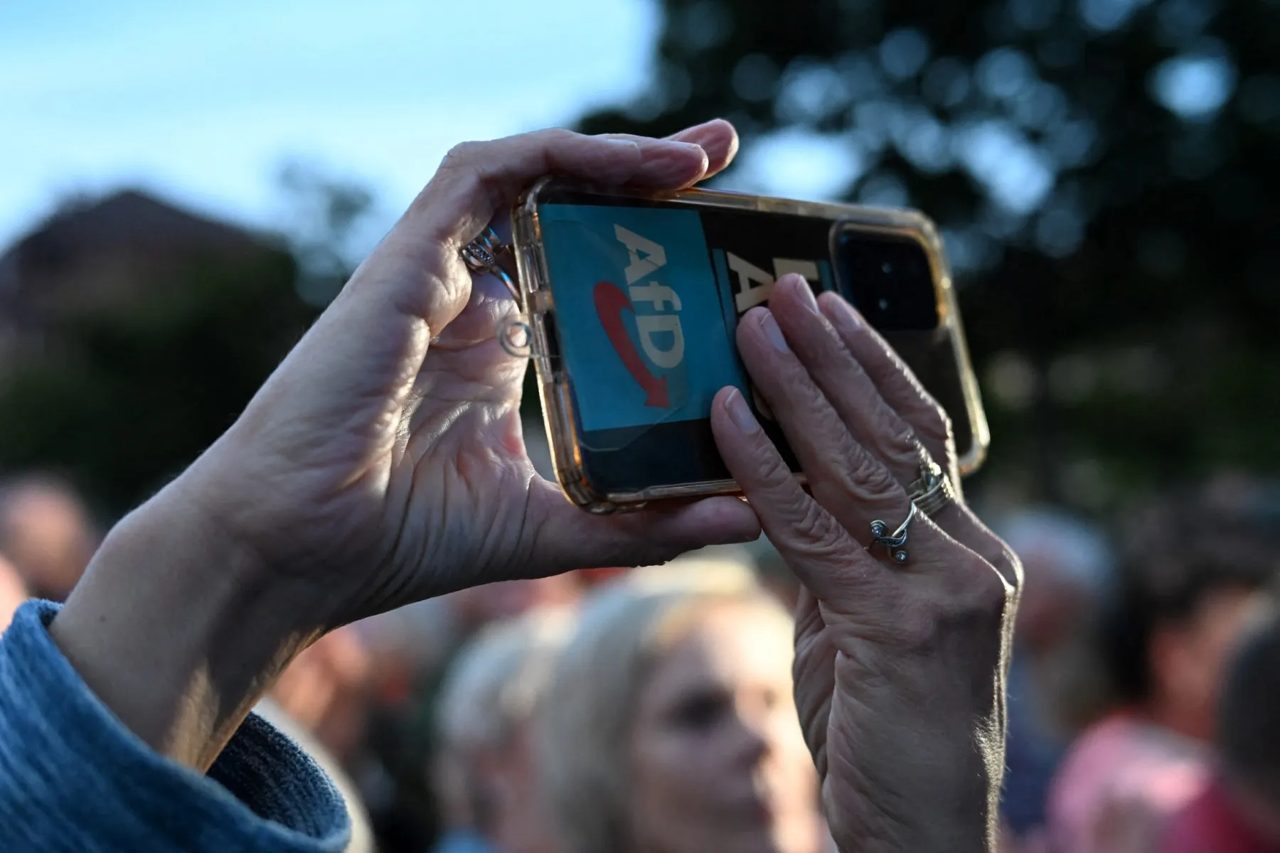
Suspected Russian disinformation campaigns targeting German regional elections threaten to propel the far-right AfD to its first post-war state government, challenging Berlin's support for Ukraine.
Suspected Russian-linked disinformation campaigns are flooding German social media ahead of two critical regional elections next month. Anti-Kremlin activists and lawmakers say the operations are designed to smear mainstream parties and deepen east-west divisions, directly benefiting the far-right Alternative for Germany (AfD).
Votes in Saxony-Anhalt on September 6th and Mecklenburg-Western Pomerania on September 20th could see the anti-immigrant, pro-Russian AfD take control of a regional government for the first time since 1945. Such an outcome would deal a severe blow to Chancellor Friedrich Merz's unpopular coalition and potentially shift Germany's economic and foreign policy trajectory. The party campaigns on ending billions in spending on Ukraine and immigrants, advocating instead for a return to cheap Russian energy to revive the struggling German economy.
The activist group Antibot4Navalny detected two separate campaigns over June and July on platforms including X, TikTok and Bluesky. The operations used fabricated versions of well-known outlets like AFP, ARD and Deutsche Welle to spread false claims about politician corruption and sex offences. Notably, the AfD and BSW, a small pro-Russian far-left party, were excluded from the attacks. The group links the tactics to Matryoshka, a known Kremlin influence operation.
While direct proof remains elusive, lawmakers point to the scale and style of the campaigns. Konstantin von Notz, a Green party MP and vice-chair of the parliamentary intelligence oversight committee, accused Moscow and the far right of sharing the work. "The narrative being spread from Russia into Germany, with a budget running into the millions, is then deliberately re-broadcast by the AfD in a targeted way," he said.
Despite acknowledging the threat, Berlin has not announced counter-measures. The BfV domestic spy agency confirmed it is aware of the social media campaign and noted similarities to Russian operations. Marc Henrichmann, the CDU chairman of the intelligence oversight committee, warned that publicly targeting the campaign could backfire by amplifying its reach. He called the situation a Russian "cognitive war" meant to divide a country that has become Ukraine's leading military donor, urging stronger powers for intelligence services.
The AfD firmly denies acting as a Kremlin proxy. Ulrich Siegmund, the party's top candidate in Saxony-Anhalt, rejected the accusations. "Seeking a reasonable understanding with another country does not mean you're working for it," he said. Among voters, the narrative resonates; supporter Hans-Joachim Dietrich argued that Russia is Germany's "natural ally."