Iran flight disruption triggers costs for EU airlines
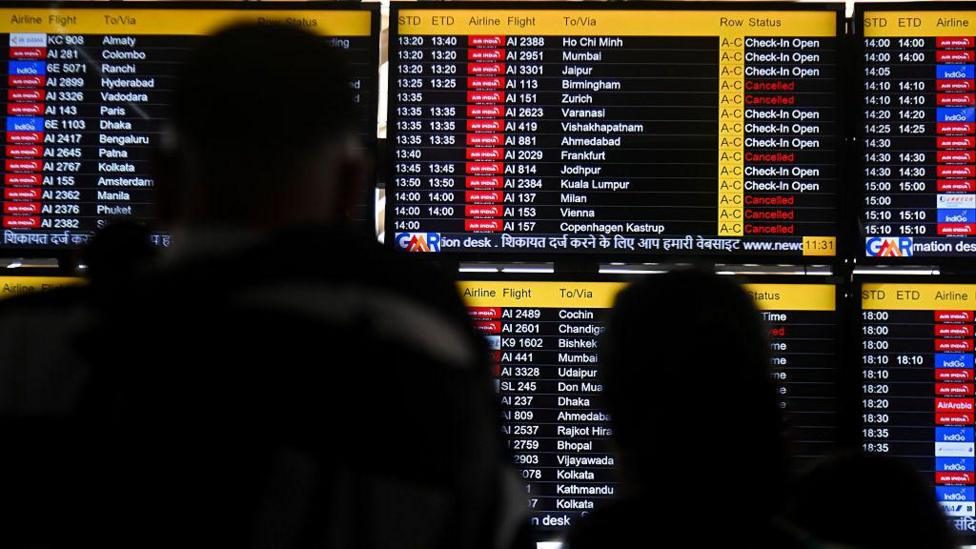
Widespread flight cancellations stemming from the Iran conflict are forcing European airlines to absorb passenger care costs, shielding them from compensation tariffs but hitting balance sheets with rerouting expenses.
The Iran conflict is causing widespread disruption to summer travel, leaving European airlines to manage a severe operational bottleneck. With relatively few seats available immediately, carriers departing EU airports are under pressure to reroute thousands of passengers.
UK and EU airlines, alongside other carriers departing EU airports, must absorb the logistical and financial burden of looking after stranded travellers. Regulations require them to provide meals, accommodation, and alternative transport at no extra cost.
If an airline cannot arrange this assistance, passengers can secure it themselves and claim the cost back later. The Civil Aviation Authority advises passengers to keep receipts, meaning airlines will face a wave of retrospective reimbursement claims for essential expenses.
These duty-of-care requirements activate for delays exceeding two hours on short-haul flights, three hours on medium-haul, and four hours on long-haul. If a delay stretches beyond five hours, passengers can abandon their trips and claim a full refund. For cancelled return flights, passengers can claim the full cost of the unused ticket, representing a direct revenue hit for carriers.
Rerouting passengers also carries added expenses. If a competing airline has a significantly sooner departure, or if another suitable mode of transport exists, carriers must book the passenger onto that rival service.
However, airlines are legally shielded from standard compensation payouts. Conflict is classified as an extraordinary circumstance, meaning carriers avoid the fixed tariffs that apply when a disruption is their fault, such as the up to £520 per person required for long-haul flights under UK law. While they escape these direct compensation liabilities, the unpredictable costs of overnight hotels and competitor tickets still fall on their balance sheets.
The economic impact ripples beyond the aviation sector. Travel insurance providers face a wave of claims for additional losses, such as unused hotel bookings, though there is no standard definition of what these policies cover. Credit card providers may also bear some costs if they were used to pay for the original bookings.
European businesses face indirect costs from the travel chaos. Airlines and insurance policies do not cover a passenger's loss of earnings if they are late returning to work. Employers have no legal obligation to pay absent employees unless stipulated in their contracts, forcing companies to manage the productivity loss through unpaid leave or annual leave deductions.