Shuvl Bikes designs modular e-mountain bike frame to break motor supplier lock-in
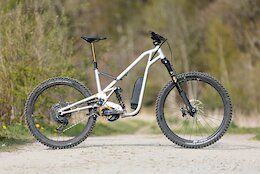
A UK-designed e-mountain bike frame compatible with major drive systems like Bosch and Shimano could disrupt the industry’s reliance on proprietary supplier lock-in and improve long-term repairability.
Shuvl Bikes is developing a new e-mountain bike frame designed to operate with a wide range of external drive units, including systems from Bosch, Shimano, and Yamaha. The UK-based project aims to break the prevailing industry standard where bicycle frames are permanently tied to a single manufacturer’s proprietary motor and battery ecosystem.
This modular approach addresses a growing structural vulnerability in the European e-bike market. Manufacturers currently depend heavily on single key suppliers, leaving them exposed to supply chain disruptions. Meanwhile, consumers face limited options for affordable repairs, servicing, and spare parts once their initial warranties expire.
Designed by Joe McEwan, founder of Starling Cycles, and constructed by a UK automotive parts manufacturer, the frame utilizes a double-downtube layout. This specific architectural choice creates ample internal space to accommodate various external battery sizes while still allowing room for a water bottle inside the front triangle.
The chassis relies on specialized adapters to connect securely to the distinct mounting bolt patterns of different major motors. McEwan stated that the high single-pivot suspension design is "as progressive as you can get with a single pivot." This engineering ensures that handling characteristics remain stable even if a rider switches between different motor types and chainring sizes.
The bicycle currently remains in the pre-production phase, with early prototypes showing rough edges. Temporary plastic components and bolted gussets seen in current samples will be upgraded to stamped aluminum and regular welded tubes before the commercial release. The company has not yet announced a final retail price.
Market Implications
If successfully brought to market, this agnostic hardware model could fundamentally shift micromobility dynamics. It treats the electric drive system as a replaceable, upgradeable component rather than a permanent fixture, potentially reducing electronic waste. Such flexibility directly supports broader European regulatory pushes for right-to-repair frameworks and extended product lifespans.