Bavaria strips museums of Nazi loot research powers
Bavaria is moving provenance research for Nazi-looted art out of state museums and into an independent body, a structural overhaul that could set a new benchmark for resolving Holocaust-era restitution claims across Germany.
The Bavarian cabinet has approved a major reform to how the state handles claims on Nazi-looted art, removing the investigative process from museums and placing it under an independent academic body. The changes establish a separate entity to conduct provenance research and an independent panel to evaluate claims.
The shift addresses a long-standing conflict of interest that has plagued German restitution efforts. Until now, Bavarian museums investigated the very claims made against their own collections, a practice that left claimants skeptical and lagged behind the independent models already used in Austria and the Netherlands.
The new research unit will employ eight provenance researchers, an increase on the current staff, and will operate under the Institut für Zeitgeschichte in Munich. A separate claims panel, led by Raphael Gross, the president of the German Historical Museum, will issue recommendations to the state based on this independent research.
The overhaul follows a crisis of confidence sparked last year when Bernhard Maaz resigned as director of the Bavarian State Painting Collections. Media reports accused the institution of concealing stolen works and delaying restitutions. While the museums authority denied the accusations, Culture Minister Markus Blume acknowledged the need for systemic change.
“We need a structure that has distance from the state,” Blume said. “And we realised that at the current pace, we will never get to the end of this in a reasonable timeframe.” He added that the state is treading new ground in Germany and creating a potential blueprint for others.
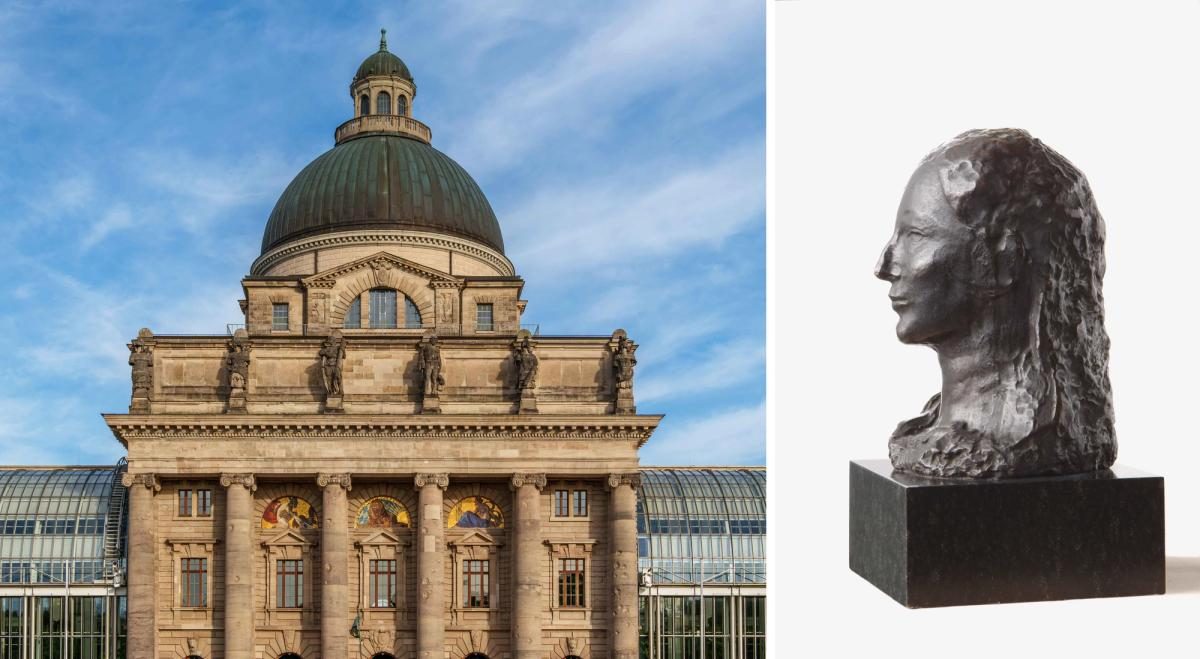
Alongside the structural changes, Bavaria announced the restitution of a 1905 Picasso bronze bust to the heirs of Alfred Flechtheim, a Jewish dealer persecuted by the Nazis. The state had rejected a claim for the bust last year, but Blume said new national guidelines tied to a federal arbitration tribunal that began work in December prompted a reversal.
The reforms have drawn cautious optimism from claimant representatives. Andreas Wirsching, the professor who led the roundtable proposing the changes, called the step a “quantum leap.” Rüdiger Mahlo of the Jewish Claims Conference said the new structures have the potential to resonate far beyond Bavaria and establish a nationwide benchmark.
However, lawyers for claimants stressed that the work is far from over. “It is long overdue justice,” said Markus Stötzel, the lawyer representing Flechtheim’s estate. “Yet this can only be the beginning. We are still waiting for the restitution of two paintings by Paul Klee and other artwork from Bavaria. Some of these claims date back to 2008.”