EU asks US to exempt €150bn in goods from Turnberry deal tariffs
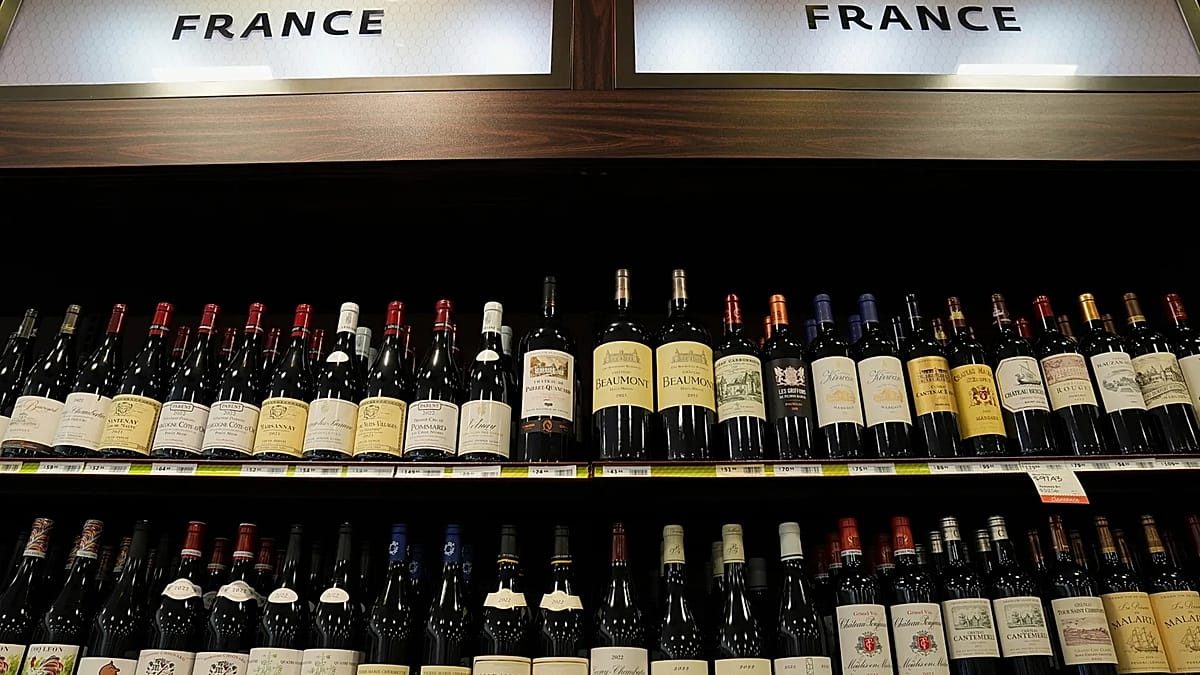
Brussels has submitted a list of key exports, from Roquefort to medical devices, to secure relief from the 15 percent duties agreed last summer, a move critical to shielding European industry from prolonged trade friction.
The European Commission has formally asked Washington to exempt €150 billion worth of EU exports from the 15 percent tariffs imposed under last year’s Turnberry trade agreement. EU trade official Matthias Jørgensen disclosed the request to MEPs on Tuesday, detailing a broad list of goods Brussels wants shielded from the duties.
The carve-out bid targets products deemed essential to the European economy. The comprehensive list includes agricultural staples like Roquefort cheese, olive oil, wine, spirits, beer and pasta, alongside critical industrial goods such as medical devices, electrical equipment and machinery. Jørgensen told MEPs the selected goods were either “economically meaningful” for the EU or had a “limited domestic availability in the US”. Securing these exemptions would prevent a significant cost increase for Europe’s most recognizable exporters.
These exemptions were always envisioned as part of the broader agreement. When Commission President Ursula von der Leyen and US President Donald Trump struck the Turnberry pact in July 2025, a joint statement noted they would “consider” restoring pre-2025 tariff levels—which averaged roughly 3.3 percent—for goods vital to their economies and value chains.
However, Washington refused to begin those talks until the EU first dropped its own tariffs on American industrial goods. With EU legislators reaching an internal deal in May and Brussels removing those duties on 1 July, the Commission now believes it has fulfilled its side of the bargain to unlock the exemption negotiations.
The push reflects intense lobbying from individual EU countries eager to protect their domestic markets. France, Italy and Spain have been particularly vocal in demanding more favourable tariffs on their wine sectors. Their pressure underscores the high political stakes for the Commission as it enters the technical phase of these discussions.
A harder fight on metals
Beyond the 15 percent duties, Brussels wants to address the 50 percent US tariffs still hitting European steel and aluminium. Jørgensen warned lawmakers that these negotiations will be “challenging”. “The US has made very clear that for national security reasons, this is an area where the it wants to maintain and protect US production,” he told the parliament.
Even if the Commission succeeds in rolling back some of the 15 percent duties, broader stability remains elusive. Jørgensen noted that transatlantic trade relations are still at “high risk of volatility” due to Trump's public threats against EU countries that implement digital taxes targeting US big tech companies.