UK fanzines mount analogue resistance to digital fatigue
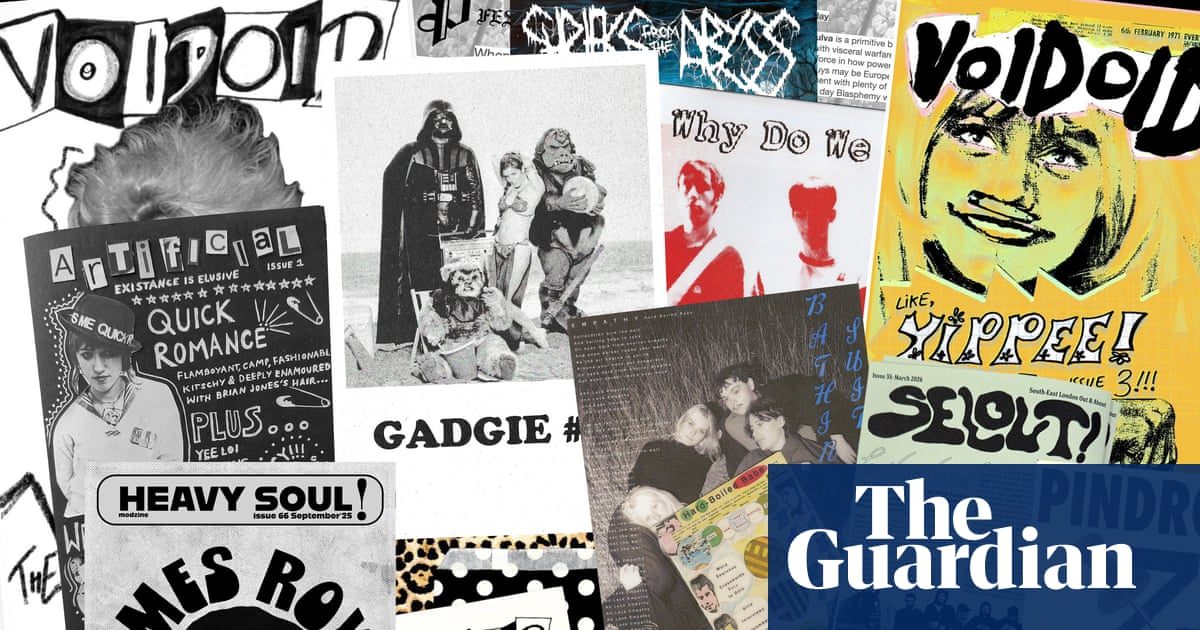
Fifty years after punk, British music fanzines are experiencing a tangible revival driven by digital fatigue, serving as a community-built counterweight to the hyper-capitalist, algorithm-driven music industry.
A new generation of music fanzines is spreading across the UK, driven by creators seeking an alternative to algorithmic media and AI-generated content. These self-published, physical publications are emerging as a deliberate form of resistance to what hip-hop musician ExP describes as an environment where “digital attention span is at an all-time low.”
This resurgence signals a growing consumer disconnect from the hyper-capitalist digital music economy. Free from search engine optimisation and release cycle demands, fanzines represent a return to labour-intensive, bespoke cultural products. “You’re almost definitely going to spend more time looking at a zine than anything you see scrolling,” says ExP, creator of the West Yorkshire Hip-Hop zine. “It’s more interesting and more real.”
Rather than chasing mass markets, these publications function as crucial local infrastructure. Zines like Winch in Glasgow, Poseur in Belfast, and Point Blank on Teesside document hyper-local music scenes. “I like to think that TQ serves as a living history of music in the north-east,” says editor Andy TarQuin Wood. Teen Warfare co-editor Nova notes the publications act as “a permanent snapshot of a time in the scene,” preserving local culture even when individual bands disband.
To defy the proliferation of "AI slop," young makers are embracing distinctly analogue production methods. Hamish Ironside prints Saudade on a vintage Gestetner duplicator using manual typewriter stencils, achieving total self-sufficiency. Phil McMullen spends roughly seven hours typesetting a single page of Terrascopaedia using traditional letterpress. “I am drawn to featuring artists who share my sense of craft,” McMullen says.
Beyond music criticism, these physical objects are becoming vehicles for radical political organisation. Teen Warfare recently leveraged its readership to organise a protest outside a Disturbed concert in response to the singer's support for the IDF. “At their core, zines are about sharing information and building community, even if they’re music-focused,” Nova says. Efa Supertramp, editor of bilingual Welsh zine Gwarth ar y Teulu, frames the medium as inherently for “the misfits, the queers, the working class.”
The revival is heavily inter-generational, bridging 1970s punk origins with modern creators like 18-year-old Poppy Lola. As Sci-fi Steven of the band Bis observes, the enduring appeal lies in the romance of the “last pre-internet organic network,” offering a slower but more scenic route through modern cultural life.