Anthropic and Blackstone form $1.5bn AI implementation firm

Anthropic and Blackstone have launched a $1.5bn joint venture called Ode, signaling that the next major AI market lies in helping traditional companies integrate the technology rather than just building the models.
Anthropic and Blackstone have unveiled Ode, a $1.5 billion joint venture backed by Hellman & Friedman and Goldman Sachs, aimed at deploying AI engineers directly into corporate offices.
The creation of Ode highlights a critical shift in the artificial intelligence sector. Frontier labs are acknowledging that shipping advanced models is no longer enough; the real bottleneck—and the next potential trillion-dollar market—is helping enterprises actually use them.
Blackstone conceived the venture after struggling to find adequate implementation support across its portfolio companies. The firm acquired AI services startup Fractional AI to serve as Ode's foundation, pulling the startup away from an 11-month partnership with OpenAI.
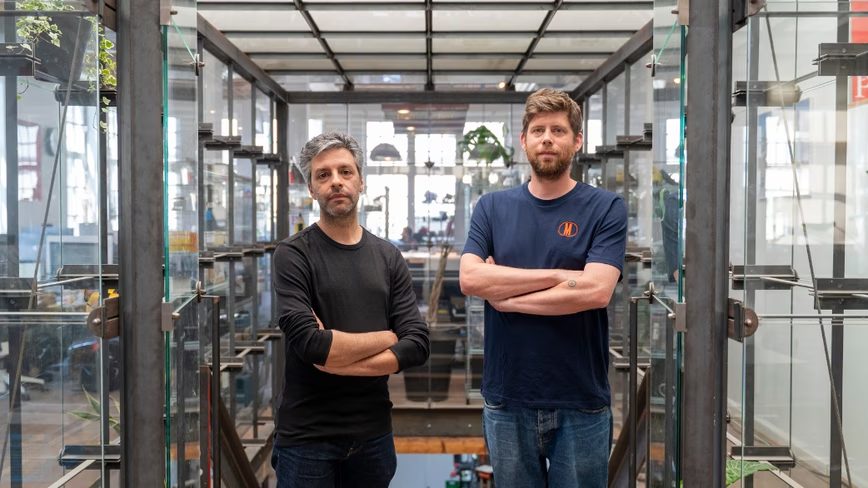
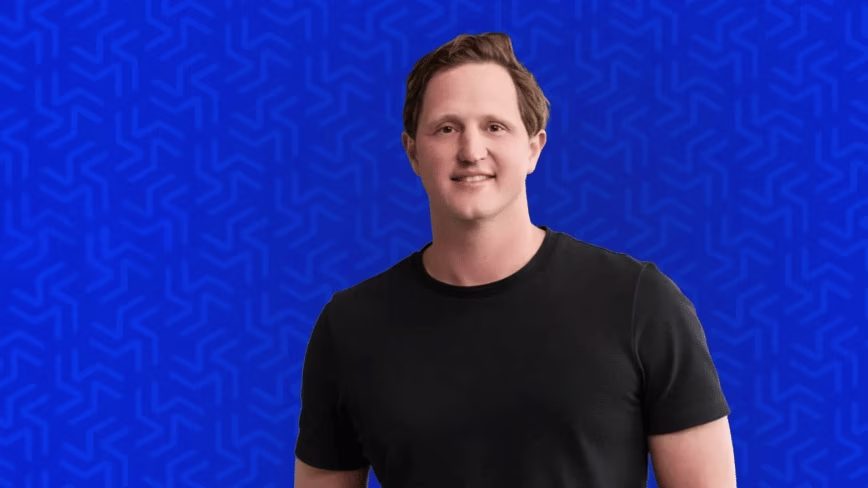
Ode currently employs 100 engineers and operates on a "Claude-first" principle, though it will use rival models if a client requires it. The company targets C-suite mandates, focusing on a business's top strategic priorities. "A lot of the work that we’re doing is the top one or two priority for the CEO of the company," said Chris Taylor, Ode's CEO.
The founders argue that the underlying model is merely one component of a broader engineered system. "I think model selection matters, but it’s not where the majority of calories are spent," said Eddie Siegel, Ode's chief technologist. “It’s like the choice of programming language when you build a piece of software […] I would not define an enterprise transformation in terms of whether they choose Python or Java.”
Ode's strategy relies on recruiting elite, former founders as "special forces" engineers rather than building an army of standard technicians. This approach will be tested as the firm scales internationally, competing directly against OpenAI's recently formed Deployment Company as well as established consulting giants like Deloitte and Accenture.
For traditional businesses, the rise of dedicated AI implementation firms addresses a severe talent gap. “Non-AI companies are going to be among the big winners of this whole AI moment if they adopt the technology the right way,” Taylor said. However, turning what he called “this magic, hallucinating ingredient” into rewired core business processes requires highly specialized talent that most firms lack.