US strikes on Iran risk prolonging Europe's energy price shock
Fresh US military strikes on Iranian missile sites have shattered a tattered ceasefire, pushing oil prices higher and threatening a new surge in European inflation as Tehran moves to permanently close a vital energy chokepoint.
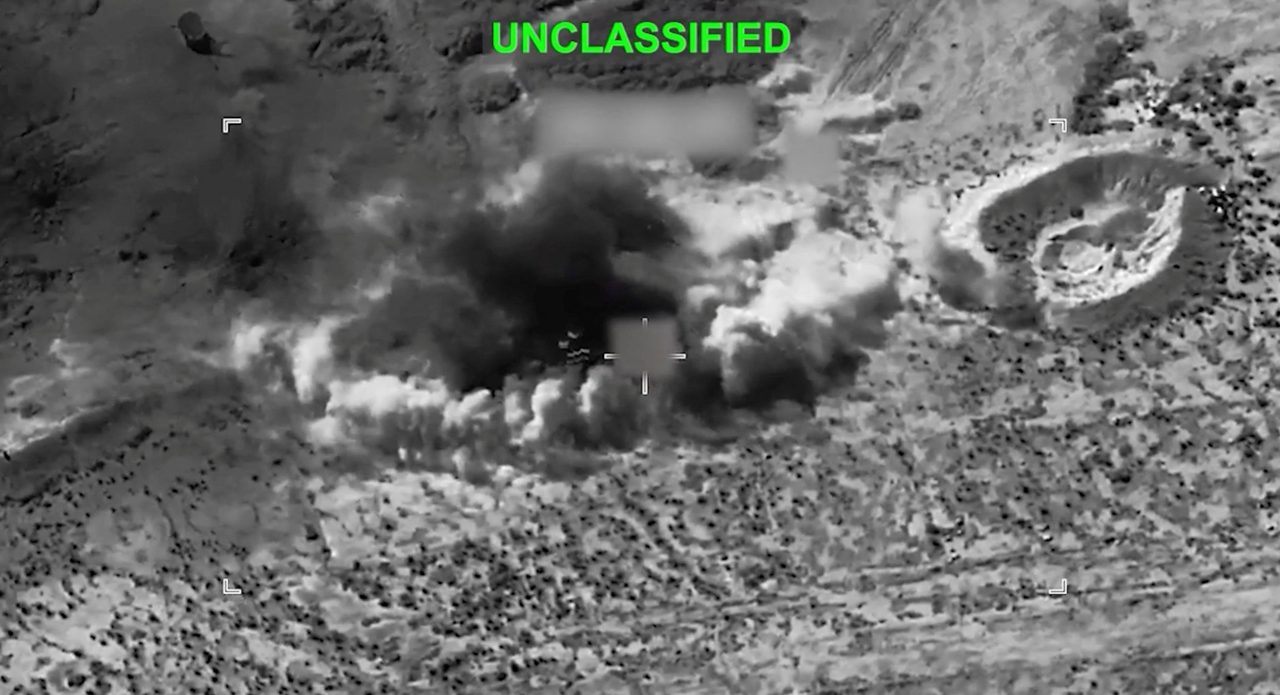
The US military launched a new wave of strikes against Iran’s coastal defense systems and cruise missile facilities on Wednesday, targeting Greater Tunb Island. The 90-minute bombardment followed a seven-hour assault on dozens of military sites near the Strait of Hormuz late on Tuesday. US Central Command stated the operations aim to degrade Iran’s ability to attack commercial shipping.
Iran’s Islamic Revolutionary Guard Corps responded by striking US military targets in Bahrain, Kuwait, and Jordan. The IRGC also warned it would shut down additional regional energy export corridors, declaring the Strait of Hormuz would stay closed until "the end of America’s evils." State media reported at least 30 civilians and seven military personnel were killed in the recent US attacks.
For European economies, the immediate danger is the disruption to global energy supplies. The Strait of Hormuz handled roughly a fifth of the world's oil and gas shipments before the conflict. Oil prices climbed another 1% on Wednesday to a one-month high, reviving fears that sustained shipping disruptions will force a fresh surge in inflation across the continent.
Iran is now attempting to permanently seize control of the strait and impose transit fees on passing vessels. Analysts warn Tehran could also use its Houthi allies in Yemen to close the Bab el-Mandeb strait. Losing both arteries would be an unprecedented shock to global energy logistics, directly threatening Europe's import chains.
The violence effectively buries an interim ceasefire signed last month that was supposed to pave the way for a permanent truce and negotiations over Iran’s nuclear program. The US claims Iran attacked seven commercial vessels last week, leaving nearly a dozen crew members killed, missing, or injured.
US President Donald Trump faces domestic pressure to avoid a full-scale war but issued sharp warnings on Tuesday. He threatened to strike Iranian power plants, bridges, and energy infrastructure next week if negotiations do not resume. "I’ll save the energy targets for last, but ultimately we’ll hit energy targets," Trump said.
While analysts believe neither side wants a return to all-out war, the risk of further escalation is high. For European businesses and consumers, this means bracing for a prolonged period of elevated energy costs as the region's primary supply routes remain caught in the crossfire.