Trump urges US arms makers to accelerate output for allied wars
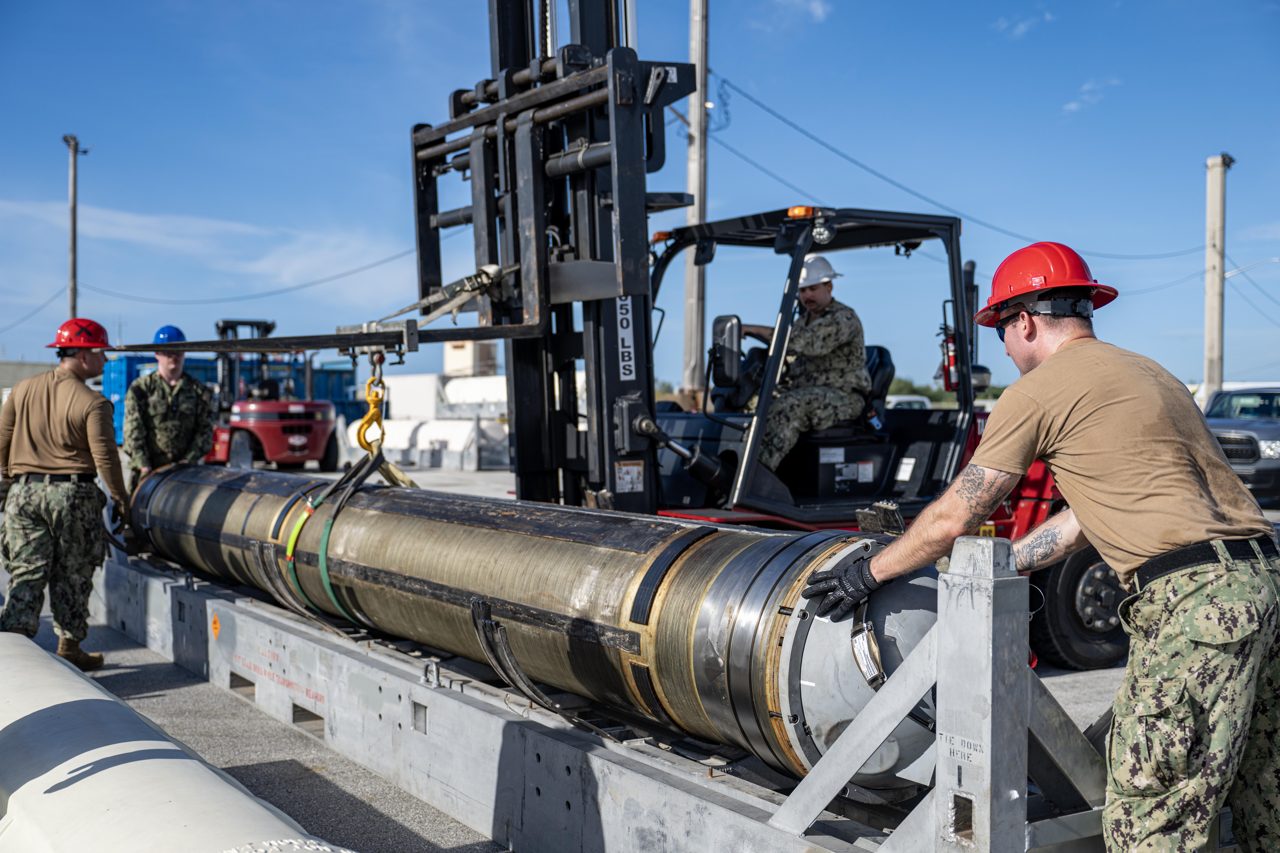
President Trump is pressing American defense contractors to rapidly expand weapons manufacturing, a move that will dictate how quickly European allies can replenish depleted stockpiles.
President Donald Trump is expected to urge top American defense executives on Wednesday to accelerate weapons production and expand manufacturing capacity, as prolonged conflicts in Ukraine and the Middle East strain United States stockpiles. Trump will make the appeal during a roundtable at the U.S. Army War College in Carlisle, Pennsylvania, capping a two-day Defense and Innovation Summit hosted by Republican Senator Dave McCormick.
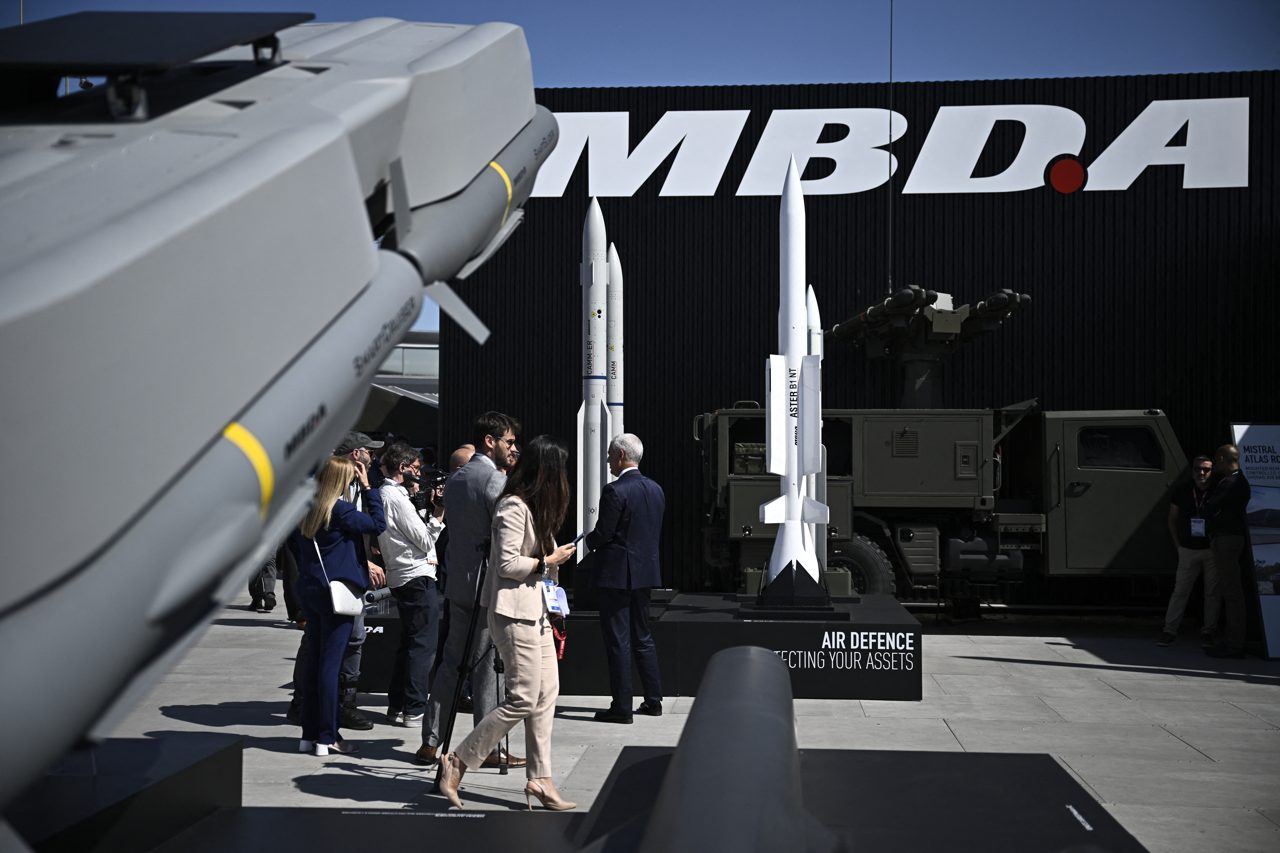
For European governments relying on American military aid, the bottleneck in the U.S. industrial base directly limits the continent's ability to resupply its own forces and support Kyiv. The United States has already transferred massive quantities of missiles, interceptors, and air-defense systems to allies. This has depleted American inventories of precision-guided munitions that European capitals cannot easily replace overnight through their own domestic production.
The urgency of the situation was made clear by Joint Chiefs of Staff Chairman General Dan Caine, who addressed the summit on Tuesday. He warned that evolving warfare requires a fundamental shift in how quickly the military and its contractors operate. “What I need you to know, and I know this is simple for me to say, but hard to do, is to go faster. Please go faster. Think bolder,” Caine told the audience of defense executives and investors.
This manufacturing push carries significant implications for European defense markets and investors. The Pentagon is actively using long-term procurement contracts to instill confidence and trigger roughly $20 billion in private investment. That capital is specifically targeted at expanding factories for high-demand weapons like Patriot missiles. “The global environment now demands that we produce at this scale, at this speed, at this volume,” said Michael Duffey, the Pentagon official overseeing weapons buying.
The scramble for production speed is also disrupting the traditional defense supply chain, particularly for critical components like solid rocket motors. Soaring demand has attracted Silicon Valley-style startups that promise high-volume, lower-cost manufacturing. These newcomers are now challenging legacy giants like Northrop Grumman and L3Harris, forcing the established companies to accelerate their own research into 3D printing and new mixing technologies to maintain their market dominance.
Ultimately, the Trump administration is treating the Pentagon not just as a military buyer, but as a primary catalyst for reviving broader American industrial capacity. For Europe, this signals a future where the United States will aggressively use defense contracts to anchor advanced manufacturing and supply chains domestically. European defense firms and allied governments must now account for a more protectionist approach to transatlantic weapons supply.