MBDA taps Airbus executive Dumont as CEO to lead missile ramp-up
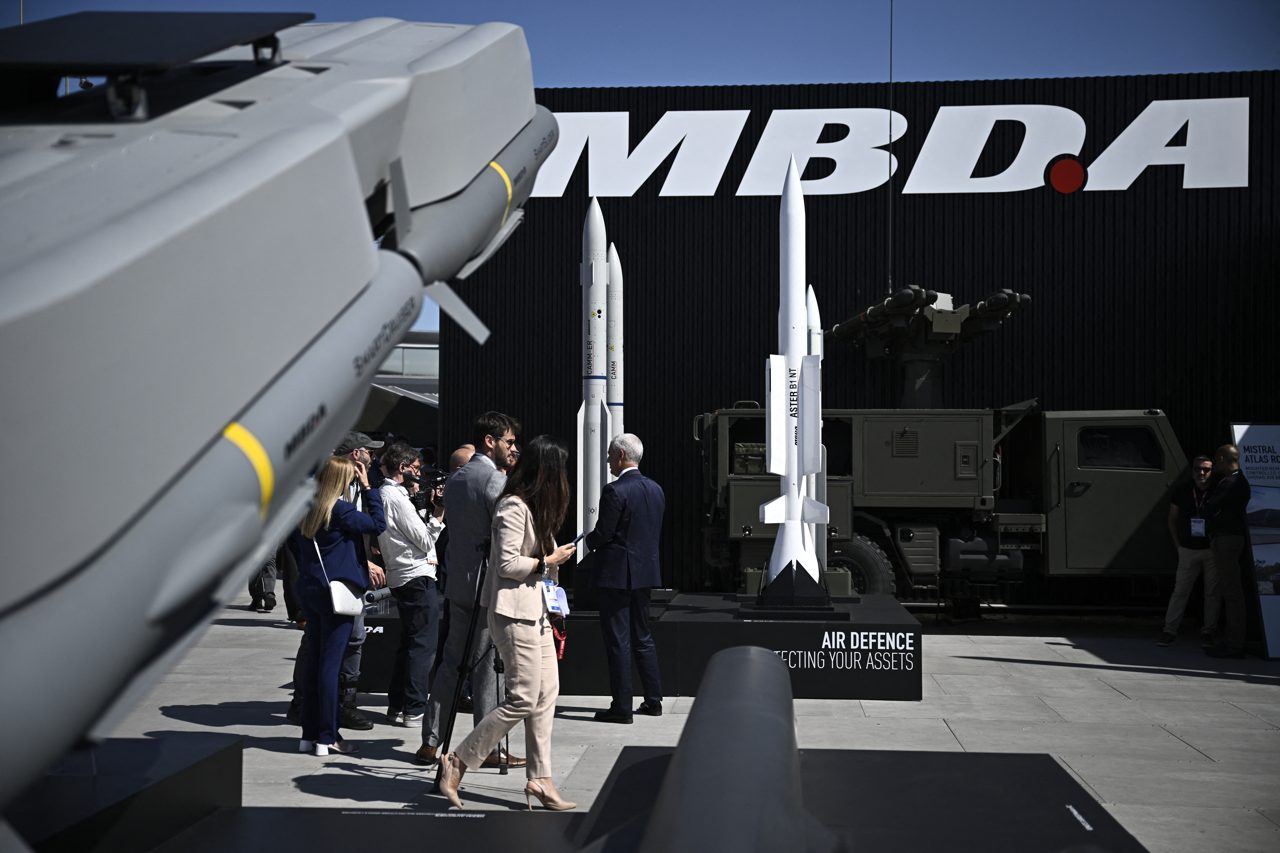
Europe's largest missile maker MBDA has named Airbus executive Jean-Brice Dumont as its next chief executive to oversee a massive production expansion driven by the continent's security crisis.
MBDA appointed Jean-Brice Dumont as chief executive, effective November 1, replacing Eric Béranger. The company will begin the handover in October to ensure what it called a seamless transition. Béranger has led the manufacturer since June 2019, but MBDA did not provide a reason for his departure.
Dumont takes control of a business fundamentally reshaped by the war in Ukraine. Under Béranger, MBDA nearly doubled its sales to €5.8 billion in 2025 and built a record order book of €44.4 billion. European governments, led by France, have heavily leaned on the company to replenish depleted missile stockpiles exposed by the conflict and Houthi attacks in the Red Sea.
The pressure to deliver is translating into unprecedented industrial spending. MBDA announced in March that it would increase investments for the 2026-2030 period to €6 billion, a massive jump from the €2.5 billion previously planned for 2025-2029. The company has already doubled its missile output between 2023 and late 2025, with an additional 40% production increase expected this year.
Dumont is well acquainted with both MBDA and the pressures of scaling defense manufacturing. He currently sits on the MBDA supervisory board representing Airbus, which co-owns the missile maker alongside BAE Systems at 37.5% each and Leonardo at 25%. At Airbus Defence and Space, he has headed air power since January 2024 following a stint leading military air systems.
A licensed French Army aviation pilot, Dumont began his career at the Directorate General for Armament in 1996 before moving to Eurocopter in 2004. “I am honored to join MBDA at a moment where the group stands at the center of the defense of Europe and its allies,” Dumont said.
The leadership change underscores the growing strategic importance of MBDA's multinational structure. By pooling the resources of France, Germany, Italy and the UK, the company allows governments to share costs while maintaining sovereign production for critical systems like the Aster interceptor, Meteor missile and Scalp cruise missile. “When I joined in 2019, none of us could have imagined what we would be faced with,” Béranger said.