Fox introduces algorithmic suspension calibration to eliminate setup guesswork
The cycling components manufacturer has introduced a data-driven calibration tool that uses rider biometrics and terrain mapping to optimize bicycle suspension, signaling a broader industry shift toward algorithmic personalization in sports equipment.
Fox has developed a new computer-based system designed to eliminate guesswork in bicycle suspension setup. The program uses rider biometrics and mathematical modeling to recommend precise component adjustments.
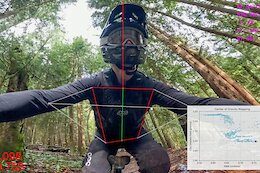
The yet-to-be-named system was developed by senior research engineer Keith Christman, alongside Jordi Cortes and Ariel Lindsley. It analyzes a rider’s weight distribution and movement vectors during a ride.
A camera mounted on the handlebars tracks the rider’s posture and links the data to GPS coordinates. The system then calculates the optimal balance, or "skew," between front and rear spring rates.
This development signals a notable shift for the sports manufacturing sector. The industry is moving away from traditional trial-and-error tuning toward scalable, data-driven customization.
For companies and investors, proprietary algorithms offer a distinct competitive advantage in a crowded market. They can reduce consumer friction and improve product performance perception by providing a scientifically validated baseline setup.
During recent testing on a Pivot Phoenix downhill bike in West Vancouver, the system recommended specific changes. It suggested a more linear rear shock setup with zero volume reducers and increased high-speed compression.
These adjustments resulted in increased usable travel for the rider. The front-to-rear balance and overall comfort were also reported to be massively improved.
Crucially, the system allows a rider’s logged weight bias to be transferred across different bicycle models. In a subsequent test on a Santa Cruz Nomad V6, the algorithm successfully identified the need for increased air pressure and fewer volume spacers to optimize ride height.
While the technology is currently being used to fine-tune setups for professional racers, its eventual consumer application could redefine how cycling brands deliver value. It transforms subjective ride feel into quantifiable, actionable data.
By removing guesswork from the equation, Fox is positioning itself at the forefront of the outdoor sports equipment market. This approach caters to a growing consumer demand for precision engineering and personalized performance.