Missile shortage forces Russia to strip defences from sub base
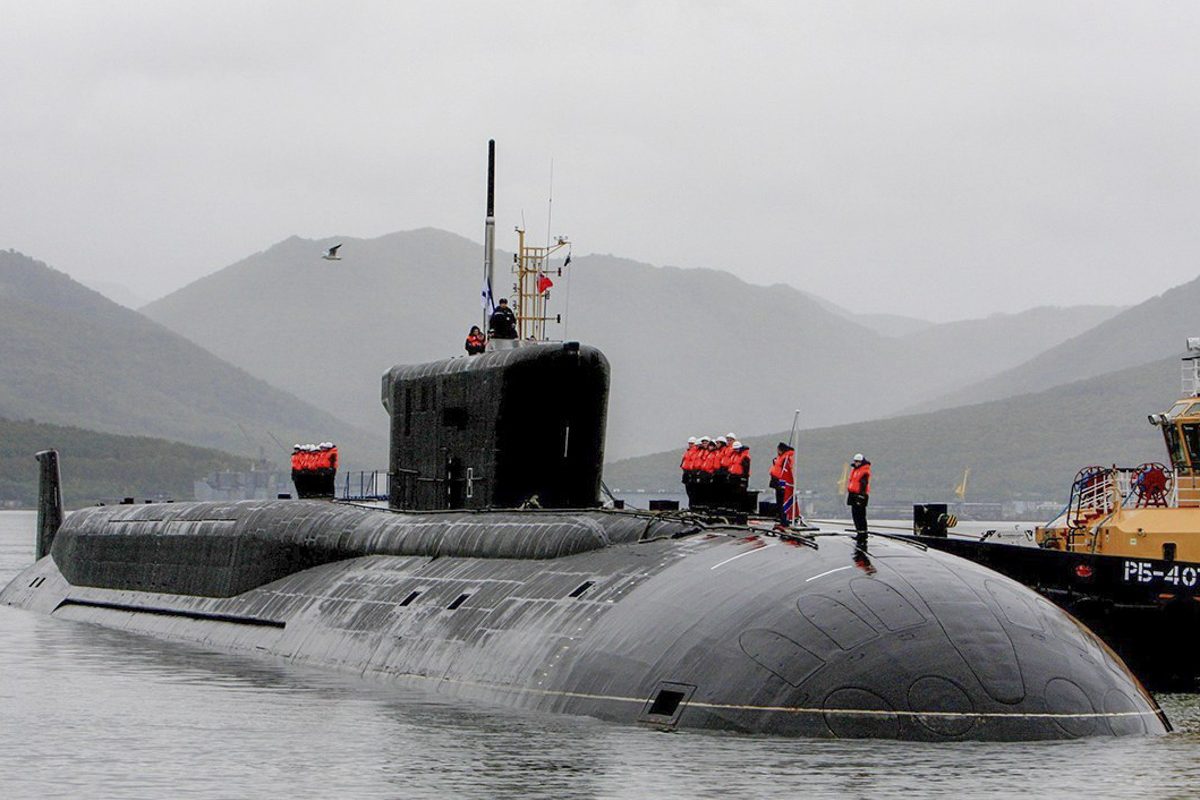
Russia is cannibalising air defences from its primary nuclear submarine shipyards to protect frontline infrastructure, exposing the limits of its military production as Ukrainian drone strikes disrupt Black Sea shipping and refineries.
Satellite imagery analysed by Norwegian researchers reveals that Russia has removed at least 20 surface-to-air missile launchers from around Severodvinsk, the headquarters of its nuclear submarine industry. The S-300 and S-400 systems, operated by the 1528th Anti-Aircraft Missile Regiment, were likely relocated to southern Russia, the Moscow region, or occupied Ukrainian territories to reinforce areas targeted by Ukrainian strikes.
Near the city are the Sevmash and Zvezdochka shipyards. Sevmash is the only facility in Russia capable of building nuclear submarines, while Zvezdochka is the largest port for their maintenance and modernisation. The decision to strip anti-aircraft assets from these strategic sites highlights a critical bottleneck for the Russian military.
"Russia is expending its stocks of surface-to-air missiles faster than its arms industry can replenish them," Norwegian expert Kristian Åtland said. Faced with hundreds of drones attacking every night, the Kremlin is prioritising the protection of political centres and active combat zones over industrial sites in the Arctic.
The movement of these northern assets to the front carries direct risks. Lieutenant Colonel Vladimir Spiridonov, an officer from the Severodvinsk regiment, was killed in Crimea on 30 April 2024 by a US-supplied ATACMS missile during a coordinated Ukrainian strike. The transfer of expensive hardware and experienced crews from relatively safe northern ports to active war zones illustrates the severe strain on Russian air defence networks.
For European markets, the erosion of Russia's air defence umbrella has tangible economic consequences. Weakened anti-aircraft cover is directly enabling increasingly successful Ukrainian attacks on Russian oil refineries. Furthermore, the inability to secure its vast territory is accelerating an asymmetric naval war in the Black Sea, directly threatening maritime shipping.
Ukraine's unmanned systems forces claim to have hit 116 Russian naval vessels in the Sea of Azov over nine days, before shifting the offensive to the Black Sea where 20 more targets, mostly tankers, were struck in a single 24-hour period. Russia has attempted to strike back, with the defence ministry claiming hits on 11 civilian cargo ships moving between Chornomorsk and Odesa over three days.
On the ground, Russian forces continue to apply pressure in the east, approaching the town of Sloviansk and degrading Ukrainian logistics through constant strikes. However, Kyiv's forces have managed a modest local advance near the intersection of the Donetsk, Dnipropetrovsk and Zaporizhzhia regions. The broader strategic picture remains defined by Ukraine's ability to stretch Russian defences beyond what its arms industry can replace.