King signs British Steel nationalisation into law
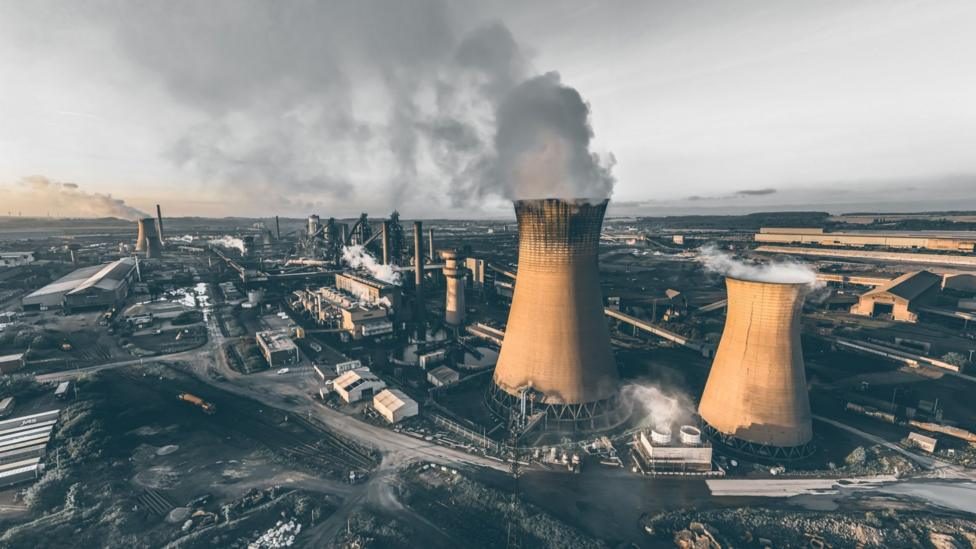
The UK government has secured the legal power to nationalise British Steel, setting up a potential compensation clash with its Chinese owner and raising fresh questions about industrial energy costs.
The King has signed the Steel Industry (Nationalisation) Bill into law, granting the UK government the power to take Scunthorpe-based British Steel into public ownership. The House of Commons approved amendments made by the House of Lords on Tuesday, finalising the legislation.
The move marks a sharp escalation in the state's involvement in the sector following emergency powers granted last year to direct the company's operations. Those previous measures prevented British Steel's Chinese owner, Jingye, from shutting down its blast furnaces, though the firm remained privately held at that time. The new law clears the path for full nationalisation.
Jingye has already started seeking compensation, having previously claimed the business was losing £700,000 a day. However, the UK government has signalled it could limit or entirely refuse any payout, setting the stage for a protracted legal and financial dispute.
Energy minister Chris McDonald told the Commons the government was "acting decisively and with a purpose in the national interest." Yet the legislation exposes deep political divides over how to sustain heavy industry. Shadow business secretary Andrew Griffith argued that "nationalisation is a bad idea," attributing the sector's struggles to Energy Secretary Ed Miliband's "addiction to ruinously high energy prices."
For local leaders in North Lincolnshire, the immediate priority is job security. Council leader Rob Waltham said the law gives a "certain future for steel-making in Scunthorpe," noting that steel is "critically important to our nation's infrastructure." He pointed out that the country cannot build or defend itself without domestic production.
However, Waltham also cautioned that public ownership alone is not a long-term solution. He warned that the government "will never have enough money to invest in what we will need to make sure we've got a sustainable steel industry going forward." The nationalisation secures the present, but the fundamental challenge of funding the industry's future remains unresolved.