Failed board bid sparks governance fight at UK lender Nationwide
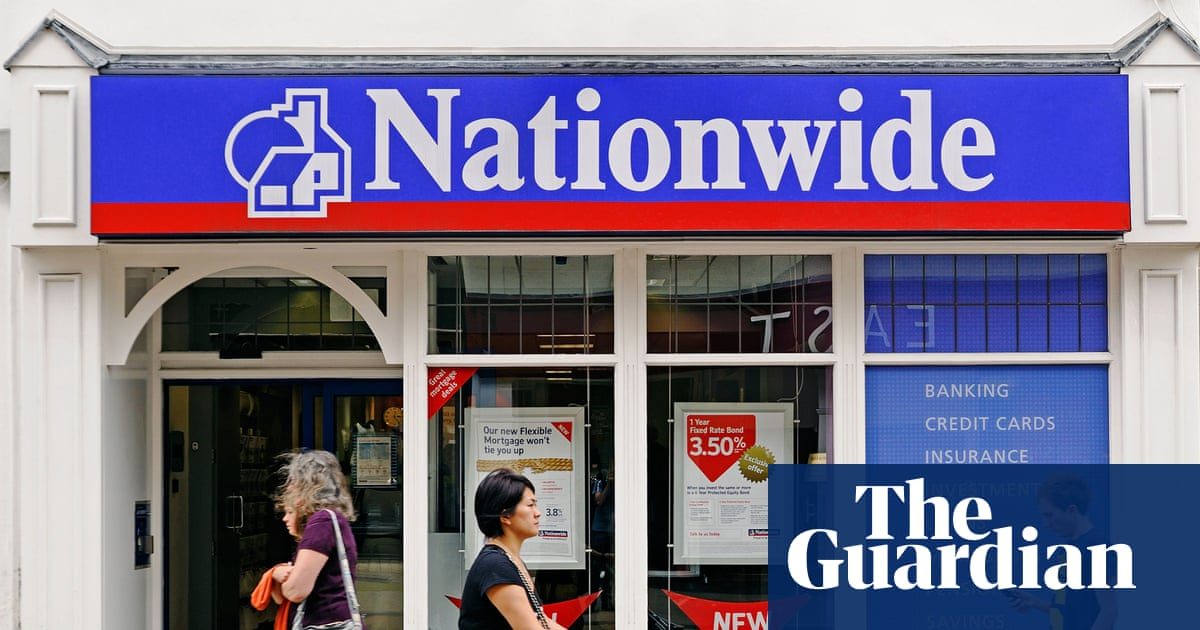
A customer’s failed attempt to join Nationwide’s board has escalated into a broader campaign to reform voting rules at the £368bn mutual, highlighting a democratic deficit in Europe's cooperative banking sector.
James Sherwin-Smith lost his bid to join the board of Nationwide on Wednesday, securing just 12.5% of the vote. The defeat leaves the £368bn building society without a customer representative on its board, a status quo the candidate is now actively trying to break.
The outcome was shaped heavily by the lender's electoral mechanics. The board vetted and rejected the former Oliver Wyman consultant, citing a lack of experience to direct a major high street lender. Because 87% of voters typically use a "quick vote" button that automatically backs all board recommendations, his path to the 50% threshold was practically blocked. Out of 19 million total members, he ultimately won the support of 75,939.
Building societies are legally required to allow customer nominations, yet no member-nominated directors currently sit on any of Britain’s 42 building society boards. The last customer director at Nationwide retired in 2002. For European observers, the dispute highlights a familiar structural friction in the mutual and cooperative banking sector, where foundational democratic ownership ideals frequently clash with modern corporate governance practices.
A push for structural reform
Sherwin-Smith is now plotting a special general meeting to force systemic changes at the 142-year-old institution. He wants to abolish the quick-vote mechanism, mandate at least two member-nominated board seats, and introduce binding votes on executive pay to match standards at shareholder-owned companies. The campaign also seeks to reinstate hybrid annual meetings and force member votes on major strategic moves, a direct response to controversies over Nationwide’s £2.9bn takeover of Virgin Money.
Executive pay remained a central flashpoint at the meeting. Members voted 95% in favour of the board’s recommended pay report, which included nearly doubling chief executive Debbie Crosbie’s pay to £4.7m. Nationwide defended the results, stating: “This year’s AGM demonstrated the strength of engagement across Nationwide’s membership, with the highest attendance in 15 years. The board’s recommendations received overwhelming support and 88% of our members decided that electing Mr Sherwin-Smith to Nationwide’s board would not be in the best interests of the society or its members.”
Despite the decisive loss, the West Sussex resident framed the result as a mandate for continued agitation. “The question is no longer whether governance at Nationwide should evolve, the question is how quickly members want that to happen,” Sherwin-Smith said. “I intend to spend the coming year helping members answer that question.” He plans to stand again in 2027 and is actively recruiting other members to challenge the board.