€850bn common debt proposal splits EU over growth
A Spanish plan for Brussels to borrow €850 billion annually has reignited the bitter north-south divide over EU fiscal policy, threatening to derail a unified response to Chinese industrial competition.
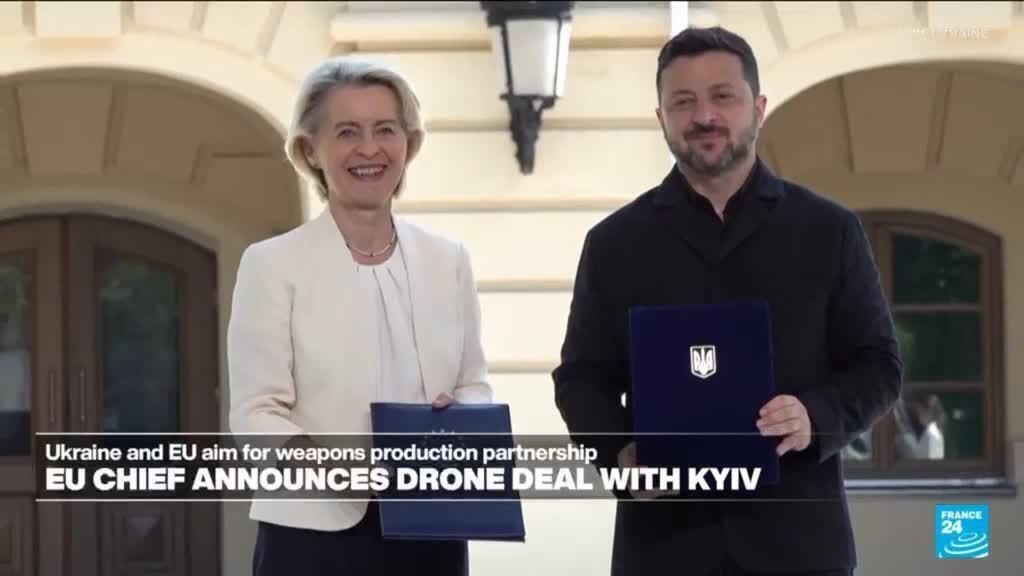
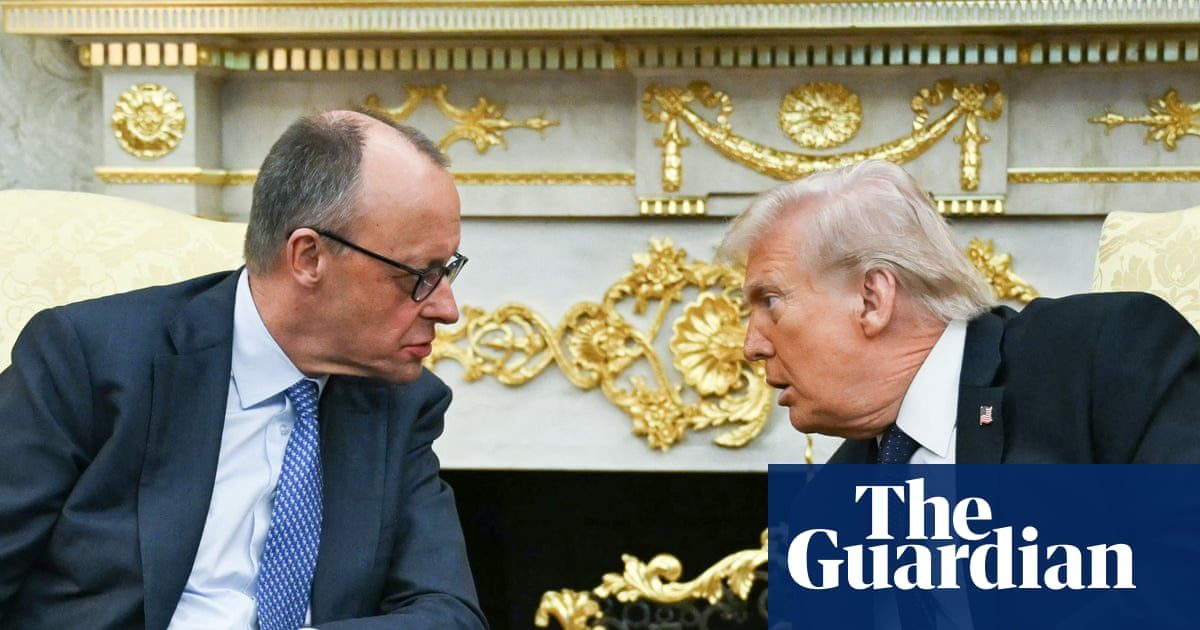
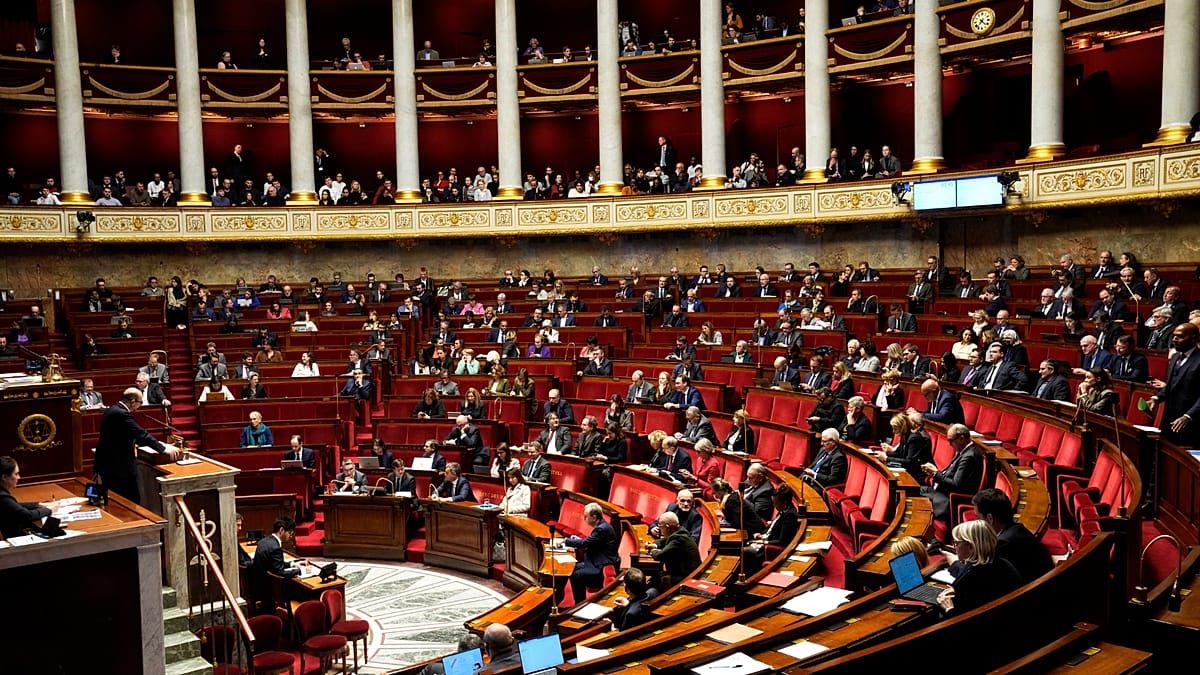
A Spanish proposal for the EU to borrow up to €850 billion a year to fund growth has immediately reopened the bloc’s deepest economic fault line. Southern states, backed by France, are pushing for joint debt to boost competitiveness. Northern governments remain vehemently opposed, demanding strict fiscal discipline instead.
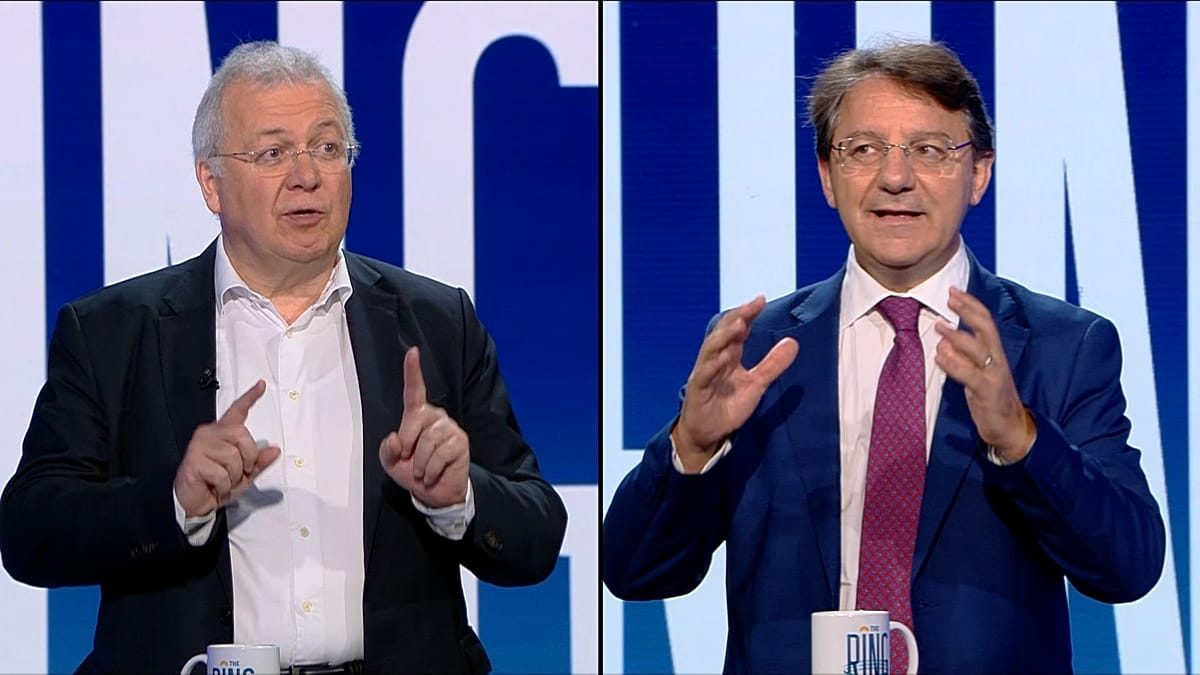
The clash was highlighted in a recent debate between lawmakers Pasquale Tridico and Markus Ferber. Tridico, an Italian MEP from the Five Star Movement, argued that public debt is “one of the most important tools for economic growth.” He urged the bloc to look beyond solidarity and accept common borrowing as a structural necessity. “We need to accept common debt. It is not a matter only of solidarity, it is a matter of a well-built economy,” Tridico said.
Ferber, a German Conservative, countered that additional borrowing would simply add unsustainable pressure to public finances without fixing the root causes of stagnation. He warned that financial markets would punish the EU if it took on more debt. The bloc is already attempting to delay repayments on its Covid-era joint borrowing, known as Next Generation funds. “I wish you all the best to go to the market asking for money,” Ferber said. “But refinancing, repayment, sorry, the market will ask for high interest rates.”
The external threat
Despite their opposing fiscal prescriptions, both lawmakers agreed that European industry faces an existential threat from abroad. Chinese industrial overcapacity, fueled by state subsidies, is flooding the bloc with cheap exports. The European Commission has set an October deadline to secure "tangible" results in negotiations with Beijing before deciding on a firmer response.
Ferber argued that Europe already possesses the leverage needed to counter Beijing without taking on massive new debt. He pointed to the EU’s Single Market, noting that internal barriers currently act as a massive tax on European business. “We are not doing enough (on China) because we are not using the only asset we have, which is the Single Market,” he said, estimating that these internal obstacles have an economic impact equivalent to a 45% tariff on intra-EU trade.
The dispute underscores a critical dilemma for Brussels. Policymakers agree that Europe must invest heavily to survive the industrial transition. Yet without a consensus on whether that capital should come from shared debt or national spending reforms, the bloc risks entering any trade confrontation financially fractured.