OpenAI adds World Cup betting odds to ChatGPT in first prediction market deal
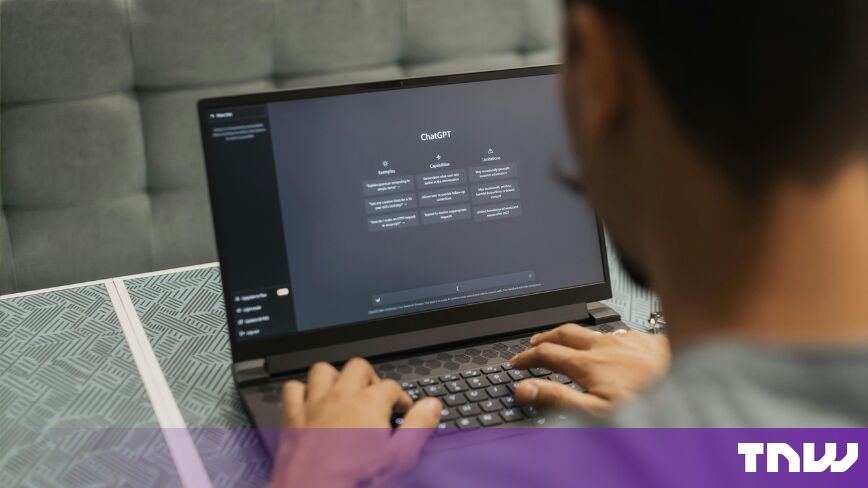
OpenAI is integrating real-time betting odds from regulated exchange Kalshi into ChatGPT, signaling how prediction markets are quietly becoming a standard data layer across mainstream technology platforms.
OpenAI has started displaying real-time World Cup prediction market odds from Kalshi inside ChatGPT. This marks the AI company’s first partnership with a regulated betting exchange.
Users asking about upcoming 2026 FIFA World Cup matches are shown win probabilities, such as France at roughly 60 percent against Spain, or England at 55 percent against Argentina. The data carries a "Source: Kalshi" label but strips away the exchange's branding and provides no links to place bets.
The integration adds a new category of data to ChatGPT’s search results, which recently incorporated shopping and advertising features. Situating betting odds inside an AI chatbot used by over a billion people weekly treads a fine line between providing information and promoting gambling. OpenAI has addressed this by limiting the feature to World Cup queries and adding a disclaimer that users "cannot place bets through ChatGPT."
Neither company has promoted the integration publicly, and OpenAI has not disclosed whether money changed hands or if the arrangement involves revenue sharing. The rollout coincided with the tournament's semifinals, underscoring the massive audience driving these platforms.
This move reflects a broader push by prediction markets to embed themselves in mainstream information flows. Rival platform Polymarket secured an exclusive deal with Dow Jones in January to supply data to the Wall Street Journal, Barron's, and MarketWatch. Kalshi partnered with CNN in late 2025, where anchor Harry Enten used the data on air, and has also seen its odds integrated into Google Search and Google Finance.
Kalshi has positioned itself as the institutional-grade option in this space, leveraging its status as a platform regulated by the US Commodity Futures Trading Commission. The company has raised roughly $1 billion at a $22 billion valuation. Sports have driven this growth, becoming the most heavily traded category on both major platforms this year, with the World Cup generating record trading volumes.
For investors and regulators, the rapid normalization of prediction markets presents a complex challenge. While platforms argue their contracts offer superior real-time probabilistic data, the sector faces ongoing scrutiny. State regulators have challenged both Kalshi and Polymarket over certain contract types, and Google’s decision to ban prediction market browser extensions starting in August highlights the tension between tech platforms and the betting-adjacent data they now routinely distribute.