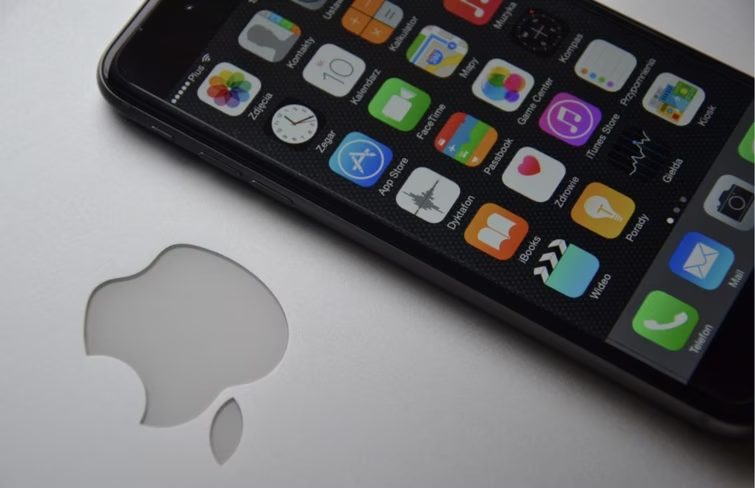
Apple lifts AppleCare+ prices as AI memory shortage spreads
Apple has increased the cost of its device insurance plans, a sign that the global memory chip shortage driven by AI infrastructure is now pushing up prices across the entire consumer technology sector.
Apple has raised the monthly cost of its AppleCare+ subscriptions for Macs and iPads by 50 cents, with annual plans increasing by five dollars. The higher rates apply exclusively to new customers, leaving existing subscribers on their current pricing.
Under the updated structure, a monthly AppleCare+ plan for a 13-inch MacBook Air now costs roughly eight dollars, up from seven dollars and 50 cents, while its annual equivalent rose from roughly $75 to $80. The price change does not affect AppleCare One, a separate service launched last year that costs roughly $20 per month and covers up to three devices.
The adjustment extends a pattern of hardware price increases that has accelerated throughout the year. Last month, Apple raised prices across its Mac, iPad, Vision Pro, HomePod, and Apple TV lineups, with some products jumping by hundreds of dollars. The company also entirely scrapped the $599 Mac Mini earlier this year after DRAM costs rendered that price point unsustainable.
The root cause is a massive reallocation of global memory production toward artificial intelligence infrastructure. According to Counterpoint Research, memory prices have roughly quadrupled over the past three quarters. Manufacturers like Samsung, SK Hynix, and Micron have shifted their capacity to produce the high-bandwidth memory chips required for AI servers, leaving less supply for standard consumer electronics.
In June, chief executive Tim Cook warned that price increases were “unavoidable” because of the global memory chip shortage. Industry observers expected this pressure to remain confined to physical devices, but extending it to warranty and support services marks a new phase in the supply chain squeeze.
Apple has spent years building its services division into a $100 billion annual revenue stream, largely because subscription revenues are not subject to the same manufacturing volatility as hardware. When a company of that scale begins passing raw component costs onto service subscriptions, it demonstrates that the AI-driven memory shortage has penetrated every layer of the technology stack.
For the European market, where Apple maintains a significant share of both consumer and enterprise device sales, these increases will raise the total cost of ownership for Mac and iPad users. Furthermore, with iPhone prices widely expected to climb when new models arrive in September, the era of stable pricing for premium consumer electronics appears to be over.