Ukraine oil strikes cost Russia $13.5bn, shift US stance
Ukraine's intensive 40-day campaign has disabled over 40% of Russia's oil refining capacity, triggering domestic fuel shortages and helping to reverse the US administration's sceptical stance on Kyiv's war effort.
Kyiv has sharply escalated long-range attacks on Russian oil refineries, military sites and major cities under the banner of a "40-day campaign". The operations have moved the war deep into Russian territory, disrupting critical energy infrastructure in Moscow, St Petersburg and the Baltic coast.
The economic toll on Russia's war machine is mounting rapidly. By 5 July, Ukraine's general staff claimed to have disabled 42.74% of Russia's oil refining capacity, hitting eight refineries in a single month and destroying more than 60 storage tanks. The cumulative industry losses have reached $13.5bn.
Recent targets officially attributed to the campaign include the Saki and Gvardeyskoye airfields in Crimea, a St Petersburg oil terminal, the Yaroslavl refinery north-east of Moscow, and the Vysotsk seaport on the Baltic.
Domestic fallout and political timing
This physical damage has translated into immediate disruption for Russian consumers. Petrol stations are experiencing lengthy queues, with some Russians resorting to sleeping in their cars for days. In occupied Crimea, strikes on supply bridges have caused power cuts, effectively placing the peninsula under siege.
The campaign carries deliberate political timing ahead of Russian Duma elections in September. Orysia Lutsevych, head of the Ukraine Forum at Chatham House, notes the 40-day framing is an Orthodox Christian reference to purgatory. "The message is that we already think of you as dead. Now it is your decision whether to save yourselves or not," she says.
The strikes are also straining domestic politics. The Institute for the Study of War has observed that ultranationalist commentators are turning on the Kremlin, blaming the federal government for failing to protect critical infrastructure from drone flights over the capital.
Shifting the transatlantic dynamic
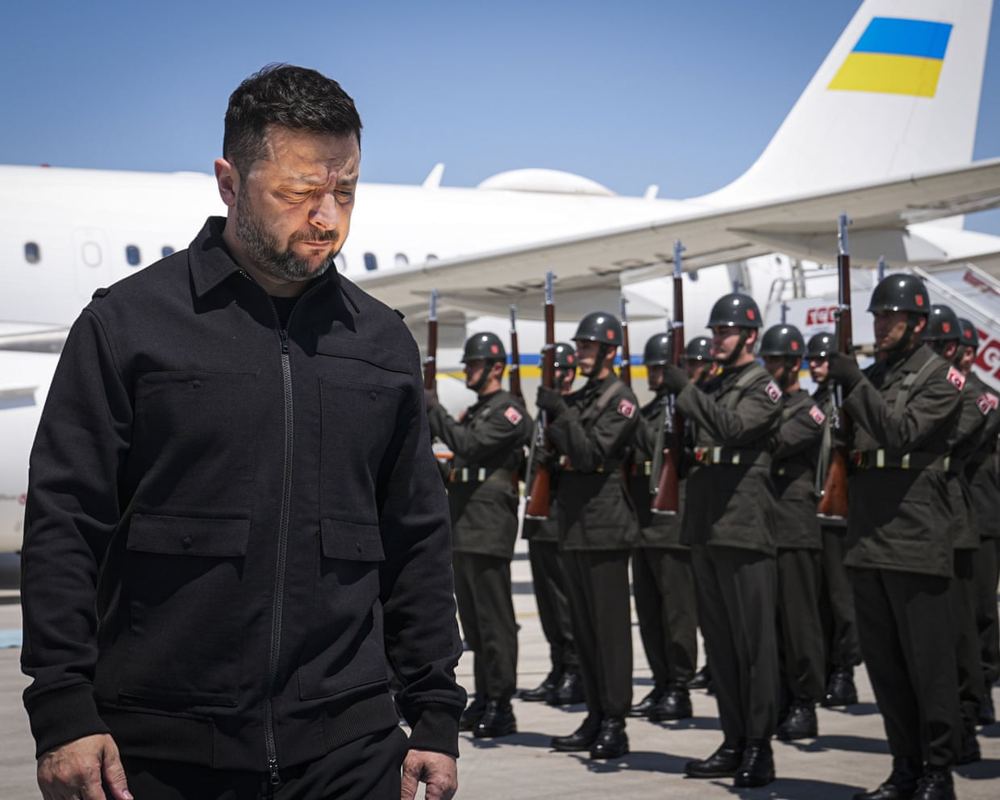
For European allies, the campaign's most significant outcome may be its effect on Washington. Lutsevych suggests the strikes helped shift the Trump administration's posture from the February 2025 Oval Office confrontation to last week's Nato summit in Ankara. There, the US president suggested Kyiv could produce Patriot missile interceptors under licence.
"That was the biggest visible success of Ankara. It is psychologically important because before it would have seemed unbelievable that the US would give Ukraine the licence for such a sophisticated weapons system," Lutsevych said.
The operations show no signs of halting. Denys Shtilerman, chief designer and co-founder of Ukraine's missile producer Fire Point, suggested new ballistic missile strikes on Moscow could begin in September. "First is Moscow ... where the military facilities are protected. The most important thing is that I am practically 100% certain they won’t be able to intercept effectively," he said.