Kyiv hit by missiles as Ukraine strikes Russian oil shadow fleet
Russia's ballistic missile attack on Kyiv and Ukraine's retaliation against Russian oil tankers underline the growing pressure on Europe to expand its domestic arms manufacturing and secure post-war security guarantees.
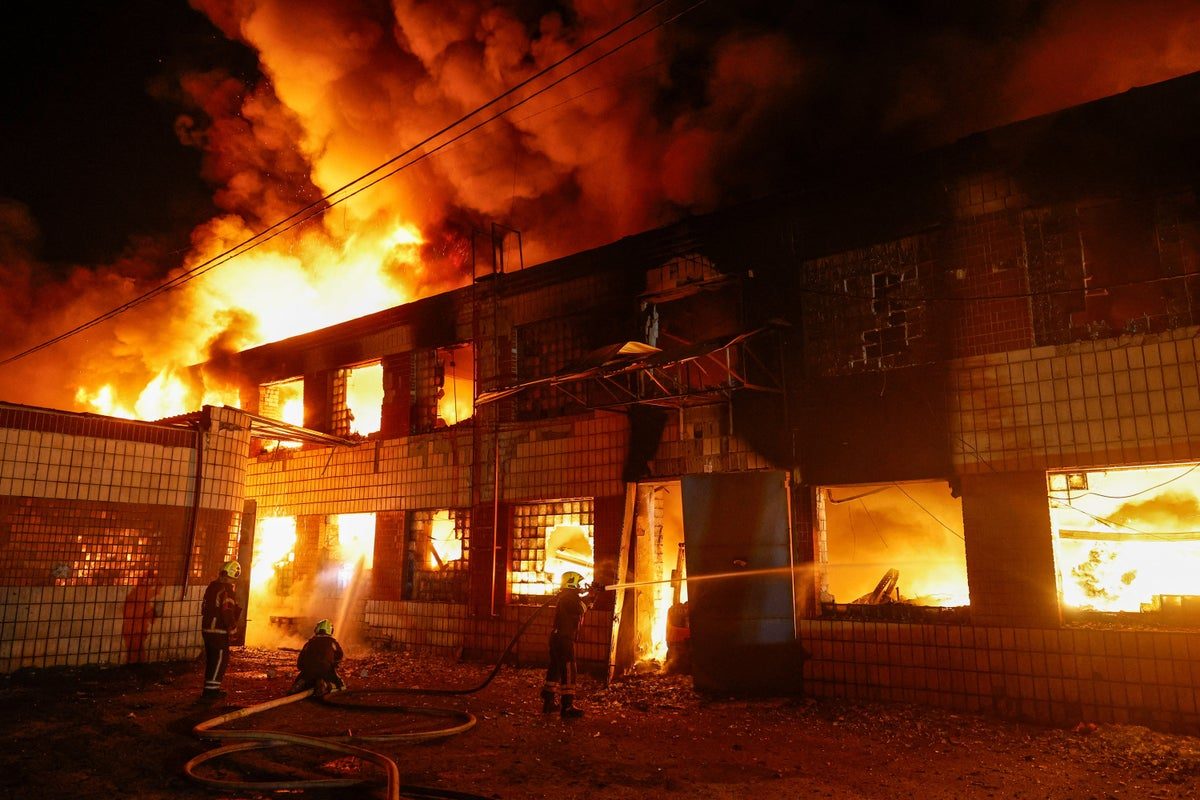
At least eight Russian ballistic missiles struck Kyiv overnight, killing two people and wounding six, including a 16-year-old boy. The attack, which damaged warehouses and non-residential buildings, coincided with waves of Shahed drones targeting multiple Ukrainian cities.
The broader bombardment killed at least 14 people nationwide, with the Black Sea port of Odesa hit for the fifth consecutive day. Russia's defence ministry acknowledged striking Odesa, stating it intentionally targeted port infrastructure used for unloading petroleum, oil, and lubricants.
Ukraine retaliated by attacking the infrastructure Moscow relies on for those exports. The Security Service said it used naval drones to hit two Russian "shadow fleet" tankers in the Black Sea, part of a wider overnight operation that Ukrainian forces said struck 20 Russian vessels, including 17 oil tankers.
European defence industrialisation accelerates
The sustained combat is forcing a rapid expansion of European weapons manufacturing. Britain has shipped the first four of 150 planned artillery barrels to Ukraine under a £61m contract with state-owned Sheffield Forgemasters, marking the first time in nearly two decades the UK has forged such barrels.
Working with BAE Systems, Sheffield is producing roughly eight 105mm and 155mm barrels a month to replace those worn out by sustained front-line use. Parallel efforts are underway in Ukraine, where President Volodymyr Zelensky said the country expects to produce Patriot missiles by year-end and is developing a launcher for the European anti-ballistic project Freyja.
Securing long-term economic stability
Expanding defence output is directly tied to shielding European economies from the war's fallout. During a final visit to Kyiv before handing power to Andy Burnham, outgoing British Prime Minister Keir Starmer linked continued military backing to the economic pressures felt by "families in Britain who have felt the cost of this war through rising prices."
Starmer pledged "cast-iron" support for Ukraine would "always endure," citing investments in defence and war-fighting technologies. However, securing a post-war settlement remains fraught. Russian foreign ministry spokesperson Maria Zakharova warned that any troops deployed by Western allies under a proposed post-ceasefire coalition would be treated as "legitimate military targets," a stance that will test European unity as Kyiv undergoes a major government reshuffle, including the appointment of Naftogaz chief Sergii Koretskyi as prime minister.