xAI sues user over Grok images in landmark AI liability test
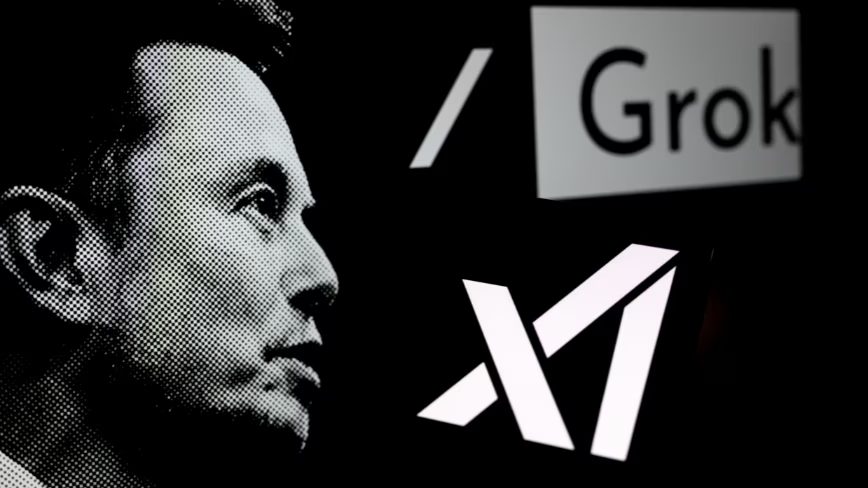
xAI has filed its first lawsuit against a user for generating illegal images, a legal strategy designed to shift responsibility from the developer to individuals as European regulators tighten rules on AI outputs.
xAI filed a 12-page complaint in a federal court in Texas on Tuesday against Terry Harwood, a South Carolina man already facing criminal charges for sexually exploiting minors. The company accuses Harwood of using false identities and manipulating prompts to force Grok to convert non-sexual photographs into child sexual abuse material. xAI is seeking monetary damages and a permanent ban from the platform.
The filing marks the first known instance of an AI developer suing a user over content its own system produced. xAI’s legal argument relies on a specific technical claim: that Grok’s moderation guardrails actively refused the initial requests, and that Harwood simply rephrased his prompts until he broke through. This is a deliberate attempt to relocate legal liability from the algorithm to the person at the keyboard.
To support its claim of robust moderation, xAI disclosed internal enforcement figures for the first time. The company stated it suspended more than 52,000 accounts and filed over 73,000 reports with the National Center for Missing & Exploited Children in 2026 alone, leading to roughly 250 arrests.
This aggressive stance directly contradicts the position xAI is taking in European courts. The company is currently a defendant in a London High Court claim brought by Labour MP Jess Asato, a consumer protection lawsuit in Baltimore, and a criminal investigation in Paris where Elon Musk has declined to cooperate. In those jurisdictions, plaintiffs are arguing the exact opposite: that the developer must answer for what its users create.
The Texas lawsuit arrives as regulators across Europe assess whether general-purpose AI models that can be bypassed by determined amateurs should be publicly deployed at all. The EU recently agreed to a ban on non-consensual intimate deepfakes, raising the commercial stakes for how liability is ultimately assigned to tech platforms.
While xAI frames the Texas suit as routine enforcement, it strategically produces a defendant who is not the company itself. Whether European courts accept this division of responsibility will dictate the regulatory risk for every AI firm operating on the continent.