UK nationalises British Steel to avoid G7 virgin steel isolation
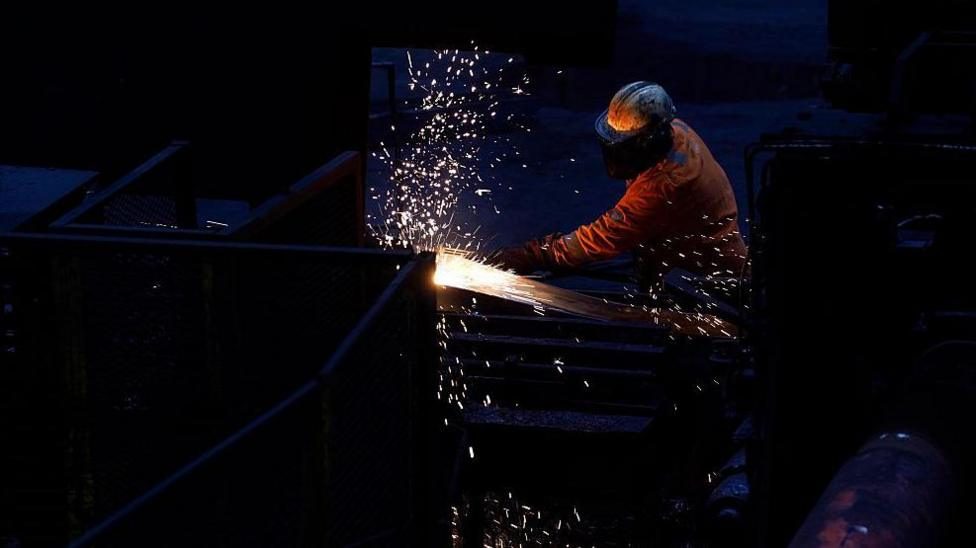
The UK government has nationalised British Steel, stepping in to prevent the country from becoming the only G7 nation unable to produce virgin steel and highlighting Europe's mounting struggle to keep heavy industry competitive.
The UK government has taken British Steel into public ownership, seizing control of the Scunthorpe plant from its Chinese owner, Jingye Group. The intervention comes after legislation passed just a day earlier granted London the power to nationalise critical industries.
The move follows Jingye’s warning in April 2025 that it would close the site’s last two blast furnaces. Allowing the furnaces to die would have permanently ended the UK’s ability to produce virgin steel. This primary material, extracted directly from iron ore, is essential for major construction and rail infrastructure.
Losing that capacity would have left the UK as the only member of the G7 without virgin steel production, a scenario the government views as a direct threat to economic security. For European neighbours, the intervention underscores the extreme lengths states are now willing to go to keep heavy industry alive. It highlights the broader continental struggle to balance decarbonisation costs with competition from cheap imports.
Parliament passed the "Steel Act" on Wednesday, providing a legal framework for the takeover. "The Steel Act gives us powers to nationalise steel companies where it's necessary in the public interest, to protect a foundation industry that supports our critical national infrastructure, economy and defence," a Department for Business and Trade spokesperson said.
Keeping the Scunthorpe furnaces lit comes at a steep price. The National Audit Office reported in March that the site costs the government roughly £1.3m a day. Jingye, which claims the operations were losing £700,000 daily, has begun seeking compensation, though the government has signalled it could limit or refuse any payout.
"British Steel now belongs to the British people, and our focus is on the future: stabilising the business, backing the communities that rely on it and building a sustainable, competitive and decarbonised steel sector for the years ahead," Business Secretary Peter Kyle said. The site employs about 2,700 people directly and supports a wider supply chain in north Lincolnshire.
Prime Minister Sir Keir Starmer framed the decision as a necessary step to reindustrialise Britain. "Today's decision secures the future of steelmaking in the UK, protects skilled jobs and safeguards a vital national capability," he said. The government has stated that a strong domestic steel sector is "critical" to reducing its reliance on overseas supply chains for strategically important materials.