EU stalls on Russian oil sanctions as Kyiv reshuffles defence and energy
The European Union has failed to agree on a new round of Russian oil sanctions, risking an automatic price cap increase that would benefit Moscow just as Kyiv replaces its defence and energy leadership.
The European Union has failed to finalise its 21st round of sanctions against Russia, leaving the bloc's strategy to restrict Moscow's oil revenues in jeopardy. EU ambassadors extended the current price cap of $44.10 per barrel on Russian oil until 23 July to allow for further negotiations. If member states cannot reach a compromise, the cap will automatically rise, boosting Vladimir Putin’s revenues precisely as Middle East turmoil pushes global oil prices higher.
Such an outcome would deal a severe blow to European credibility. The deadlock highlights persistent divergences among the 27 member states. France and Italy objected to a proposed ban on ex-Russian combatants entering the EU, while Germany forced the removal of restrictions on Russian cod and pollock imports. Bulgaria successfully lobbied to protect Patriarch Kirill from sanctions.
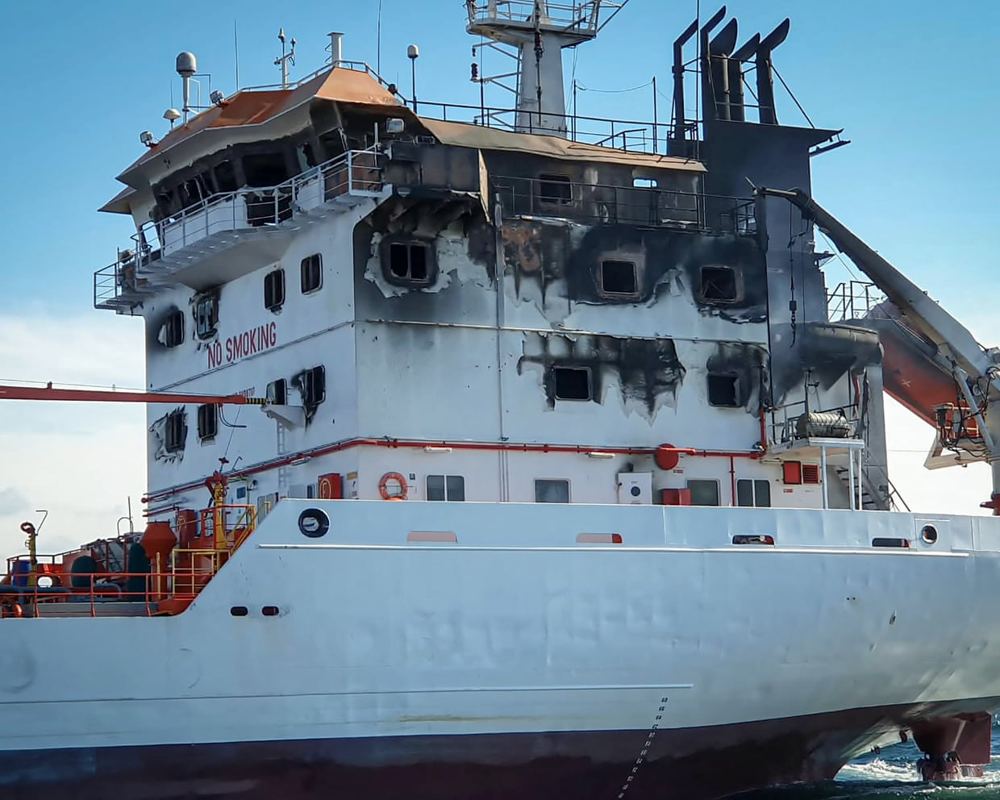
Volodymyr Zelenskyy urged the EU to look beyond internal disputes. "We must be very persistent and remember that it’s not only EU leaders who grow tired of adopting sanctions, of finding compromise and balance, Russia gets tired of every such package," the Ukrainian president said. Overnight, Ukraine's military demonstrated its alternative pressure tactic, striking six Russian tankers and two tugboats used to transport sanctioned oil and military fuel.
These developments unfolded against a turbulent political backdrop in Kyiv. Sergii Koretskyi, the former chief executive of state energy giant Naftogaz, was confirmed as Ukraine's third prime minister since the 2022 invasion, replacing Yulia Svyrydenko. Zelenskyy justified the appointment by stating the immediate priority was preparing for winter, making the energy executive the most qualified candidate.
However, the reshuffle also saw the dismissal of defence minister Mykhailo Fedorov. His six months in office coincided with a dramatic improvement in Ukraine's battlefield position, characterised by long-range drone attacks on Russian refineries that caused nationwide fuel shortages. Fedorov, 35, claimed his procurement reforms saved the state budget billions of dollars, and on his final day announced a successful test of a domestic ballistic missile at a 30% cost reduction.
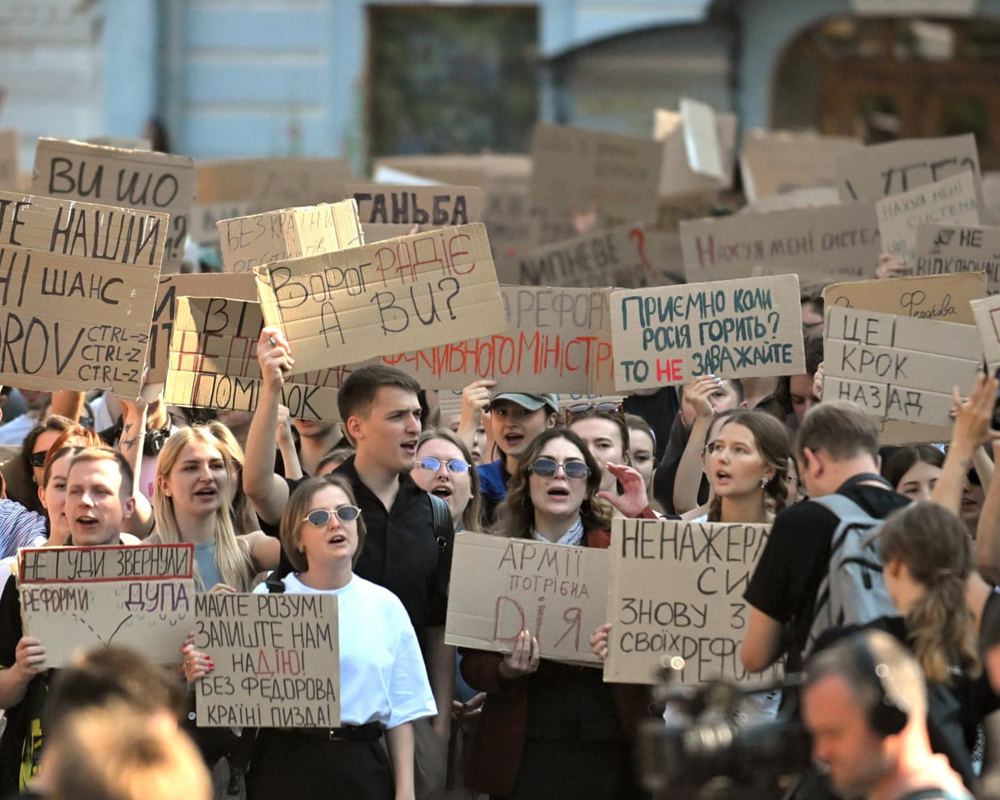
The sacking triggered rare public dissent, with over 1,000 protesters gathering outside the presidential office holding placards demanding the commander-in chief resign. Demonstrators accused Zelenskyy of yielding to corrupt, Soviet-style forces to eliminate a popular political rival. The unrest created an uncomfortable setting for British Prime Minister Keir Starmer, who arrived in Kyiv for a farewell visit, with crowds noting he must address the controversy if he harbours future ambitions to lead NATO.
Tech liability shift
In Luxembourg, the European Court of Justice ruled that Google can be held legally liable for content on YouTube produced by commercial partners. The court rejected Google's claim to safe harbour as a passive intermediary, noting that reviewing channel themes and metadata for partnership contracts constitutes specific knowledge of the content. The judgment upholds a 2022 Italian fine of €750,000 issued over YouTube videos promoting illegal online gambling.