Fiscal constraints blunt EU’s €150bn defence loan programme
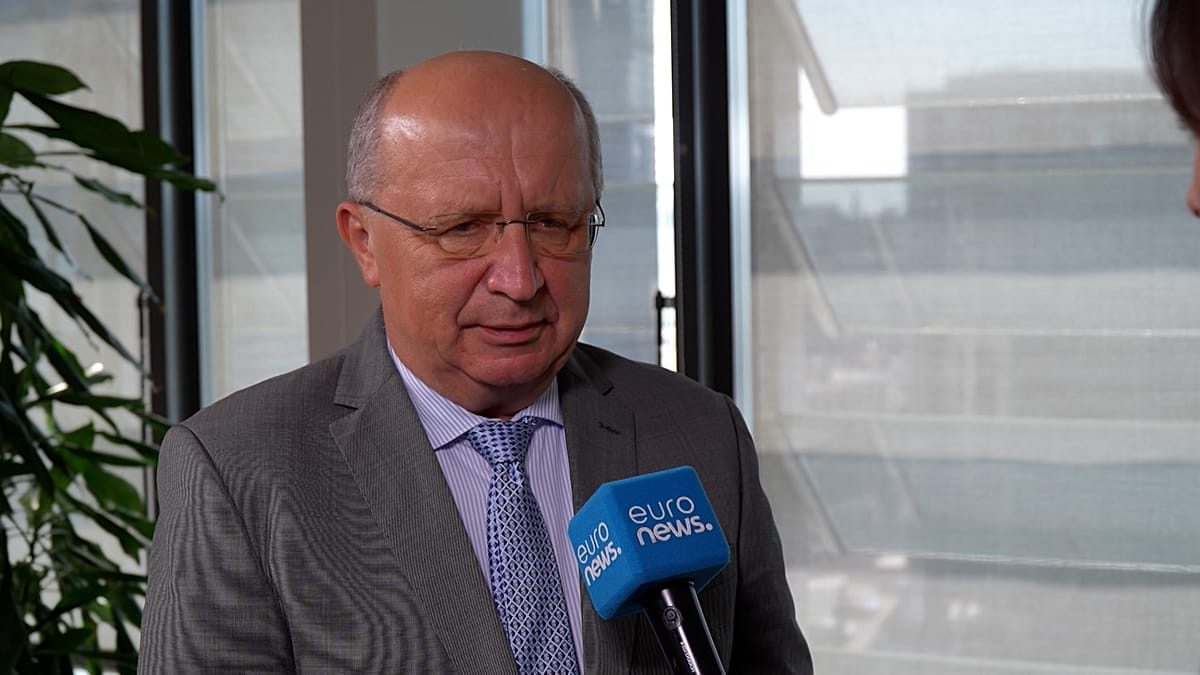
European Commissioner Andrius Kubilius has warned that domestic budget limits are forcing several EU countries to scale back their requests from the bloc’s €150 billion rearmament programme, undermining efforts to ready the continent’s defences by 2030.
The EU’s ambitious push to rearm itself by 2030 is hitting a snag as member states scale back their borrowing from a flagship defence loan initiative. Andrius Kubilius, the European Commissioner for Defence, said 19 countries have had their loan agreements endorsed but some are now reducing their initial ambitions.
“Some countries are a little bit more cautious to take the money,” Kubilius said. “Usually, the reason is the fiscal situation, or fiscal limits in the country, so that is what we see.” This reticence comes despite warnings from national security agencies that the continent’s military readiness could be tested by foreign aggression within the next six years.
Political friction is also complicating the rollout of the Security Action for Europe (SAFE) loans. Poland secured the programme's largest allocation of approximately €43 billion, but only after President Karol Nawrocki of the conservative Law and Justice party claimed the terms would impinge on national sovereignty. Romania also faced internal disputes over allocation and airspace incursions before finalising a roughly €16 billion package.
The burden of spending the SAFE loans is falling disproportionately on Europe's eastern flank. An accumulated €12 billion in loans has been allocated to the Baltic states of Latvia, Lithuania and Estonia, heavily prioritising drone and anti-drone capabilities. Kubilius noted that these frontline nations have taken the “biggest responsibility to spend SAFE loans”.
Shifting procurement patterns
The funding strains emerge as the EU attempts to sustain Ukraine's war effort. The bloc is providing a €90 billion loan to Kyiv, with €60 billion earmarked for defence, alongside a new drone deal announced during European Commission President Ursula von der Leyen's visit this week. Kubilius argued that Ukraine's recent deep strikes against Russian maritime vessels and energy infrastructure have strengthened Kyiv's leverage.
“It's remarkable what Ukraine managed to achieve during the recent half a year with deep strikes,” he said, adding this should compel Vladimir Putin towards “real negotiations on just peace”.
Geopolitical uncertainty from the United States is further complicating Europe's security calculus. Kubilius responded to Donald Trump's renewed pledge to control Greenland by stating the EU's support for Denmark is absolute, while dismissing the American president's public statements as sometimes “emotional”. “We need to learn how to mitigate on our side, our reactions,” he said.
This shifting transatlantic dynamic is already reshaping European defence procurement. Following Trump's earlier rhetoric, Denmark announced in April it would buy the French-Italian SAMP/T NG ground-to-air missile system rather than the American Patriot alternative. France and Italy have also placed orders, and Ukraine joined the list on Monday. Kubilius emphasised that while procurement remains a national decision, the EU wants its loan money directed towards domestic industry. “When we are using European Union money, with SAFE loans and so on, we want that member states should spend those money more for European products,” he said.