Leaked files show how farm lobby gutted EU green laws
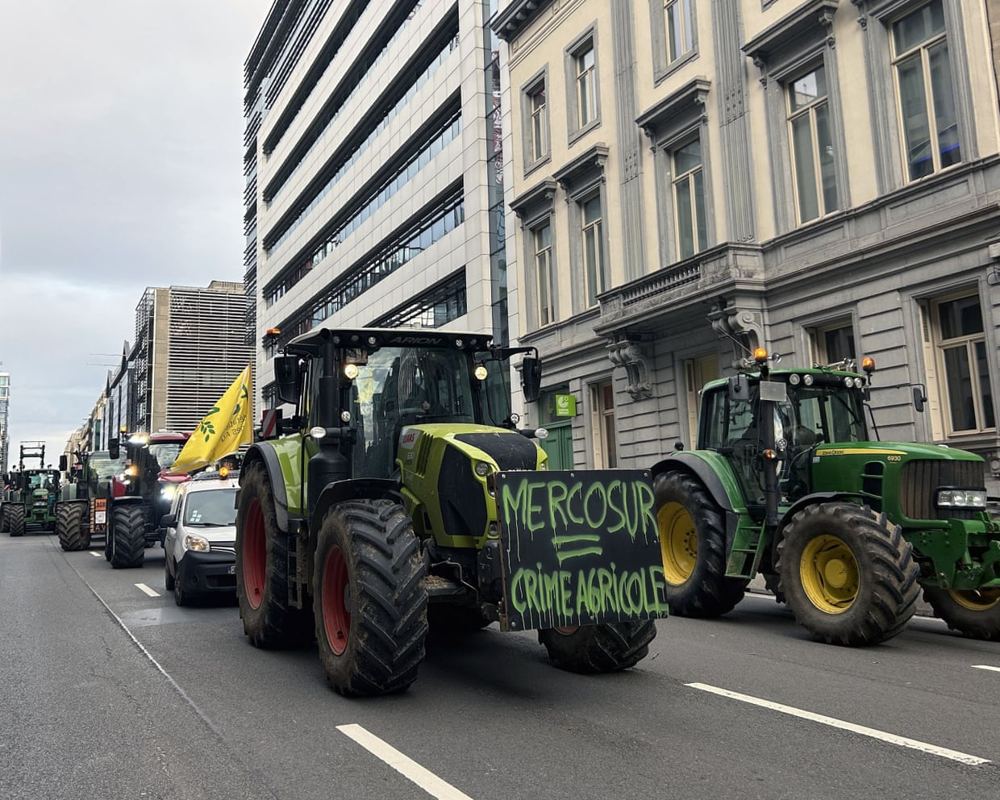
Internal documents reveal how Copa Cogeca systematically dismantled pesticide and factory farm regulations, exposing a regulatory process skewed toward industrial agriculture at the expense of public health and small farmers.
Internal documents from Copa Cogeca, the lobby group representing 22 million European farmers, reveal a years-long campaign to dismantle the EU’s flagship environmental farming reforms. The leaked files show the group used deliberate delays, back-channel pressure and coordinated influence to gut rules on pesticides, industrial emissions and animal welfare.
A central target was the EU’s plan to cut pesticide use by half to protect biodiversity. According to meeting minutes from September 2022, the group strategised to delay the regulation until the European parliament elections, explicitly aiming to force the European Commission to abandon its objectives. The lobby successfully demanded a new impact assessment, slowing the policymaking process by six months, before the law was ultimately withdrawn in February 2024. The group also pressed national governments to support the licence renewal of glyphosate, a chemical classified as probably carcinogenic by the World Health Organization.
The economic impact of this lobbying extended beyond chemical sales to public health costs. Documents show Copa Cogeca successfully lobbied to raise the threshold for what constitutes an industrial farm by 50% before the proposal was even made public. Analysis indicates this single regulatory change cost the public €1.8bn a year in lost health benefits. The final industrial emissions directive excluded cattle entirely and significantly raised thresholds for pigs and poultry.
The group also intervened to protect meat markets. When the European Commission proposed restricting hundreds of millions of euros in promotion funding from red and processed meat, Copa Cogeca mobilised wine and alcohol lobbies to pressure governments until the health criteria were quietly dropped. On animal welfare, the group’s public stance contradicted its private admissions: internally, officials acknowledged the industry could end caged farming immediately if financially supported, yet publicly they demanded a 15-year transition period.
The success of these tactics raises fundamental questions about the direction of European agricultural policy and regulatory predictability. Thomas Waitz, a Green MEP, accused the group of acting for large agrichemical multinationals rather than small farmers. Marco Contiero of Greenpeace EU noted the lobby chose to shield highly industrialised operators responsible for a disproportionate share of pollution. As the EU now debates removing periodic safety reassessments for pesticides already on the market, German MEP Delara Burkhardt warned that the goal of big agribusiness is not simplifying the Green Deal, but dismantling it.