Poland indicts Ukrainian teen paid by Russia to stoke ethnic tension
An 18-year-old Ukrainian has been indicted in Poland for carrying out Russian-funded sabotage to exploit historical wounds, highlighting Moscow's escalating use of disposable agents to destabilise its neighbours.
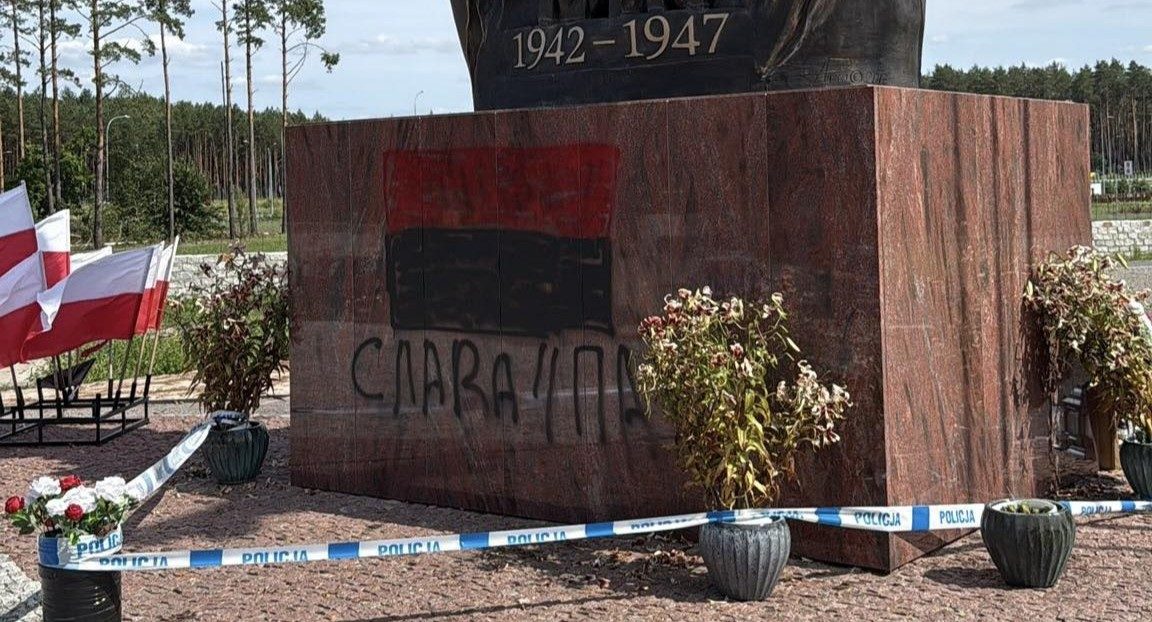
Polish prosecutors have indicted an 18-year-old Ukrainian, identified as Illia K., on 47 counts of subversion and sabotage carried out on behalf of Russian intelligence. The suspect allegedly painted pro-Ukrainian Insurgent Army (UPA) graffiti at 45 locations, including a monument to Polish victims of wartime massacres and a memorial to the Warsaw Ghetto Uprising. Prosecutors stated the campaign was designed to incite hatred on national grounds and deepen antagonisms between Poles and Ukrainians.
Prosecutors said Illia K. acted for financial rather than ideological reasons, receiving payment in cryptocurrencies via the messaging service Telegram. This marks him as a typical "disposable agent", an amateur recruited online by Moscow, a tactic Russian intelligence increasingly relies upon to execute hybrid operations without risking trained operatives.
The UPA remains a profound historical flashpoint between Warsaw and Kyiv. Poland recognises the wartime slaughter of around 100,000 Poles by the group as genocide, while Ukraine rejects that label and continues to honour the UPA's fight for independence. These grievances caused a diplomatic crisis in May when President Volodymyr Zelensky named a military unit after the "heroes of the UPA", prompting President Karol Nawrocki to strip him of Poland’s highest honour.
Beyond the graffiti campaign, Illia K. faces charges of participating in an organised criminal group and preparing to fly a drone over Poland’s Armed Forces Day parade in Warsaw last year, an event attended by President Nawrocki. He has pleaded not guilty after initially admitting to the charges, and faces up to life in prison if convicted. The suspect has been held in pretrial detention since his arrest by the Internal Security Agency last August.
This case underscores a broader hybrid threat targeting European social cohesion. According to the International Centre for Counter-Terrorism, Poland is now the "primary focus of Russian activity" regarding sabotage. Foreign minister Radosław Sikorski has warned that Moscow is "waging a full-scale cognitive war against us" driven by a "Russian fifth column", prompting security services to urge Ukrainians not to act as paid agents.