Oak raises $60M to secure AI agent and machine identities
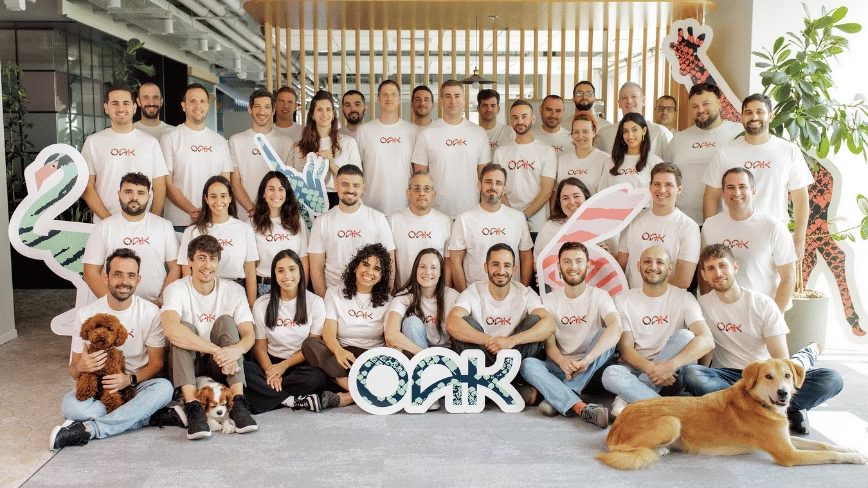
Israeli cybersecurity startup Oak has raised $60 million to build a unified identity system for humans and AI agents, addressing a critical security gap as autonomous bots increasingly infiltrate corporate networks.
Oak, an Israeli cybersecurity firm emerging from stealth, has secured a $60 million seed round co-led by Accel, Greylock, and CRV. It is one of the largest seed rounds ever for an Israeli cyber company. The startup already employs roughly 50 people and counts enterprise customers among its early clients.
The company is building what it calls an "identity operating system." Most businesses currently rely on a fragmented patchwork of legacy tools designed only for human employees. Oak’s software instead creates a real-time map of every identity accessing a system, whether that is a staff member, a machine, or an AI agent, and automatically revokes unused access.
The urgency behind this funding is driven by the rapid proliferation of artificial intelligence. As agents increasingly operate autonomously within corporate networks, traditional access controls are failing. Security researchers have already demonstrated that poorly managed AI agents can be manipulated into leaking proprietary code or executing ransomware attacks.
Identity security has consequently become a fiercely contested sector. Palo Alto Networks recently agreed to acquire CyberArk, underscoring the strategic market value of controlling digital front doors. For European enterprises integrating AI into daily operations, the inability to govern machine identities represents a critical compliance and operational risk.
Oak’s market entry is backed by a notable track record. Chief executive Shai Morag has previously built and sold three security companies, including Ermetic, which Tenable acquired for $265 million in 2023. His past exits total approximately $500 million.
Morag is positioning Oak to capture a consolidating market. “Our vision is to be born as a giant,” he said, adding that he told his wife the company would be his last. “I will go big or go home.” He estimates the eventual winners in unified identity security will be worth “tens and even hundreds of billions.”