Hungary’s Szijjártó leaves politics for Chinese EV maker BYD amid Fidesz turmoil
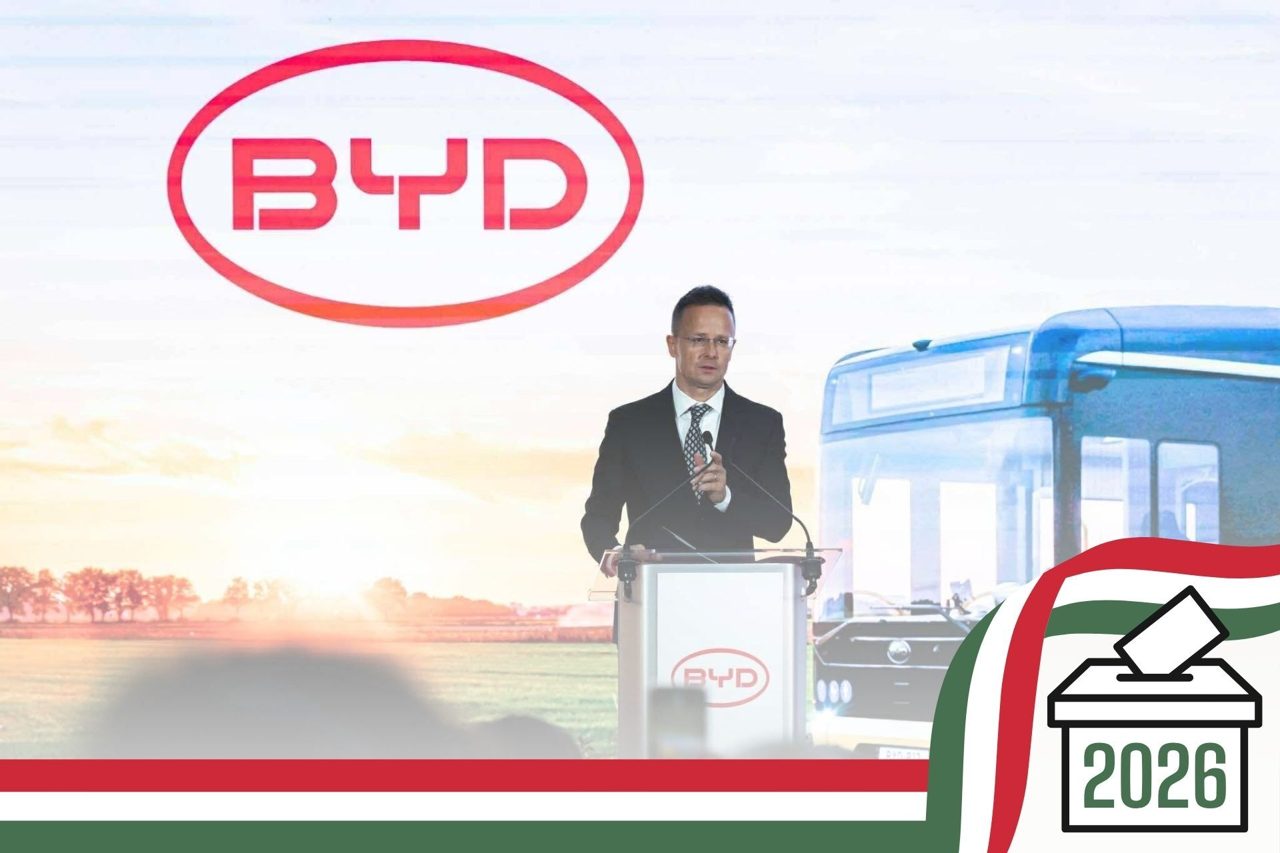
The departure of Hungary’s former foreign minister to a major Chinese electric vehicle manufacturer highlights the unraveling of the ruling Fidesz party and raises fresh questions about Beijing’s growing economic footprint in Europe.
Péter Szijjártó, Hungary’s former foreign minister, has announced his departure from politics to become an executive for international relations and new business divisions at the Chinese electric vehicle manufacturer BYD. Consequently, he will resign his parliamentary seat, marking a major exit for one of the most recognizable figures in Hungarian politics.
Prime Minister Viktor Orbán publicly endorsed the move, writing, “The transfer of the summer goes to BYD. Good luck, Péter!” However, behind the scenes, the ruling Fidesz party is grappling with severe internal strain just 95 days after its election defeat.
Fidesz communications director Bertalan Havasi acknowledged the party’s condition is “not good, and chaotic in places,” though he insisted Orbán is working to stabilize the situation. Conversely, opposition figure Péter Magyar, whose popularity is currently soaring, condemned the move, stating Szijjártó “never represented Hungary's interests, only those of foreign powers.”
Szijjártó’s transition to the private sector carries substantial geopolitical and economic weight for the European Union. As a principal architect of Hungary’s “Opening to the East” policy, he spent years lobbying at the EU level against tariffs on Chinese products, arguing that close economic ties with Beijing served the bloc’s competitiveness.
This political shift occurs against the backdrop of massive Chinese industrial expansion in Hungary. Backed by a €1bn Chinese loan and tens of billions of forints in state subsidies, BYD recently opened its first European manufacturing facility in Szeged.
Furthermore, the company announced in 2025 that it would establish its European corporate and research-and-development headquarters in Budapest. Szijjártó’s new role places a former senior European official directly inside the leadership structure of a firm heavily subsidized by the Hungarian state.
The disintegration of Fidesz’s leadership now threatens to complicate the governance of these strategic foreign investments. With Orbán’s unpopularity reaching record highs and the prospect of a party split emerging, the stability of Hungary’s economic alignment with China faces an uncertain political environment.