OpenAI expands into physical merchandise with ChatGPT basketball
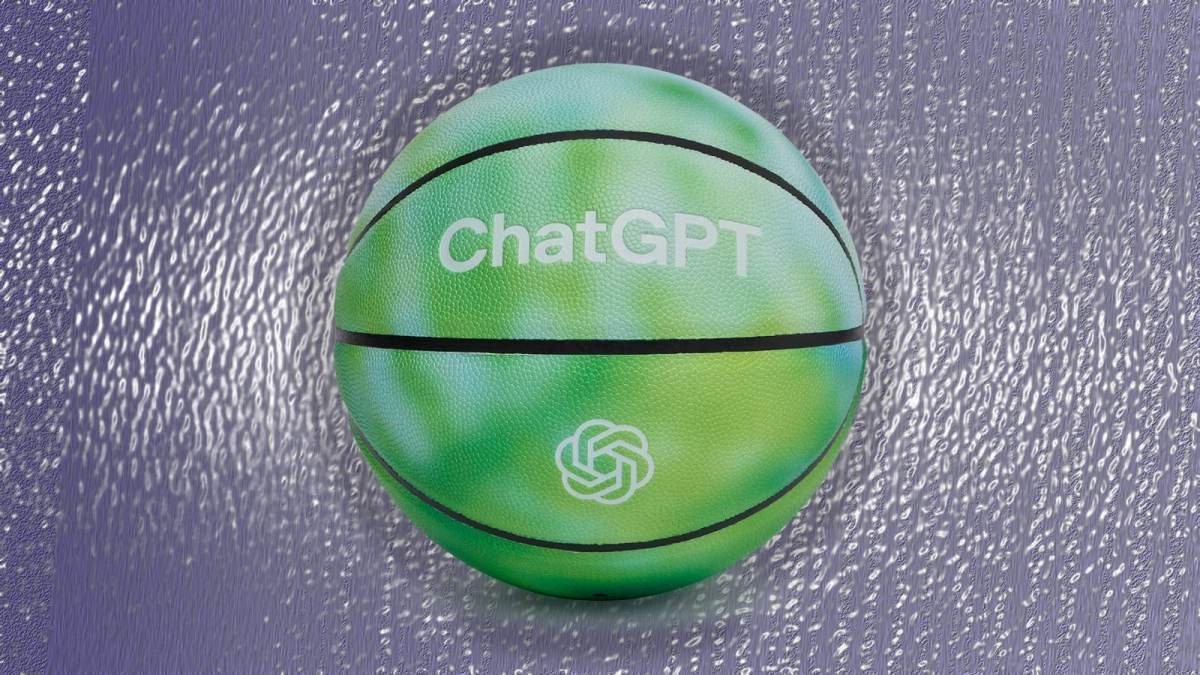
OpenAI has launched a $70 rubber basketball and a line of branded apparel, a curious pivot for the AI giant that signals an ambitious push into consumer lifestyle branding.
OpenAI has expanded into physical merchandise, launching a $70 rubber basketball alongside its first piece of hardware, a $230 mini keyboard. The company markets the keyboard as a "command center for agentic work."
The basketball is part of an initiative branded as the "Pause. Play. Prompt." campaign. According to the product listing, the item is "a physical reminder that creativity doesn’t just live on our screens." The 100% rubber construction makes the ball suited for outdoor play.
The sporting goods are accompanied by a line of branded apparel. The clothing features phrases like "Good research takes time," a message that sits awkwardly against a tech sector driven by rapid iteration. The collection also includes a $175 quarter-zip bearing the word "research" in cursive. OpenAI notes that the garment "features a crisp collar that reminisces on our days in academia."
A questionable brand strategy
For European investors and tech executives, this merchandising push represents a notable pivot in commercial strategy. OpenAI is attempting to transition from a builder of foundational software into a mainstream consumer lifestyle brand. Building that kind of cultural footprint requires a completely different operational playbook than selling enterprise API access.
The timing of the strategy is also curious. The AI industry is not known for its intuition regarding physical product-market fit. Attempting to cultivate the kind of devoted brand following seen in traditional tech hardware giants is difficult, and a rubber basketball is an unconventional tool for the job.
Furthermore, the move raises questions about capital allocation at a time when computing costs are soaring. European businesses tracking OpenAI's trajectory will likely view this lifestyle expansion as a curious sideshow rather than a serious business development. It suggests the company's ambitions now extend well beyond the data center, for better or worse.