Microsoft rebuilds security business around AI, cuts staff
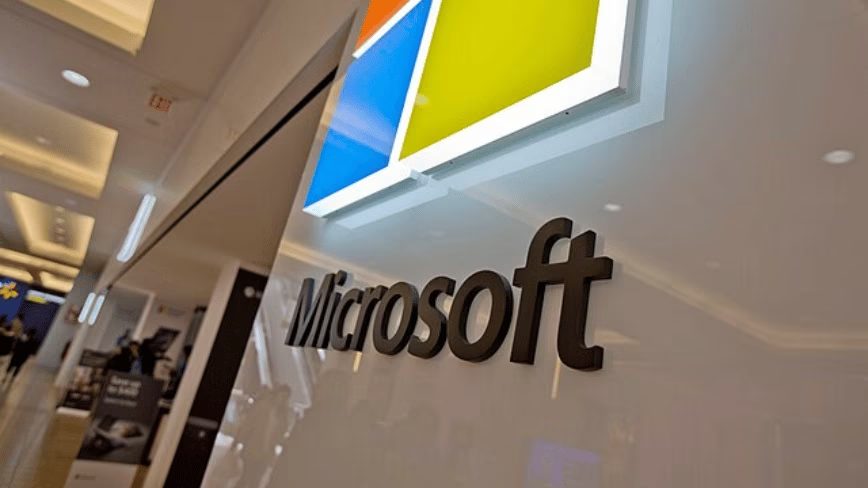
Microsoft is restructuring its dominant cybersecurity division around artificial intelligence and cutting hundreds of jobs to stop corporate spending from flowing to AI startups.
Microsoft is restructuring its dominant cybersecurity division around artificial intelligence, cutting hundreds of jobs and merging engineering teams to prioritize automated defences over traditional software.
The overhaul is a direct response to a shifting market where corporate security budgets are increasingly flowing to AI labs like Anthropic and OpenAI. As the world's largest seller of cybersecurity software, Microsoft is moving to defend its enterprise market share against the very startups it helped fund.
Hayete Gallot, who took over the security unit in February and reports to Satya Nadella, is driving the changes. In an internal memo, she told staff that “the entire industry is getting reimagined from the ground up.” She added that after making strategic choices months ago, “now we must execute,” a mandate that has already pushed out several senior executives.
Fighting fire with fire
The new product focus is built on using AI to fight AI. Microsoft is heavily pushing Security Copilot, a tool that scans code for flaws, alongside products designed to monitor a company's internal AI agents for trouble.
Monitoring autonomous agents has become a critical priority. As businesses delegate more tasks to independent AI systems, each agent creates a fresh entry point for attackers. Microsoft intends to sell the guardrails for this emerging architecture.
To consolidate its offering, Microsoft recently folded its threat-intelligence tools into a single Defender portal and introduced new expert-led Defender services. The company has explicitly coached its sales teams to position Microsoft as a cheaper, more secure, all-in-one alternative to standalone AI labs.
This pivot arrives as AI demonstrates an ability to find software flaws faster than human engineers, a reality highlighted by OpenAI's recent demonstration of an in-house AI hacker. For corporate technology buyers, Microsoft is making a straightforward bet: that it can sell the security cure faster than its rivals can sell the AI disease.