Google AI Mode updates to complete tasks across third-party apps
Google is transforming its AI Mode from a search tool into a transactional hub by integrating third-party apps, a shift that intensifies its rivalry with OpenAI and Anthropic to capture consumer spending.
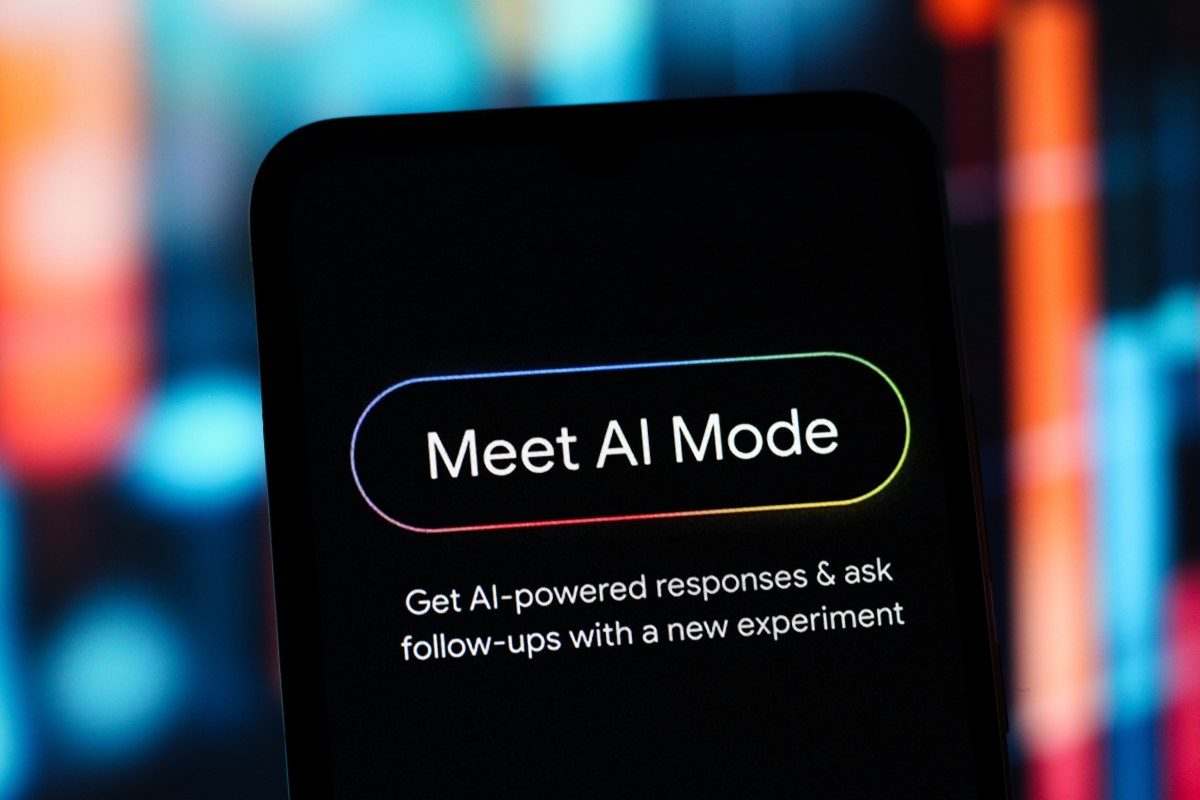
Google announced on Thursday that its AI Mode now allows users to connect directly to third-party applications to complete tasks. The initial rollout supports Instacart, Canva, and YouTube, enabling users to add groceries to a shopping cart, view design templates, or save playlists without leaving the conversational interface.
This update marks a strategic shift for the search giant, moving beyond answering queries to executing transactions. For European businesses and investors, this signals the accelerating transition away from traditional web search as a primary digital gateway. Regional e-commerce platforms and app developers will face increasing pressure to integrate with AI assistants rather than relying solely on conventional search engine optimization.
The feature is a direct response to OpenAI’s ChatGPT and Anthropic’s Claude, both of which already support app integrations. By embedding these capabilities into its existing search ecosystem, Google is attempting to defend its core business from AI competitors that are rapidly positioning themselves as the new entry point for online consumer activity.
Google demonstrated the feature by describing how a user planning a barbecue could generate a grocery list and push the ingredients straight to an Instacart checkout. The company noted it is working with additional partners to expand the app ecosystem soon.
The update is currently rolling out exclusively to users in the U.S. However, the trajectory has clear implications for the European market, where regulators are already scrutinizing how major tech platforms control app ecosystems and direct digital traffic.
Since its launch in early 2025, AI Mode has rapidly evolved through a series of incremental updates. Google previously introduced "Personal Intelligence," which pulls context from users' Gmail and Google Photos to deliver individualized responses. More recently, the company added the ability to check local store inventory and browse the web side-by-side with AI while preserving conversational context.
These latest integrations build on a capability introduced at Google I/O earlier this year that connected third-party apps to the Gemini app. Taken together, the updates outline Google's broader strategy to lock users into an AI-driven environment that handles everything from information retrieval to purchasing, fundamentally reshaping the digital economy.