UK to merge 134 English councils into 38 unitary authorities
The UK government is overhauling local government across 14 areas of England, merging councils to cut duplication and drive regional economic growth under Prime Minister Andy Burnham's devolution agenda.
The UK government will replace district and county councils with single unitary authorities across 14 areas of England, reducing 134 existing councils down to 38. Elections for the new authorities are scheduled for next May, with the reorganised councils becoming fully operational by 2028.
The restructuring forms the administrative backbone of Prime Minister Andy Burnham’s agenda to devolve power away from Westminster and Whitehall. By aligning municipal boundaries with actual local economies rather than historic administrative lines, the government aims to unlock housing construction and stimulate regional economic growth. This new structure is designed to pave the way for a network of new regional mayors with expanded powers.
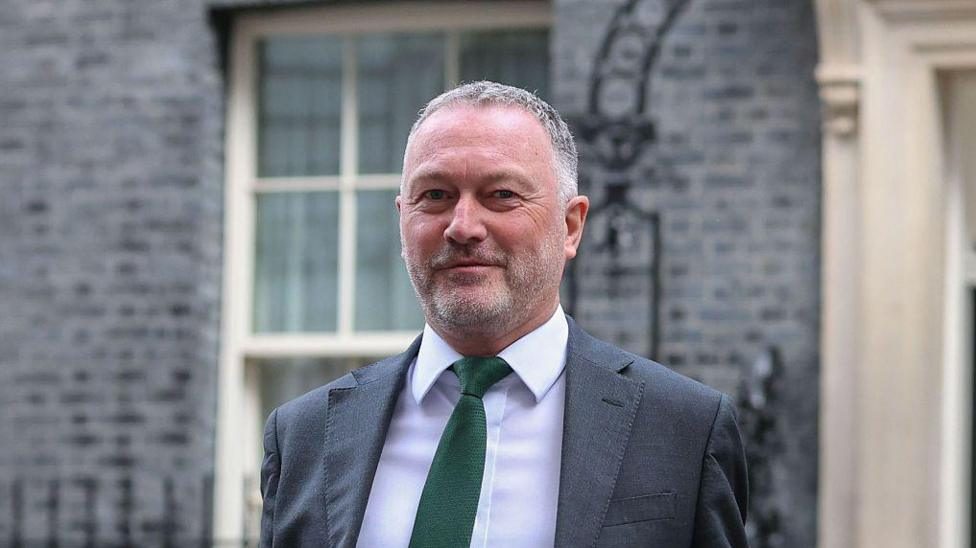
Steve Reed, the secretary of state for housing, communities and local government, argued that the current two-tier system forces wasteful duplication. He said the reforms will allow councils to tailor public services to specific community needs.
"Some of our smaller cities are highly productive, but have been constrained by tight boundaries, set decades ago, which stop them from building the homes they need," Reed said. "Others are more rural, with significant demand for social care services and affordable housing."
The overhaul covers a wide geography, including Devon, Kent, Gloucestershire, and Warwickshire. However, decisions on Cambridgeshire, Peterborough, and West Sussex have been delayed while the government seeks more time. To manage the transition, the government has earmarked more than £1m for each of the newly created councils.
Despite the financial buffer, the tight timeline has triggered warnings about the strain on public services. Sean Matthews from the County Councils Network cautioned that splitting services and redrawing boundaries on this scale will ultimately cost local taxpayers more. He warned that new rural councils could be left most exposed to additional costs and service disruptions.
The political reaction has been fiercely opposed. James Cleverly, the shadow secretary of state, accused the government of gerrymandering for party advantage. "These top-down changes are purely partisan," he said. "Steve Reed is once again fiddling with democracy." The Liberal Democrats echoed these concerns, describing the process as chaotic and accusing ministers of arbitrarily dividing communities.
The reforms are also facing legal hurdles. The government is already confronting court challenges over previously announced council reorganisations in Essex, Hampshire, Norfolk, and Suffolk. Even within the ruling Labour party, there is unease. Jo White, the MP for Bassetlaw, warned that dividing Nottinghamshire into two unitary authorities would not solve the deep-seated problems facing left-behind areas.