Legionella outbreak hits New York's major museums
The discovery of Legionella bacteria in the cooling systems of several major New York City museums highlights the infrastructure risks facing popular cultural hubs during peak transatlantic tourist season.
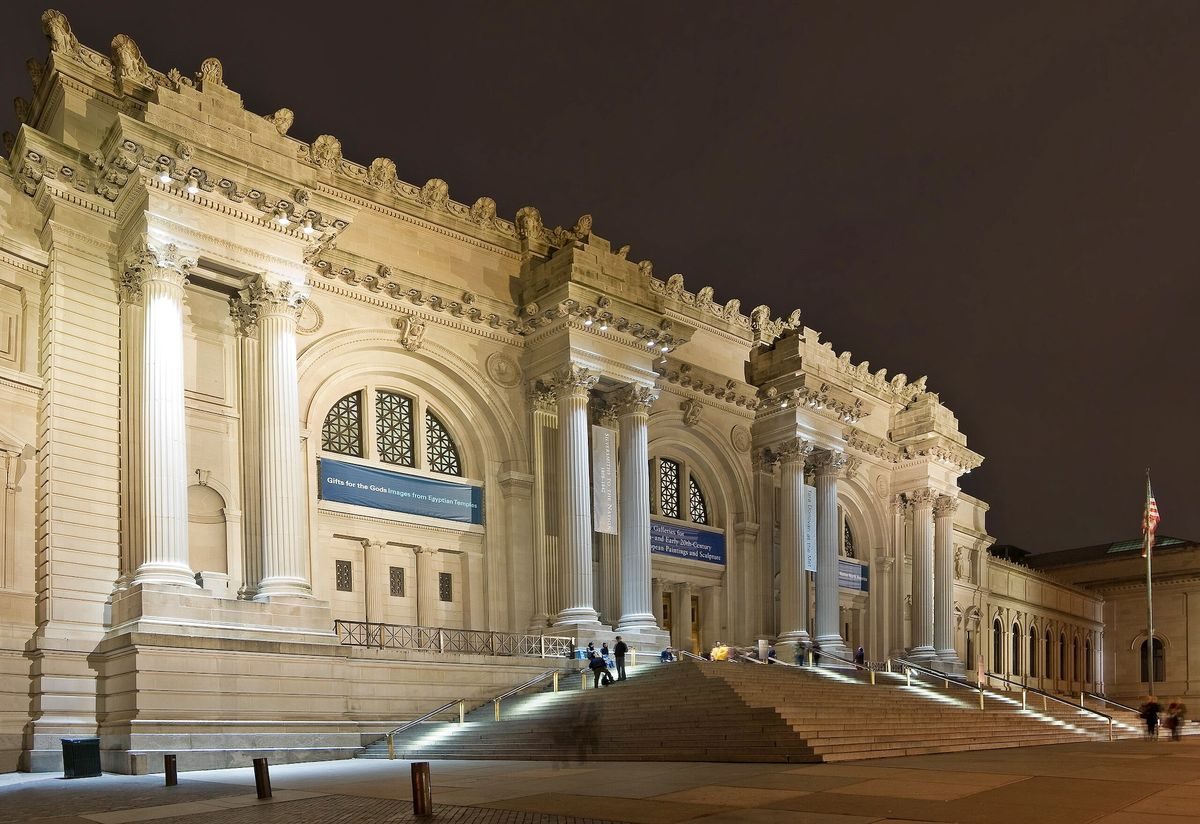
Cooling towers at the Metropolitan Museum of Art, the Cooper Hewitt Smithsonian Design Museum and the Jewish Museum have tested positive for Legionella, the bacteria that causes Legionnaires’ disease. The institutions are among more than 70 buildings on Manhattan’s Upper East Side identified on a city health department list released on Tuesday.
For European visitors, who represent a critical segment of summer tourism to New York, the outbreak highlights the hidden infrastructure risks tied to major cultural institutions. The Upper East Side is home to a dense concentration of globally recognized museums that drive significant foot traffic and local economic activity. While the museums stress their interiors are safe, the spread of bacteria through air-conditioning vents points to a persistent seasonal vulnerability for real estate and public facilities in older, heavily built cities.
Operational disruptions were limited but tangible. The Cooper Hewitt closed to the public on 13 and 14 July as a precaution. “The cleaning of the cooling towers has now been completed, and the museum reopened to the public on Wednesday 15 July,” a museum spokesperson said.
The Met and the Jewish Museum kept their doors open while executing mandatory remediation. “Along with several other buildings in the neighborhood, we were notified earlier this week by the Department of Health that testing detected a trace amount of Legionella bacteria in our cooling-tower system,” a Met spokesperson stated. The Jewish Museum similarly confirmed it disinfected its rooftop towers immediately upon receiving preliminary test results, maintaining uninterrupted operations.
The city health department has recorded 64 cases of Legionnaires’ disease connected to this cluster. Thirteen patients remain hospitalised, 40 have been discharged, and no deaths have been reported.
Legionnaires’ disease is a severe pneumonia contracted by inhaling infected water droplets, rather than through person-to-person contact. Because cooling towers vent hot air from building climate systems, they can become breeding grounds when stagnant warm water collects during New York's humid summers. City inspectors continue to sweep the neighbourhood, checking hundreds of systems to contain the outbreak.
The appearance of the Solomon R. Guggenheim Museum and other prominent cultural institutions on the city’s list of affected buildings marks a notable shift in an area usually associated with high-end real estate rather than public health hazards.