England exits 2026 World Cup in semi-final defeat to Argentina
England’s stoppage-time semi-final defeat to Argentina ends their 2026 World Cup campaign, renewing scrutiny on coach Thomas Tuchel’s tactics while highlighting the tournament’s broader commercial and political controversies.
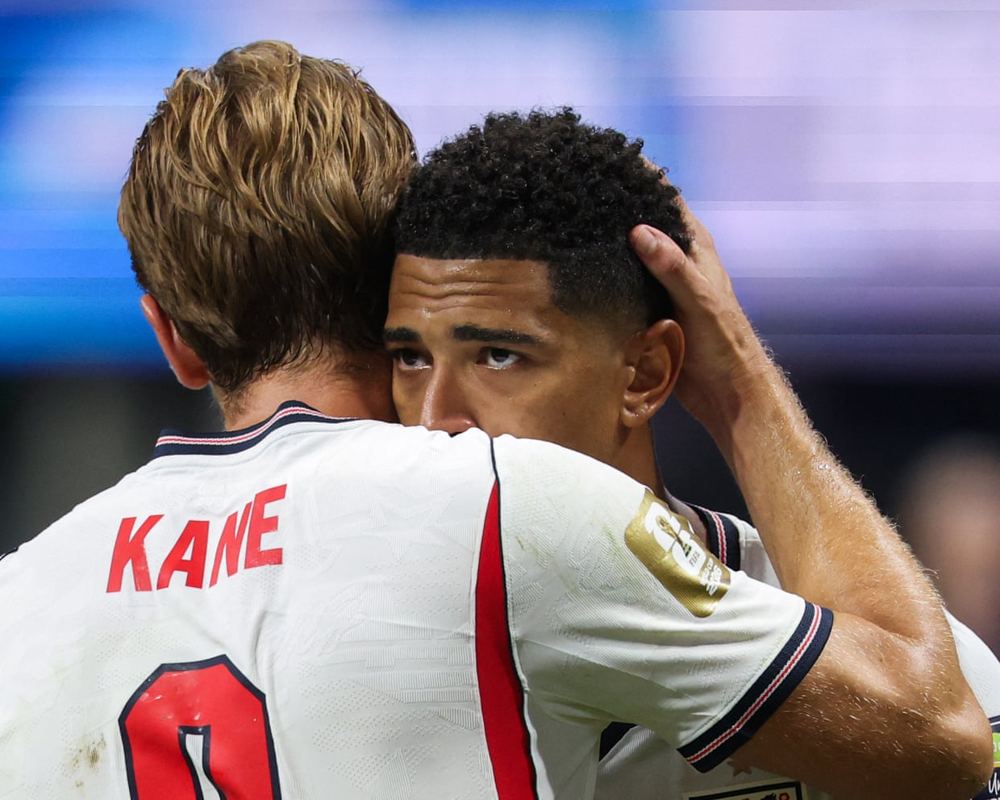
England’s men’s football team has been eliminated from the 2026 World Cup following a stoppage-time defeat to Argentina in the semi-final. Despite scoring first and putting themselves on the brink of a first World Cup final since 1966, the squad retreated defensively and conceded the lead.
German head coach Thomas Tuchel is now facing intense criticism for his team’s inability to maintain control from a winning position. This tactical collapse echoes familiar patterns, mirroring England’s semi-final exit to Croatia in 2018 and their Euro 2020 final defeat to Italy. Tuchel was brought in as a foreign change agent, making this inability to dictate play a notable disappointment.
More than 24 million viewers watched the match, initially buoyed by the prospect of victory before a sense of resignation set in. Thankfully, the subsequent post-tournament inquest has remained relatively measured, avoiding the disgraceful vilification that followed David Beckham’s red card and defeat to Argentina in 1998.
Argentina advanced to face Spain in the final, driven by the extraordinary longevity and genius of the 39-year-old Lionel Messi. However, the spectacle was partially undermined when Argentine players brandished a Falklands-related banner. This provocative and reprehensible act generated unnecessary controversy around what should have been pure acclamation for Messi’s likely final appearance on football’s greatest stage.
Governance and sporting integrity
Beyond the pitch, the broader 2026 tournament hosted in the United States has drawn sharp criticism for its hyper-commercialisation and reported visa injustices. The sporting integrity of the event has also faced unprecedented political assaults from Donald Trump, facilitated by Fifa president Gianni Infantino. These issues highlight growing tensions in the governance of global sports.
Tuchel and his deflated squad will now prepare for a third-place match against a similarly disappointed France team before departing the US. Despite the ultimate shortfall, the campaign confirmed England’s status among the top tier of footballing nations. This is a position not to be taken for granted after historical periods of spectacular underachievement.
The immediate national mood reflects a familiar melancholy, aptly captured by the cultural resonance of Oasis’s Wonderwall. As the lyric notes, “Today was gonna be the day, but they’ll never throw it back to you.” Yet, following a passionate victory over Mexico in a stormy Azteca stadium, the foundation remains for future campaigns.