ASG takes over Canberra United, ending standalone women's model
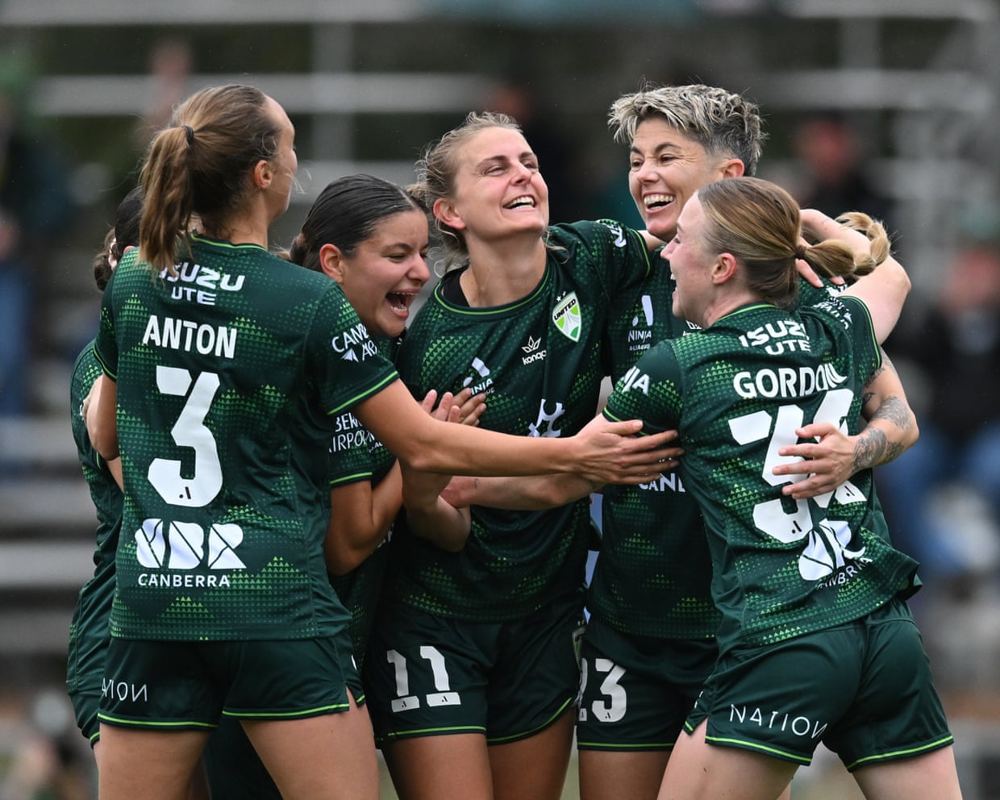
Australian Sports Group has acquired Canberra United, ending two years of state-funded limbo and signalling the end of one of global football's few remaining standalone women's club models.
Australian Sports Group (ASG) has acquired the licence of Canberra United, rescuing the two-time A-League Women champions from two years of financial uncertainty.
The deal ends a period where the club survived entirely on state backing. Capital Football, the previous owner, withdrew its funding two years ago, leaving the ACT government to prop up the team. This prolonged instability drew sharp public criticism from Canberra United captain Michelle Heyman.
For European football executives tracking the commercial viability of women's soccer, the resolution carries a clear business lesson. Canberra United was the only standalone women's team across the Australian A-Leagues. Its struggle to secure private investment without a men's side underscores the structural challenges facing independent women's franchises globally.
ASG intends to abandon the standalone model. The new owner holds an exclusive option to introduce an A-League Men side in the capital for the 2028/29 season, transitioning Canberra into an integrated professional club.
"Canberra is home to a thriving football community, a huge participant and passionate supporter base who have made Canberra United one of the most strongly supported A-League Women teams for the past 18 years," said ASG chief executive Theo Fotopoulos.
He added that the company is focused on "growth and investment, and progressing towards an integrated professional club with the introduction of an A-League men’s team in season 2028/29."
The Australian Professional Leagues (APL) framed the takeover as a validation of the market's underlying potential, while implicitly acknowledging the necessity of private capital replacing public funds. "This is an exciting next step for professional football in the ACT and highlights the growth opportunity for the A-Leagues and football in Canberra," said APL chair Stephen Conroy.
Conroy credited the "Canberra football community and the ACT government for their strong and ongoing support of Canberra United."
European top-tier clubs have largely relied on the integrated model, using men's team revenues to bankroll women's squads. ASG's decision to condition its purchase on a future men's licence suggests that even in markets with high participation rates, standalone women's teams remain a difficult sell to private investors without a pathway to a broader club ecosystem.