Former motorway executives jailed over 2018 Genoa bridge collapse
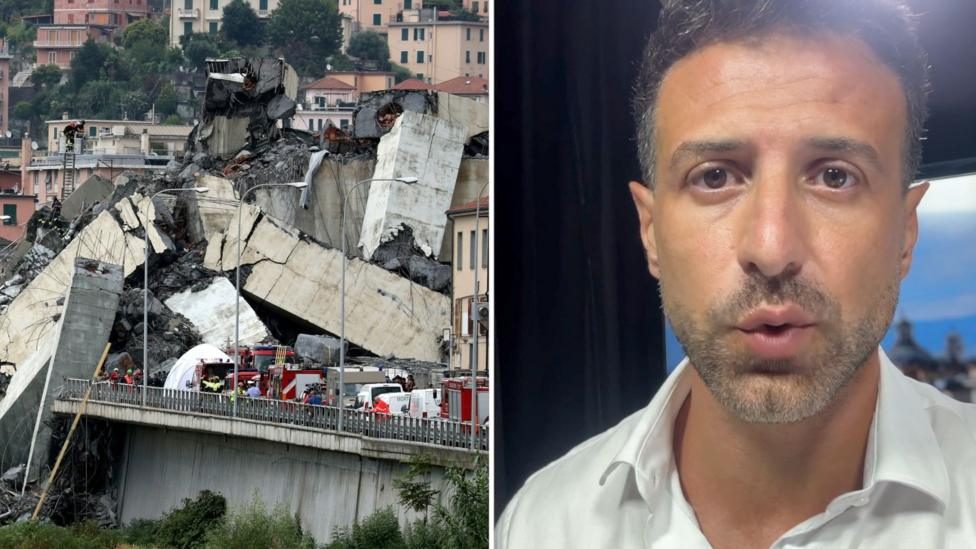
The conviction of 32 individuals, including top executives, establishes a strict precedent for corporate accountability in European infrastructure management.
An Italian court has found 32 individuals guilty in connection with the catastrophic collapse of the Morandi bridge in Genoa. Giovanni Castellucci, the former chief executive of Italy’s motorway operator, received a 12-year prison sentence for his role in the disaster. Michele Donferri Mitelli, another top motorway official, was also convicted and handed an 11-year jail term.
The ruling concludes a major criminal trial stemming directly from the August 2018 infrastructure failure. During a rainstorm at the height of the holiday season, the motorway bridge running through the city gave way. The sudden structural collapse sent cars and lorries plummeting to the ground, ultimately resulting in the deaths of 43 people.
This verdict carries profound implications for corporate governance across Europe’s broader infrastructure and construction sectors. Notably, Castellucci is already serving a six-year jail term for a separate road disaster that occurred in 2013. This cumulative sentencing demonstrates that judicial systems are increasingly willing to pursue consecutive criminal liability for executives overseeing repeated systemic failures.
For investors and companies managing public transport concessions, the outcome serves as a stark operational warning. It underscores the severe financial and personal risks now associated with the inadequate maintenance of critical transport assets. European motorway operators will inevitably face heightened regulatory scrutiny over their safety protocols and long-term capital expenditure plans.
The decision reinforces a growing legal trend where corporate leaders can no longer shield themselves from the operational consequences of aging public infrastructure. As European governments continue to reassess the viability of existing public-private partnerships, the Genoa trial sets a definitive benchmark. It establishes clear executive responsibility in the wake of fatal engineering disasters.
The trial’s conclusion marks a pivotal moment for accountability in European public works and asset management. By holding top-tier management directly responsible, the court has signaled that profit-driven operational models cannot supersede fundamental safety obligations. This legal precedent will likely influence future litigation and regulatory frameworks governing motorway networks across the continent.