Milan police raid Bulgari, Chanel in labour probe
Italian police have raided the offices of several major luxury brands over labour exploitation, exposing a systemic subcontracting crisis that threatens the reputation and valuations of Europe's most lucrative sector.
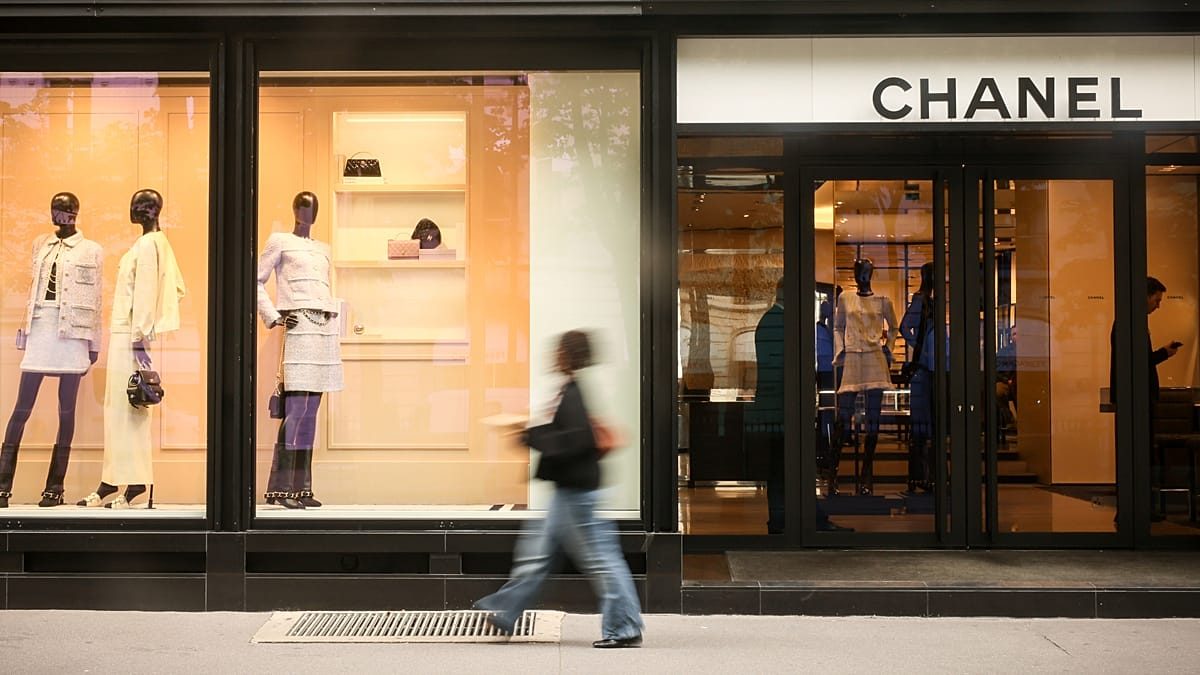
Italian police on Thursday raided the offices of Bulgari and Chanel as part of a sweeping investigation into labour exploitation within the country’s luxury supply chains. Milan prosecutors are examining whether these prominent brands relied on a complex web of subcontractors that ultimately routed work to firms employing Chinese workers under exploitative conditions.
The scope of the probe extends well beyond the two brands directly targeted in this week's raids. Prosecutor Paolo Storari confirmed to AFP that the investigation also encompasses Prada, Givenchy, Dolce & Gabbana, Brunello Cucinelli, Etro, Goyard Italie, Jacob Cohen Company, Moncler, and Stefano Ricci. The inclusion of such a broad cross-section of European fashion houses underscores a systemic problem rather than isolated corporate failures.
At the centre of the allegations is the near-ubiquitous practice of multi-tier outsourcing. Luxury groups frequently subcontract manufacturing to external suppliers, who then pass the work down through successive layers of smaller contractors. This deep fragmentation makes it exceptionally difficult for parent brands to monitor working conditions at the bottom of the chain.
For investors and executives, these raids signal a material risk to the luxury sector's most valuable asset: brand equity. European luxury houses command massive valuations precisely because consumers associate their goods with European craftsmanship, ethical standards, and exclusivity. Evidence that these products are partially assembled by exploited workers severely undermines that pricing power and threatens consumer trust across key markets.
The legal and operational consequences for the companies involved are severe and established. Loro Piana was previously placed under temporary judicial administration by Italian authorities over concerns about labour conditions at its own suppliers. That state control was only lifted after the company formally agreed to strengthen its supply chain oversight. This precedent suggests prosecutors will force the currently investigated brands into similar, externally monitored compliance frameworks.
The crackdown also highlights a growing tension between Italian law enforcement and the country's political establishment. The luxury sector is a vital pillar of the Italian economy, generating billions in exports annually. The government has previously intervened to defend the industry, with Industry Minister Adolfo Urso stating last year that the reputation of Italian brands was "under attack".
Despite this political defence, Milan prosecutors are demonstrating that they will not ignore labour violations in the pursuit of protecting commercial interests. For the broader European luxury industry, the raids serve as a stark warning that relying on opaque, multi-layered supply chains is no longer a viable or legally safe business model.