US Soccer invests $250m to dismantle pay-to-play youth model
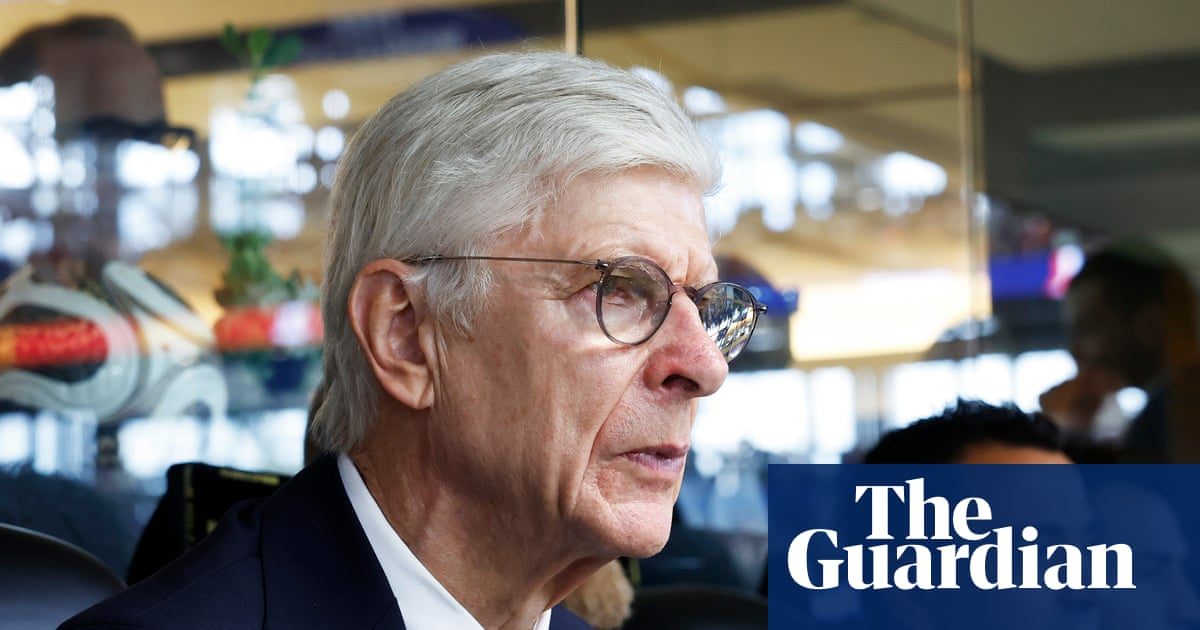
FIFA’s Arsène Wenger has endorsed US Soccer’s $250m infrastructure investment as a necessary first step to replacing the country’s expensive pay-to-play youth system with a free-to-play model capable of unlocking a 350-million-strong market.
Arsène Wenger, Fifa’s head of global football development, has praised the US Soccer Federation for opening a $250m headquarters in Fayetteville, Georgia, framing the investment as a cornerstone for overhauling the country's youth football economics.
The endorsement from Fifa underscores the strategic importance of the American market. With a population of 350 million, Wenger noted that the US offers the diversity and scale that drives the global game. “We push, with the support of our president [Gianni Infantino], a lot to develop football in the States,” Wenger said, citing the sheer quantity of potential talent.
Despite this potential, Wenger warned that infrastructure spending must be paired with structural reform. He pointed to a historical lack of alignment on technical development across America’s sprawling geography and disparate soccer ecosystem. Most notably, he criticised the pay-to-play model, where youth participation fees can cost families tens of thousands of dollars annually.
“From outside, I felt that people from a poor background had no real access to the game,” Wenger observed. Since the sport's top talent historically emerges from poorer demographics, this economic barrier fundamentally restricts the growth of the domestic player pool.
To correct this, leagues including Major League Soccer and the United Soccer League have started launching free-to-play academies for elite regional players. Dan Helfrich, US Soccer’s chief operating officer, emphasised that this requires building an entirely new infrastructure rather than subsidising the existing one. “We are not seeking to make the current system more affordable; we’re trying to create a new system that then we make highly affordable,” Helfrich said.
JT Batson, US Soccer’s chief executive, warned that dismantling the pay-to-play structure requires sustained, heavy financial commitment. “This will take time and it will be hard and you have to commit and really stick to it,” Batson said. He noted that the most successful federations globally share a common trait: they are the best-resourced, backed by coordinated government, community, and professional club investment.
Wenger cautioned that returns on these investments will not be immediate. Comparing the US effort to France’s structural overhaul, he noted it took a decade from the opening of the first French academy in 1973 to winning the European Championship in 1984. “You have to be consistent,” Wenger said, stressing that identifying future talent demands a long-term educational focus rather than short-term financial fixes.