England crash out as FA's expensive manager shortcut fails

England’s World Cup elimination by Argentina in Atlanta highlights the fundamental unsustainability of the Football Association’s strategy to outsource national team success to highly paid club managers.
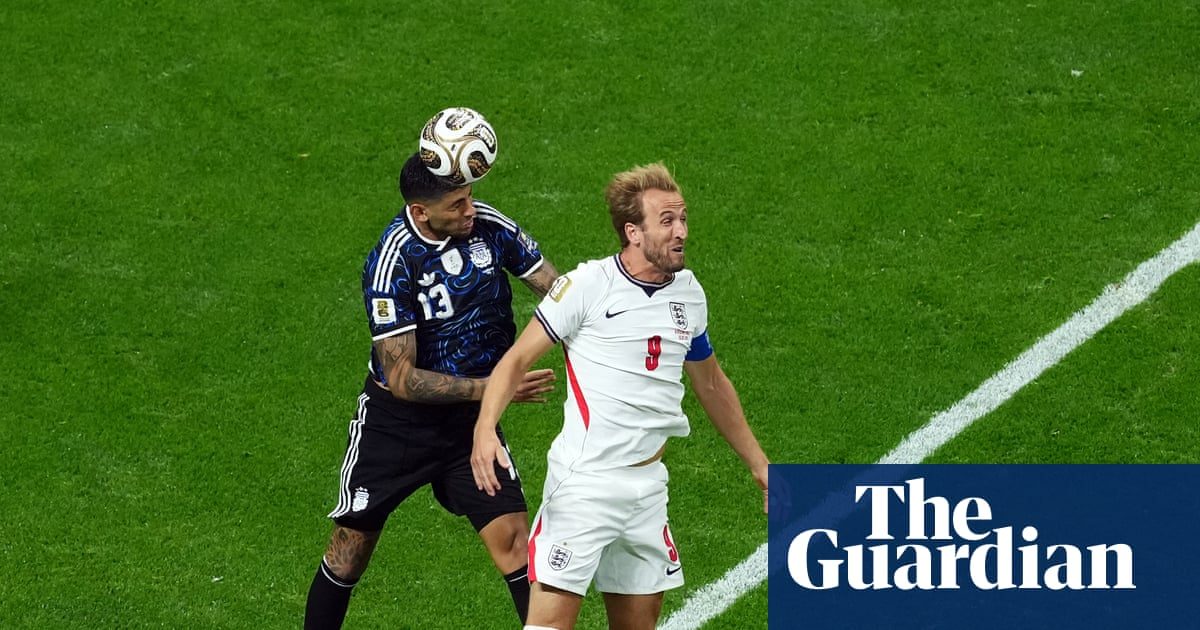
England have been eliminated from the World Cup after losing to Argentina in Atlanta, a defeat that has immediately placed manager Thomas Tuchel under intense scrutiny. After taking a 17-minute lead, the team retreated into deep defence, deploying six defenders on the pitch by the 82nd minute in a failed attempt to hold off an opponent featuring an all-time great.
Tuchel appeared gaunt post-match and admitted that “when you lose every choice you made is wrong, and every other choice you didn’t is right.” His decision to switch to a deep back five around the 72nd minute surrendered any attacking threat, replacing earlier talk of fearlessness with what became a desperate attempt to burgle a result.
This reactive tactic had narrowly worked against lesser teams like Norway and Mexico. But against Argentina, sitting back and offering a comfortable pocket of air proved fatal, exposing a team that cowered and shrank from the prospect of victory. While Tuchel undeniably mismanaged the final 20 minutes, his broader squad selection was largely a success; England beat the hosts and reached the semi-finals with energised fringe players.
However, focusing solely on the manager’s tactical errors ignores the deeper structural failures of English football’s governing institutions. The Football Association’s decision to hire an expensive, high-end international club manager on an 18-month contract was an executive shortcut. It was an attempt to game the system rather than address a deep-rooted lack of game intelligence and technical midfield craft.
This approach reflects a wider institutional culture of bodge jobs at the top. The English development system consistently fails to produce the high-end controlling midfielders required to dictate tight knockout matches, a deficit that caused similar collapses against Croatia in 2018 and Italy in 2021. Academy players are produced to fulfil briefs but lack a coherent style, standing in stark contrast to well-defined models like Spain’s.
The problem is compounded by the economic model of the Premier League. The league functions as an “international talent clearing house, rootless, acquisitive, cannibalistic,” where the key players driving the best teams are rarely homegrown. Outsourcing national team management to a highly paid foreign hire cannot reverse-engineer a fix for a haphazard development culture.
As one cinematic observation put it: “Maybe a happy ending doesn’t include a guy. Maybe it’s you, on your own, picking up the pieces and starting over.” Until England addresses its absence of a genuine domestic playing identity and stops relying on expensive imported expertise to mask hollowed-out foundations, the pattern will persist.