US Navy sued over $2.1bn unmanned vessel program
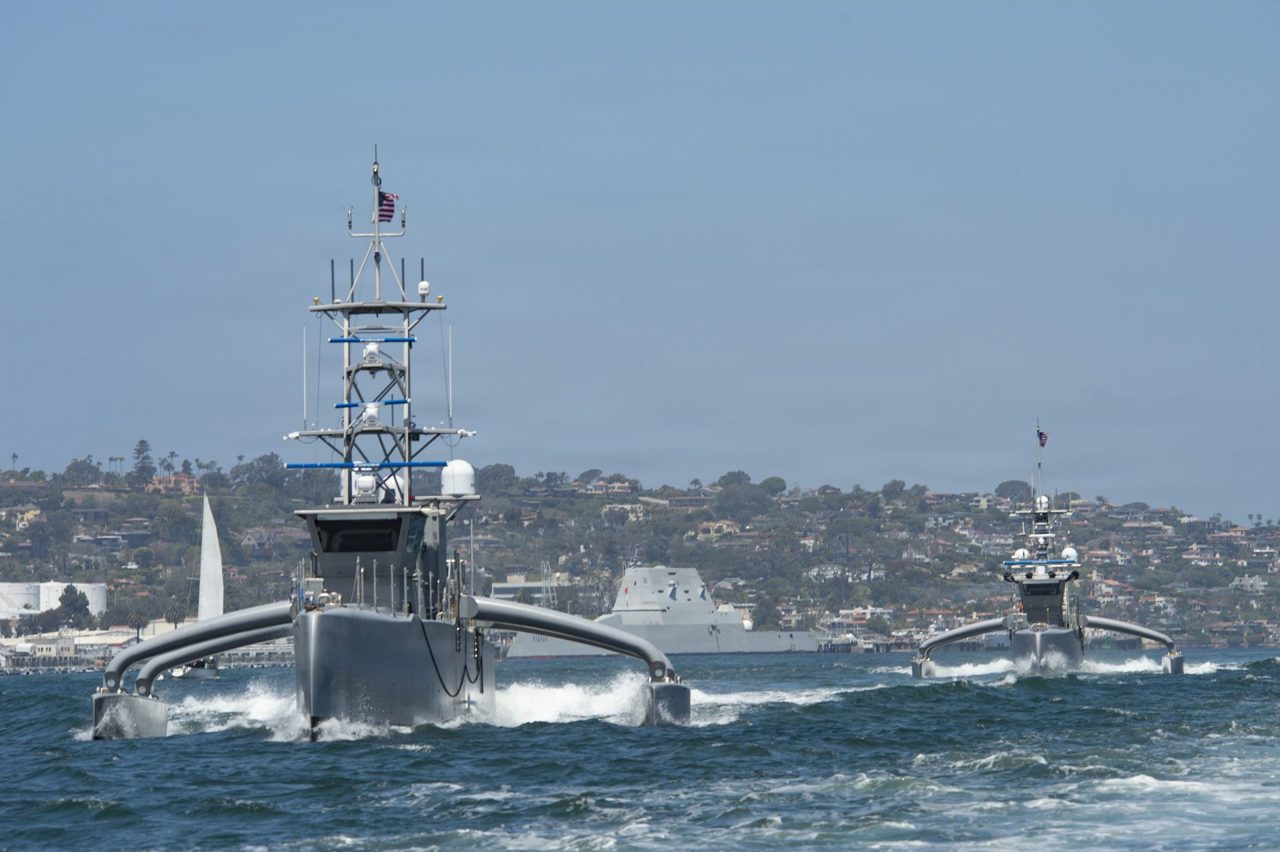
Two tech firms are legally challenging the US Navy after being dropped from a $2.1 billion unmanned vessel program, a dispute that signals the fierce competition shaping the future of transatlantic naval defence.
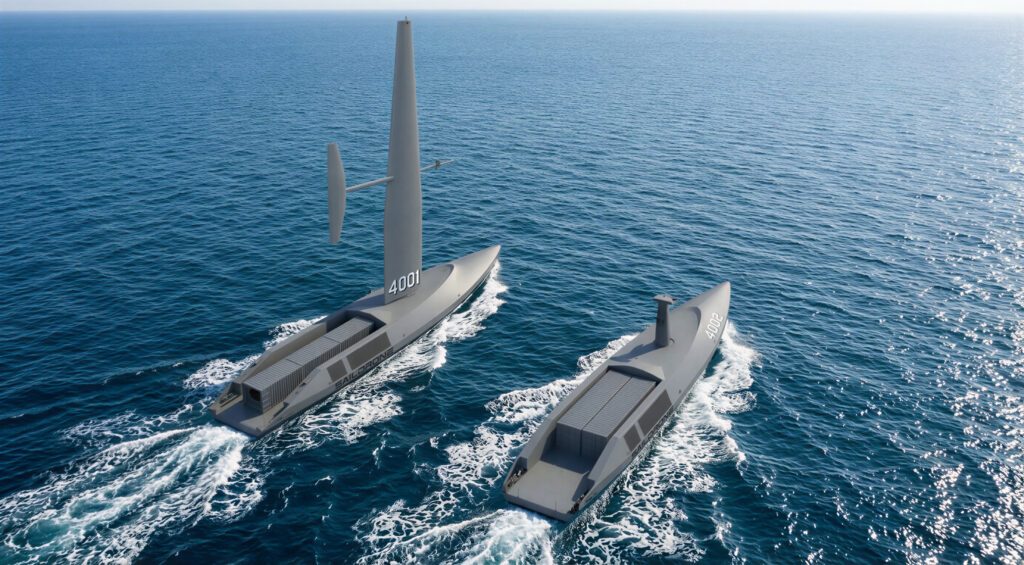
Blue Water Autonomy and Saildrone filed lawsuits in the US Court of Federal Claims on Tuesday after the Navy excluded them from its Medium Unmanned Surface Vessel program. The legal challenges argue that the service mismanaged the procurement process and failed to follow its own rules when selecting seven companies for at-sea testing in June.
Blue Water Autonomy, which had already invested in building a vessel for a prior Navy effort, accused the military of using “overly restrictive evaluation criteria, a misreading of Blue Water’s proposal, and irrational conclusions that are inconsistent with the [Request for Prototype Proposals] and statutory requirements.” Saildrone, which operates the world’s largest fleet of contractor-owned unmanned surface vessels, said it was disqualified without explanation before being handed a “fundamentally flawed evaluation.”
The disputes highlight the massive financial stakes of the US military’s push toward autonomous ships. The fiscal 2027 Navy budget calls for the procurement of 63 unmanned vessels, while President Donald Trump’s One Big Beautiful Bill Act allocates $2.1 billion specifically for medium unmanned surface vessels.
For European defence ministries and contractors, this American procurement battle serves as a critical bellwether. The transition from crewed to autonomous vessels is a shared priority across European navies facing shrinking personnel numbers and rising maritime threats. Understanding which US companies secure these contracts will shape interoperability standards and influence European purchasing decisions in the coming decade.
The scale of the American investment also affects the transatlantic defence supply chain. As Washington funnels billions into this sector, European tech firms and investors must decide whether to compete for US subcontracts, partner with the chosen American prime contractors, or focus on sovereign European alternatives.
The current litigation stems from the Navy’s shift in strategy earlier this year. In March, the service abruptly cancelled its Modular Attack Surface Craft program, which sought vessels capable of carrying large containerized payloads, in favour of the broader Medium Unmanned Surface Vessel program.
Both excluded companies are now asking the court to halt the upcoming testing phase. Saildrone noted that advancing to the sea trials imposes no cost on the government, arguing that allowing it to compete “furthers the public interest at no meaningful cost.”