UK seizes British Steel control, risking China treaty row
The UK has taken British Steel into public ownership to protect jobs, prompting Beijing to accuse London of violating a bilateral investment treaty days before a new prime minister takes office.
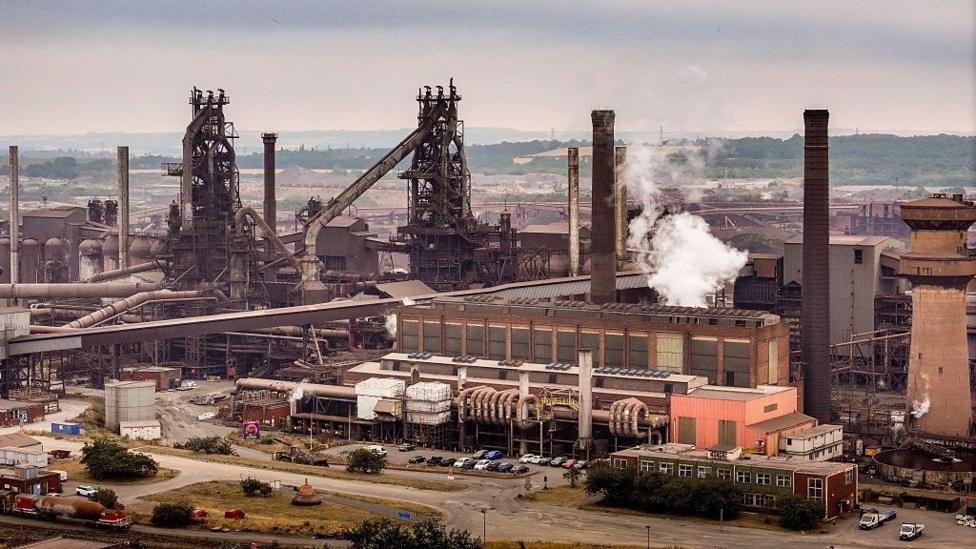
The UK government has nationalised British Steel after Parliament passed legislation allowing the state to take over the loss-making manufacturer. Business Secretary Peter Kyle said the move protects jobs and safeguards a "vital national capability", giving the state the power to decide the future of the Scunthorpe plant and keep its blast furnaces running.
China’s commerce ministry responded on Friday by stating it "firmly opposes and is strongly dissatisfied with the British government's decision". "Disregarding Jingye's significant contribution to the UK economy and society, the British side forcibly took control of the company in the name of national security," the ministry said. It argued the move "seriously infringed upon Jingye's legitimate rights and interests and severely undermined the confidence of Chinese companies investing in the UK".
The dispute centres on the China-UK Bilateral Investment Treaty. China has called on Britain to "faithfully fulfil" its obligations under the agreement, warning it will monitor developments and support Chinese firms in protecting their rights.
The Scunthorpe site has been under government operational control since last year, but ownership remained with China's Jingye Group. That structure limited the government's ability to steer the plant's strategy.
Taking full ownership resolves that bottleneck, but hands the state a heavily loss-making asset. Jingye, which is seeking compensation, previously reported the business was losing £700,000 a day.
However, the National Audit Office estimated in March that keeping the Scunthorpe steelworks running was costing the government about £1.3 million a day. Kyle acknowledged the state would need to cover these running costs "for the immediate future", though long-term state ownership is highly unlikely given the financial drain.
The nationalisation creates an immediate diplomatic test for Andy Burnham, who is set to become prime minister on Monday. He must weigh his approach to the issue against the economic benefits of ties with the world's second-largest economy. For European investors, the episode signals a willingness to invoke national security to override foreign ownership, even at the risk of treaty disputes.