SpaceX shares fall below IPO price amid debt concerns
SpaceX stock has dropped below its debut price, wiping out billions in early market value and highlighting the risks for institutional and retail investors in the world's largest IPO.
SpaceX shares closed at $131.11 on Thursday, falling below their debut price of $135. The drop marks the end of the initial euphoria that followed the mid-June listing, which had briefly pushed the tech company's valuation above $2.6tn and made Elon Musk the world's first trillionaire. The stock has since fallen to a record low valuation of $1.72tn, with Musk's personal fortune dropping to $838bn according to Forbes.
The decline has been steep, with shares falling in seven of the last eight trading sessions. The largest single-day drop occurred on 22 June, coinciding with an announcement that the company would issue billions in new debt. Short sellers have capitalised on this downward trajectory, booking $3.88bn in profits, according to Bloomberg.
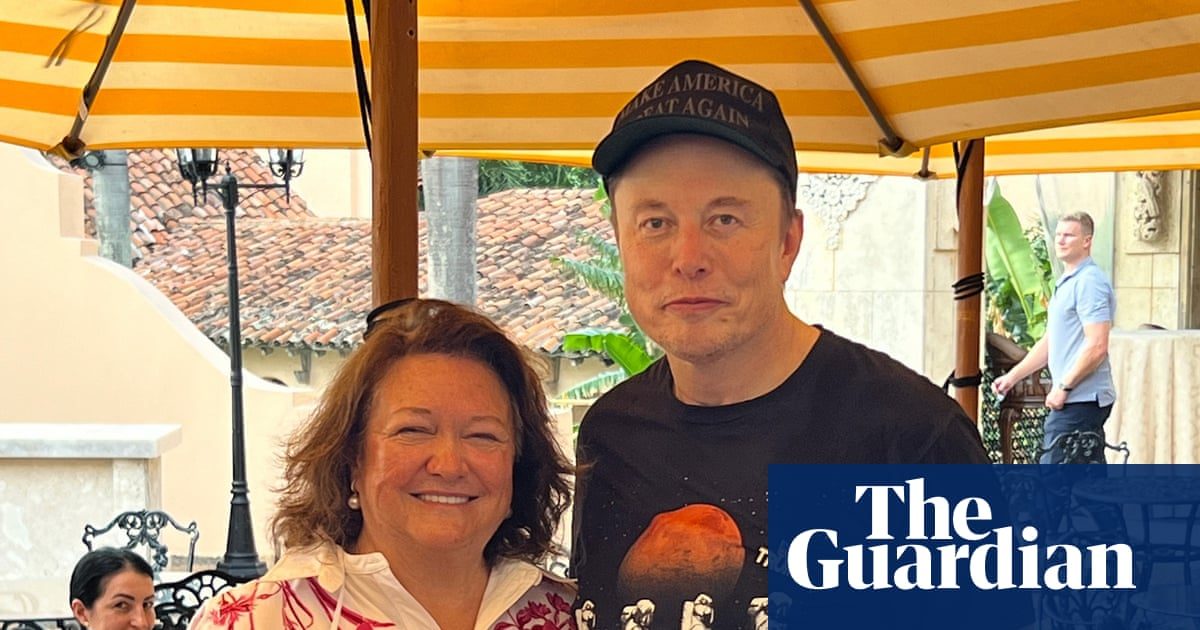
The falling price has erased significant paper gains for early backers, most notably Australian mining magnate Gina Rinehart. Her company, Hancock Prospecting, bought over $1bn worth of shares at the initial public offering. From the stock's peak, Rinehart saw a $500m paper gain wiped out, with Thursday's close implying a further $30m paper loss.
Tony Sycamore, a market analyst at IG Australia, suggested Rinehart is unlikely to be concerned by the short-term volatility. “You’re looking to invest in SpaceX for the long term, you’re backing the man,” Sycamore said. “She knows Elon personally.”
Hancock Prospecting declined to comment on its current position or whether it has traded the stock since the listing. Rinehart has previously praised Musk, stating in June that he “excels in every regard.” “Hancock favours investing in industries led by sensible, hard working, patriotic and exceptional people,” Rinehart said.
Retail investors are also feeling the pressure from the market correction. Australian broker CommSec reported a record 28,000 applications for the shares, a figure four times larger than the previous biggest local IPO. The offering was reportedly three times oversubscribed globally, meaning many hopeful buyers were locked out entirely.
Sycamore noted that while some local investors likely sold early to secure profits, others remain trapped in the red. “These types of investors, the mums and dads who supported it so willingly and so enthusiastically … obviously they would prefer to see it still trading at a profit,” he said. He cautioned that the stock requires a long horizon, adding: “It is something that is not going to pay off in a month or a year. You’re looking to be involved in this stock for a decade.”